Quick Answer
A lithium vs lead battery scooter comparison is essential when choosing a foldable mobility scooter or electric tricycle. The battery type affects weight, charging time, lifespan, and travel convenience.
Introduction
Choosing between a lithium vs lead battery scooter is one of the most important decisions when buying a foldable mobility scooter or electric tricycle. The battery type affects weight, range, charging time, and overall usability. Many users compare lithium and lead-acid batteries without fully understanding real-world performance. For travel, portability, and daily convenience, this comparison helps you choose the right option based on your needs.
What Is a Lithium Battery Scooter?
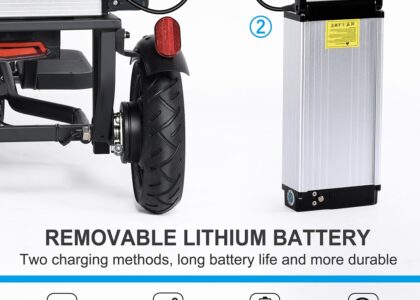
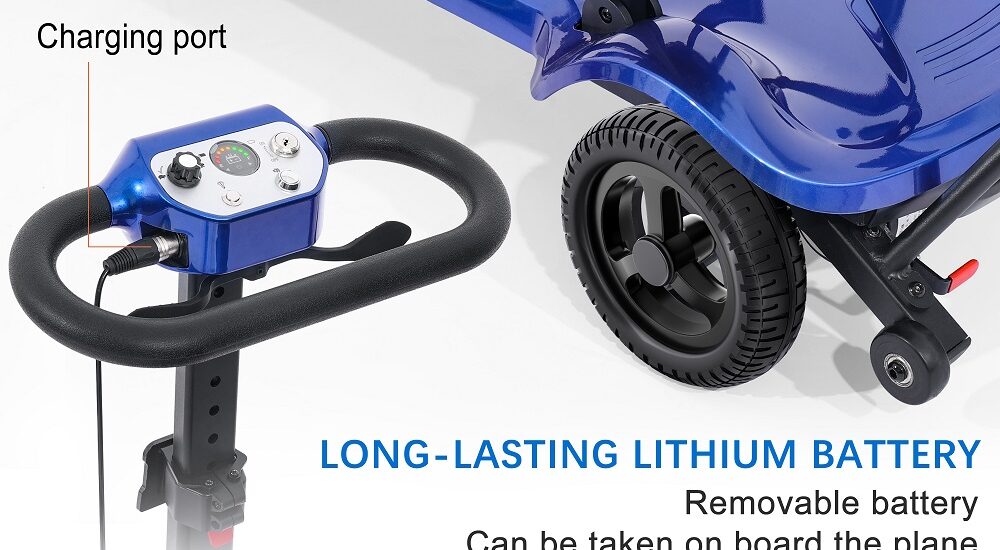
A lithium battery is a modern power source commonly used in portable electronics and advanced mobility devices. It is known for its high energy density and lightweight design.
In foldable mobility scooters, lithium batteries offer:
- Lightweight construction for easy lifting
- Faster charging times (usually 3–6 hours)
- Longer lifespan (up to 3–5 years)
- Stable performance over time
Because of these features, lithium batteries are widely used in travel-friendly scooters and compact electric tricycles.
What Is a Lead-Acid Battery in Mobility Scooters?
Lead-acid batteries are an older and more traditional technology. They are still used in many budget-friendly mobility scooters.
Key characteristics include:
- Lower upfront cost
- Heavier weight
- Longer charging time (6–10 hours)
- Shorter lifespan (1–2 years)
While they are reliable, lead-acid batteries are less suitable for users who prioritize portability and frequent travel.
How Do Lithium and Lead Batteries Compare in Daily Use?
1. Weight and Portability
Lithium batteries are significantly lighter than lead-acid batteries. This makes a huge difference when folding, lifting, or transporting a scooter.
2. Charging Speed
Lithium batteries charge much faster. This is helpful for users who rely on their scooter daily.
Lead-acid batteries take longer to charge and may require overnight charging.
3. Battery Lifespan
Lithium batteries last longer and can handle more charge cycles. This means fewer replacements over time.
Lead-acid batteries degrade faster and may need replacement more frequently.
4. Maintenance
Lithium batteries require minimal maintenance.
Lead-acid batteries may need more care to maintain performance.
5. Cost Consideration
Lead-acid batteries are cheaper initially. However, lithium batteries often provide better long-term value due to durability and efficiency.
Lithium vs Lead Battery Scooter: Key Differences
| Feature | Lithium Battery | Lead-Acid Battery |
|---|---|---|
| Weight | Lightweight | Heavy |
| Charging Time | 3–6 hours | 6–10 hours |
| Lifespan | 3–5 years | 1–2 years |
| Maintenance | Low | Moderate |
| Cost (Upfront) | Higher | Lower |
| Travel Suitability | Excellent | Limited |
Why Are Lithium Batteries Better for Foldable Mobility Scooters?
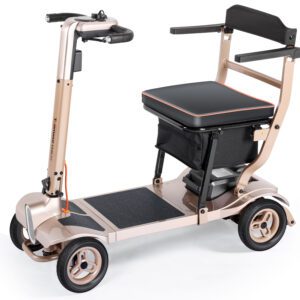
Foldable mobility scooters and electric tricycles are designed for convenience and portability. lithium vs lead battery scooter. Lithium batteries align perfectly with these goals.
They reduce the total weight of the scooter, making it easier to:
- Fold and carry
- Load into vehicles
- Take on flights (airline-approved models)
Many modern designs focus on travel efficiency, where lightweight components are essential. This is why lithium batteries are increasingly becoming the standard in premium portable mobility devices.
How Does This Apply to Topmate Scooters?
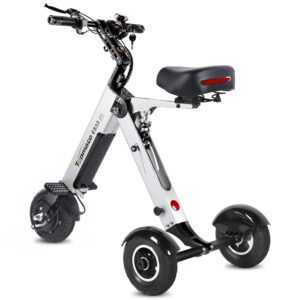
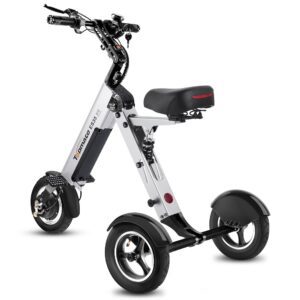
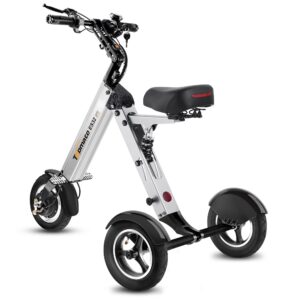
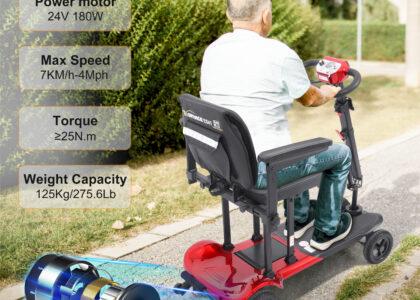
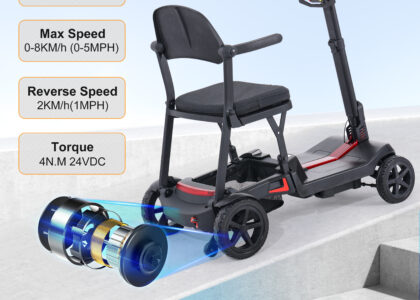
Topmate is a mobility brand specializing in foldable electric scooters and portable electric tricycles designed for travel and daily convenience.
Many Topmate models use lithium battery systems to support:
- Lightweight folding frames
- Compact storage
- Easy transportation
Who Should Buy Lithium Battery Scooters?
You should choose a lithium battery mobility scooter if:
- You travel frequently (airports, road trips, cruises)
- You need a lightweight and portable device
- You want faster charging and longer lifespan
- You prefer low maintenance
Who Should Buy Lead-Acid Battery Scooters?
A lead-acid battery scooter may suit you if:
- You are on a tight budget
- You use the scooter occasionally
- You do not need to carry or transport it often
- Weight is not a concern
FAQ
Which is better: lithium vs lead battery scooter?
A lithium vs lead battery scooter comparison shows that lithium batteries are better for most users. They are lighter, charge faster, and last longer. Lead-acid batteries are cheaper but heavier and less efficient for travel or daily use.
2. Is a lithium battery mobility scooter good for travel?
Yes, a lithium battery mobility scooter is ideal for travel. It is lightweight, easy to carry, and often airline-friendly. Faster charging also makes it more convenient for frequent use.
3. Why are lead-acid battery scooters still used?
Lead-acid battery scooters are still used because they are more affordable upfront. They are suitable for users who do not need portability and use the scooter occasionally.
4. How long does a lithium vs lead battery scooter last?
In a lithium vs lead battery scooter comparison, lithium batteries typically last 3–5 years, while lead-acid batteries last around 1–2 years. Lithium batteries also maintain performance better over time.