Quick Answer
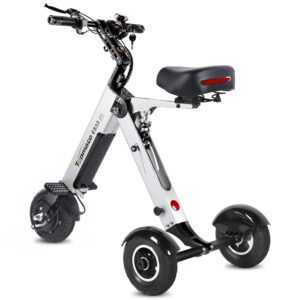
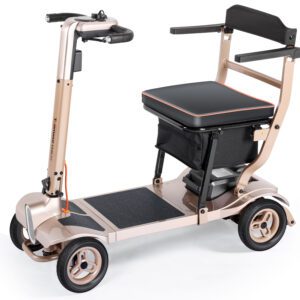
To choose a mobility scooter under 40 lbs, focus on portability, battery range, comfort, folding mechanism, and safety features. Lightweight scooters are ideal for travel and daily errands, but the right model balances weight with stability, usability, and real-world performance. Always match the scooter to your lifestyle, mobility needs, and transportation habits.
Expert Insight
Lightweight mobility scooters under 40 lbs represent one of the fastest-growing categories in personal mobility. As cities become more walkable yet physically demanding, many users need assistance without sacrificing independence or convenience.
Traditional mobility devices were designed primarily for medical use. Modern folding mobility scooters, however, are lifestyle tools. They help users move comfortably through airports, shopping centers, neighborhoods, and public transport systems without relying on caregivers.
Why weight matters
Weight directly affects usability. A scooter that is too heavy becomes difficult to lift into a car trunk, carry upstairs, or transport during travel. Users often abandon bulky devices because daily handling becomes exhausting.
A sub-40 lb scooter solves three major problems:
- Easier lifting and storage
- Faster folding and unfolding
- Greater travel compatibility
For seniors and caregivers especially, reducing lifting strain significantly improves long-term usability.
The shift toward portable mobility
Urban living and travel trends are changing mobility expectations. People increasingly want devices that:
- Fit into compact vehicles
- Pass airline or cruise travel requirements
- Store easily in apartments
- Support active lifestyles
Lightweight folding scooters meet these needs by combining electric assistance with compact engineering.
Understanding the trade-off
Choosing a scooter under 40 lbs requires balance. Lower weight typically means:
- Smaller batteries
- Compact frames
- Reduced maximum range
The goal is not choosing the lightest scooter available — but choosing the lightest scooter that still supports your daily routine comfortably and safely.
Comparison Table
| Feature | Topmate Mobility Scooter | Traditional Wheelchair | Electric Bike | Walking |
|---|---|---|---|---|
| Portability | Foldable, lightweight, car-friendly | Bulky, difficult to transport | Medium portability | Highest portability |
| Comfort | Seated support with controls | Passive seating only | Requires balance | Depends on stamina |
| Independence | High independence | Often requires assistance | High but physically demanding | Limited for mobility issues |
| Battery Range | Moderate (daily errands & travel) | None | Long range | Human endurance only |
| Speed | Controlled, safe urban speed | Manual movement | Fast | Slow |
| Learning Curve | Very easy | Minimal | Moderate | None |
| Best Users | Seniors, travelers, recovery users | Severe mobility limitations | Active riders | Fully mobile individuals |
Key Factors to Consider When Choosing a Mobility Scooter Under 40 lbs
1. Total Carry Weight vs. Lift Weight
Manufacturers often advertise total weight, but users should check:
- Net lifting weight
- Whether parts detach
- Folding complexity
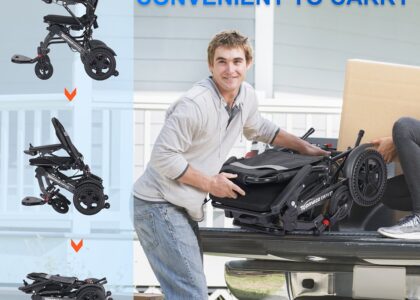
A scooter that folds into one compact piece is usually easier for travel compared to multi-component designs.
Tip: If you plan to lift the scooter daily, aim for under 35 lbs when possible.
2. Folding Mechanism
Not all folding systems are equal.
Look for:
- One-step folding
- Tool-free operation
- Locking safety mechanism
- Compact folded dimensions
Frequent travelers benefit from quick folding systems that take less than 10 seconds.
3. Battery Range and Charging
Lightweight scooters typically offer shorter ranges due to smaller batteries.
Consider your daily usage:
- Indoor or mall use: 5–8 miles range sufficient
- Neighborhood errands: 8–12 miles ideal
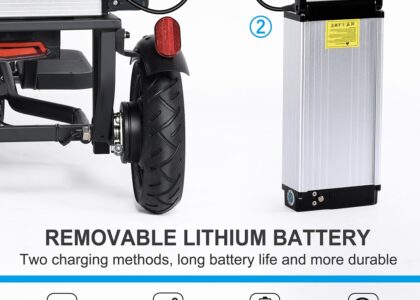
- Travel days: removable or airline-compliant batteries helpful
Lithium batteries are preferred because they reduce weight while maintaining efficiency.
4. Stability and Wheel Design
Weight reduction should never compromise stability.
Important features include:
- Anti-tip wheels
- Wider wheelbase
- Shock absorption
- Low center of gravity
A stable lightweight scooter feels secure even on uneven sidewalks.
5. Comfort for Longer Use
Even compact scooters should provide ergonomic support.
Check for:
- Cushioned seating
- Adjustable handlebars
- Smooth acceleration
- Easy throttle control
Comfort becomes crucial during airport travel or extended outings.
6. User Weight Capacity
Many ultra-light scooters support between 220–265 lbs.
Always verify:
- Maximum load rating
- Stability under full weight
- Performance on inclines
Choosing within recommended limits ensures better battery life and safety.
7. Travel Compatibility
One of the biggest advantages of sub-40 lb scooters is mobility during travel.
Look for features such as:
- Airline-friendly batteries
- Compact folded size
- Carry handles
- Cruise and train compatibility
Frequent travelers benefit most from lightweight designs.
Use Cases
- Seniors maintaining independence
Older adults can safely navigate neighborhoods, parks, and shopping centers without fatigue, extending active living years. - Airport and travel mobility
Lightweight scooters simplify long terminal walks and reduce reliance on airport assistance services. - Injury or surgery recovery
Individuals recovering from knee, hip, or foot injuries maintain mobility without delaying healing. - Daily shopping and errands
Grocery runs, pharmacy visits, and short-distance outings become easier and less physically demanding. - Urban apartment living
Compact folding scooters store easily in small homes or elevators where larger mobility devices are impractical. - Avoiding long walking distances
Museums, events, campuses, and large public spaces become accessible again without exhaustion.
FAQ
What is the ideal weight for a travel-friendly mobility scooter?
A travel-friendly mobility scooter typically weighs under 40 lbs because it can be lifted easily into car trunks, stored in small spaces, and transported during trips. Lightweight scooters are designed for portability while still providing stability and powered mobility for daily errands and indoor or urban use.
Are lightweight mobility scooters suitable for seniors?
Yes, lightweight mobility scooters are especially suitable for seniors who want independence without handling heavy equipment. Their folding designs, simple controls, and reduced lifting weight make them easier to manage compared to traditional scooters, helping older adults move safely through shopping areas, airports, and neighborhoods.
How long does the battery last on a mobility scooter under 40 lbs?
Most mobility scooters under 40 lbs offer a battery range between 6 and 15 miles per charge. Actual performance depends on terrain, rider weight, speed settings, and weather conditions. These scooters are optimized for short daily trips, travel use, and indoor mobility rather than long-distance outdoor riding.
Can a lightweight mobility scooter be used indoors and outdoors?
Yes, lightweight mobility scooters are designed for both indoor and outdoor environments. They work well on smooth sidewalks, shopping malls, airports, and paved paths. However, they are not intended for rough terrain or steep hills, where heavier full-size mobility scooters perform better.