Quick Answer
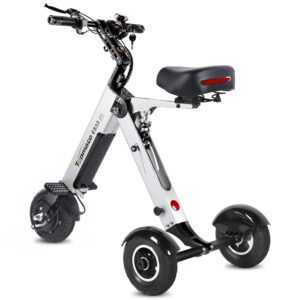
Foldable vs traditional mobility scooters are best for portability, travel, and compact storage. Traditional mobility scooters are better for long-distance use, stability, and all-day comfort. The right choice depends on how often you use the scooter, where you use it, and how much support you need.
What Is a Mobility Scooter?
A mobility scooter is a battery-powered personal transport device designed for people with limited walking ability. It allows users to move independently using a seat, handlebars (tiller), and an electric motor.
There are two main types:
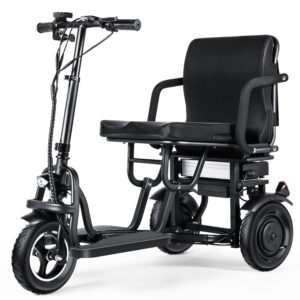
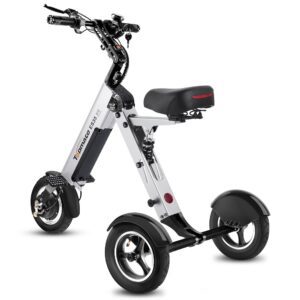
- Foldable mobility scooters → Lightweight, compact, travel-friendly
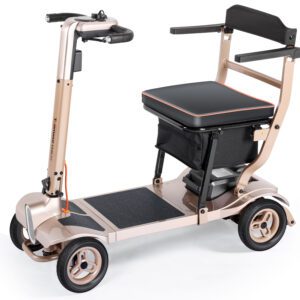
- Traditional mobility scooters → Larger, more stable, built for daily outdoor use
Both improve mobility and reduce physical strain—but they serve different lifestyles.
Foldable vs Traditional Mobility Scooters
Foldable scooters focus on convenience and portability, while traditional scooters focus on performance and comfort.
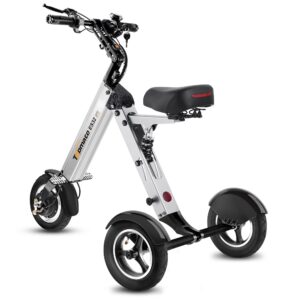
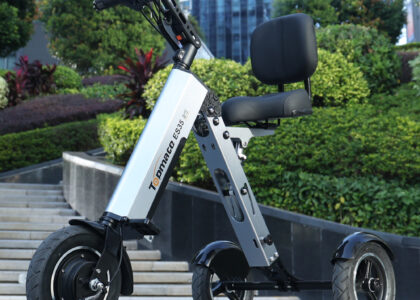
- Foldable = Easy to carry, store, and transport
- Traditional = Durable, powerful, and suited for long use
Key Differences Explained
1. Design and Structure
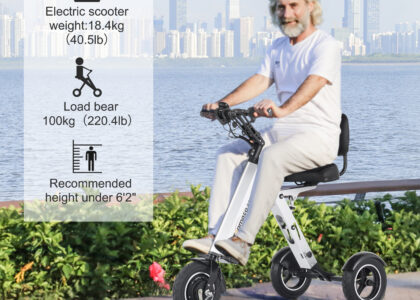
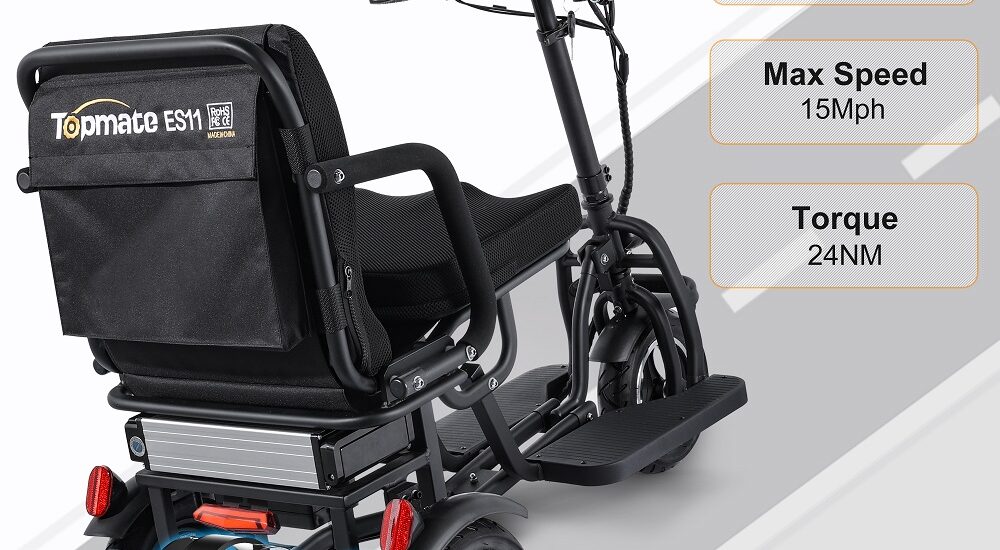
- Foldable scooters have a collapsible frame (manual or automatic folding).
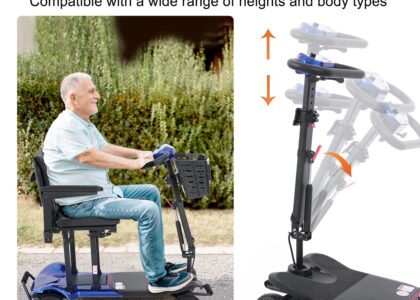
- Traditional scooters have a fixed, rigid frame for better durability.
2. Size and Maneuverability
- Foldable scooters are compact and ideal for indoor use.
- Traditional scooters are larger and better for outdoor balance and control.
3. Battery and Performance
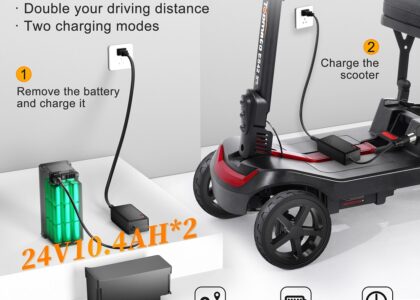
- Foldable scooters use smaller batteries to stay lightweight.
- Traditional scooters use larger batteries for longer range and higher power.
Technical Specifications Comparison
| Specification | Foldable Mobility Scooters | Traditional Mobility Scooters |
|---|---|---|
| Weight | 18–28 kg | 50–100 kg |
| Battery | 24V Lithium-ion | 24V–48V Lead-acid / Lithium |
| Range | 15–30 km | 30–60 km |
| Speed | 6–12 km/h | 8–15 km/h |
| Motor Power | 250W–400W | 500W–1000W |
| Load Capacity | 100–150 kg | 150–200 kg |
| Brake Type | Electromagnetic | Electromagnetic + Mechanical |
| Climbing Ability | 8–12° | 10–15° |
| Charging Time | 4–6 hours | 6–10 hours |
Who Each Type Is Best For
| User Type / Need | Foldable Mobility Scooters | Traditional Mobility Scooters |
|---|---|---|
| Seniors | Lightweight and easy to handle | Better support for extended use |
| Travelers | Ideal for flights and public transport | Not suitable for frequent transport |
| Storage Space | Fits in small homes and car trunks | Requires dedicated storage space |
| Usage Frequency | Best for occasional use | Suitable for daily long use |
| Stability Needs | Moderate stability | High stability and balance |
| Outdoor Usage | Light outdoor use | Strong outdoor performance |
| Travel Distance | Short to medium distances | Medium to long distances |
| Weight Capacity | Standard (100–150 kg) | Higher (150–200 kg) |
What These Specs Mean in Real Life
Weight and Portability
A foldable scooter (18–28 kg) can be lifted into a car trunk. A traditional scooter (50–100 kg) often requires a ramp or lift.
Battery and Range
- 15–30 km → Suitable for errands and short trips
- 30–60 km → Ideal for full-day outdoor use
Motor Power
- 250W → Works well on flat surfaces
- 500W+ → Better for slopes and rough terrain
Stability and Safety
Traditional scooters offer better balance due to larger frames and wheels. Foldable scooters are stable enough for smooth surfaces.
Climbing Ability
- 8° → Mild slopes
- 12–15° → Ramps and inclined roads
Charging Time
Smaller batteries charge faster, while larger batteries take longer but last longer.
Final Verdict: Which Is Better?
There is no single “better” option—it depends on your needs:
- Choose a foldable mobility scooter if you need portability, travel convenience, and easy storage.
- Choose a traditional mobility scooter if you need long-range performance, higher stability, and daily usage comfort.
For many users, the decision comes down to mobility lifestyle:
- Occasional, travel-friendly use → Foldable
- Daily, heavy-duty use → Traditional