
Quick Answer
Before buying a mobility scooter, first-time users should understand battery range, portability, weight capacity, charging requirements, and intended daily use. Choosing a scooter based on lifestyle needs rather than appearance or price helps avoid common beginner mistakes and ensures long-term comfort, safety, and reliability.
Introduction
Buying a mobility scooter for the first time can feel overwhelming because many models look similar but perform differently. Understanding battery range, portability, and daily usage needs helps buyers avoid common mistakes and choose the right scooter.
Quick Facts for First-Time Buyers
- Typical range: 10–25 km per charge
- Charging time: 4–8 hours
- Foldable scooter weight: 20–35 kg
- Best for short daily mobility and travel
Key Mobility Scooter Specifications
Battery Type: Determines travel distance and charging efficiency.
Range Per Charge: Affects how far you can travel daily.
Weight Capacity: Ensures stability and safety.
Scooter Weight: Important for transport and storage.
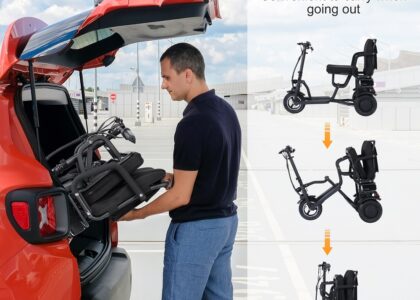
Folding Mechanism: Helps with portability and travel.
Charging Time: Impacts daily convenience.
Understanding Your Daily Mobility Needs
One of the most common mistakes first-time buyers make is choosing a scooter without considering how it will be used daily. Indoor navigation, outdoor travel, commuting distance, and storage availability all influence which scooter type works best.
Users should consider:
- Average daily distance
- Indoor vs outdoor usage
- Travel frequency
- Storage space at home or in vehicles
Why Battery Range Matters More Than Expected
Battery range determines how far a mobility scooter can travel on a single charge. Beginners often underestimate their daily travel needs, which may lead to frequent charging or limited mobility.
Lithium battery systems typically provide consistent performance, faster charging, and improved portability compared to older battery technologies.
Portability vs Stability: Finding the Right Balance
Lightweight folding scooters are ideal for travel and transportation, while larger scooters provide enhanced stability for outdoor terrain. Selecting the correct balance depends on lifestyle requirements rather than choosing the most powerful model available.
Types of Mobility Scooters Beginners Should Know
Folding or Travel Scooters — Easy transport and storage
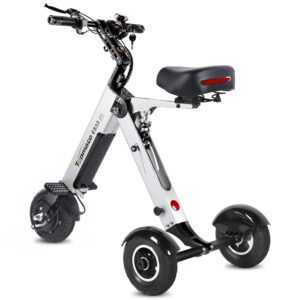
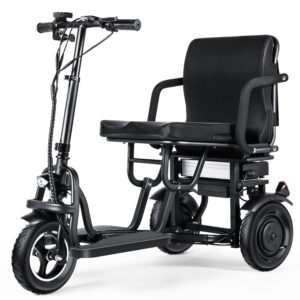
3-Wheel Scooters — Indoor maneuverability
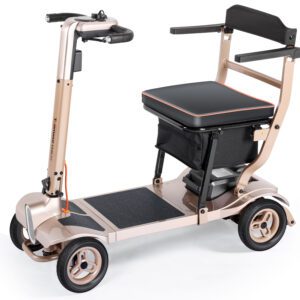
4-Wheel Scooters — Outdoor stability
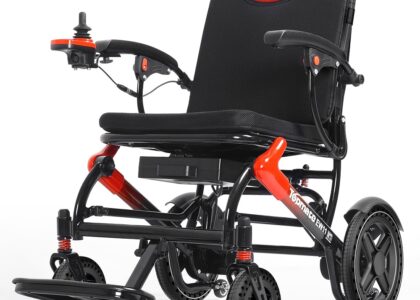
Heavy-Duty Scooters — Higher weight capacity users
Understanding scooter categories helps buyers avoid purchasing models unsuitable for their environment.
Common Mistakes First-Time Buyers Make
- Choosing based only on price
- Ignoring scooter weight and portability
- Overlooking charging access
- Not checking battery range
- Forgetting storage requirements
- Skipping comfort features like seat support
Avoiding these mistakes significantly improves long-term satisfaction.
Key Mobility Scooter Features to Look For
- Lightweight foldable design
- Long-range lithium battery
- Comfortable seating and controls
- Easy charging system
- Compact storage capability
- User-friendly operation
Mobility Scooters vs Electric Tricycles: What Buyers Should Know
| Feature | Mobility Scooter | Electric Tricycle |
|---|---|---|
| Portability | High | Medium |
| Stability | Moderate | High |
| Daily Use | Flexible | Stable |
| Storage | Easy | Moderate |
Who This Guide Helps Most
This information is especially useful for:
- First-time mobility scooter buyers
- Seniors seeking independent mobility
- Travelers needing portable solutions
- Users with limited walking endurance
- Individuals looking for compact transportation options
Product Highlights Buyers Should Evaluate
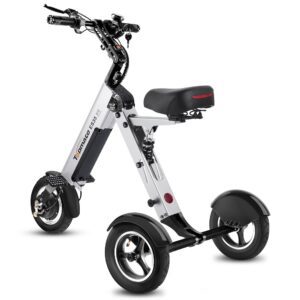
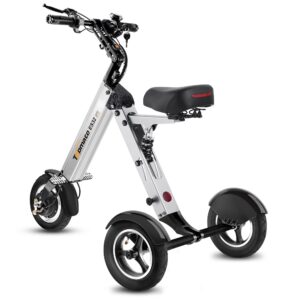
- Lightweight foldable frame for easy transport
- Lithium battery system for reliable performance
- Compact storage design for home or vehicle use
- Simple charging process suitable for daily routines
- Stable riding structure for indoor and outdoor environments
Conclusion
Understanding what people wish they knew before buying their first mobility scooter helps you make a better decision. Instead of focusing only on price or design, consider your daily routine, travel needs, and comfort.
By choosing the right scooter from the beginning, you can avoid common mistakes and enjoy a safer, more convenient mobility experience.
FAQ
What should I know before buying my first mobility scooter?
You should consider battery range, portability, terrain, and daily usage needs before making a decision.
Is a lightweight mobility scooter better for beginners?
Yes, lightweight scooters are easier to handle, store, and transport.
How important is battery range?
Battery range is very important, especially for long-distance travel.
Should I choose a scooter or tricycle?
Scooters offer flexibility, while tricycles provide better stability.

-420x300.jpg)