Quick Answer
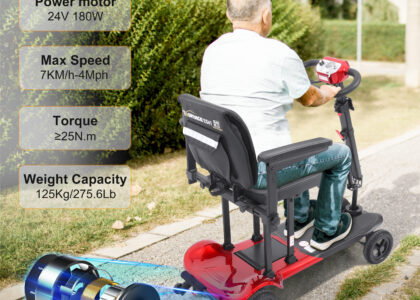
Most foldable mobility scooters support between 220 and 350 pounds (100–160 kg), depending on the model and design. Lightweight travel scooters typically have weight capacities around 220–265 pounds, while larger foldable scooters may support 300–350 pounds or more. To ensure safety, stability, battery efficiency, and long-term durability, users should choose a scooter with a weight capacity that comfortably exceeds their body weight plus any bags or accessories they plan to carry.
Introduction
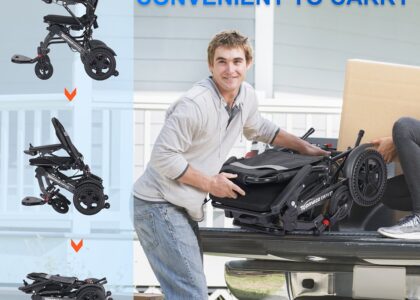
Foldable mobility scooters have become increasingly popular because they offer a practical combination of mobility assistance, portability, and convenience. Seniors, travelers, and caregivers often prefer them because they are easier to transport and store than traditional scooters. Whether a particular scooter will fit in a car trunk, however, depends on its folded dimensions and the vehicle’s available cargo space.
One of the most important questions buyers ask is: How much weight can a foldable mobility scooter support?
What Is the Typical Weight Capacity of a Foldable Mobility Scooter?
Most foldable mobility scooters fall into three categories:
| Scooter Type | Typical Weight Capacity |
|---|---|
| Ultra-Light Foldable Scooters | 220–265 lbs (100–120 kg) |
| Standard Foldable Scooters | 265–300 lbs (120–136 kg) |
| Heavy-Duty Foldable Scooters | 300–350+ lbs (136–160+ kg) |
The exact capacity depends on:
- Frame construction
- Motor power
- Wheel size
- Suspension system
- Battery configuration
- Overall scooter design
A higher weight limit generally indicates a stronger frame and drivetrain designed to handle additional load.
Why Do Mobility Scooters Have Weight Limits?
Weight limits are established to ensure safe operation.
Manufacturers test scooters under controlled conditions to determine the maximum load that the frame, motor, brakes, and batteries can safely handle.
The weight rating helps protect:
- Rider safety
- Scooter stability
- Braking performance
- Motor reliability
- Battery efficiency
- Structural durability
Ignoring these limits can increase wear and may create safety risks during daily use.
Does the Weight Capacity Include Luggage and Accessories?
Yes.
The stated weight capacity usually includes:
- Rider weight
- Bags
- Shopping items
- Oxygen tanks
- Mobility aids
- Mounted accessories
For example:
If a scooter has a 300-pound capacity and the rider weighs 280 pounds, carrying 30 pounds of groceries would exceed the manufacturer’s recommended limit.
Many buyers overlook this detail when comparing models.
What Happens If You Exceed the Weight Limit?
Using a scooter beyond its rated capacity can create several problems.
Reduced Battery Range
Heavier loads require more energy.
As a result, users may notice:
- Faster battery drain
- Shorter travel distances
- More frequent charging
Slower Performance
An overloaded scooter may:
- Accelerate more slowly
- Climb hills less effectively
- Struggle on uneven terrain
Increased Wear and Tear
Excess weight places additional stress on:
- Motors
- Tires
- Brakes
- Batteries
- Folding mechanisms
Over time, this can shorten the scooter’s lifespan.
Reduced Stability
Weight beyond the recommended limit can affect balance, particularly when:
- Turning sharply
- Traveling on slopes
- Crossing uneven surfaces
This may increase tipping risk.
Can a Foldable Mobility Scooter Support a 300-Pound Rider?
Yes, many foldable scooters can support a 300-pound rider.
However, buyers should verify the manufacturer’s specifications carefully.
A scooter rated for exactly 300 pounds may technically support the rider, but it leaves little room for:
- Personal belongings
- Daily shopping
- Travel bags
- Medical equipment
Many mobility experts recommend choosing a scooter with at least 10–20% more capacity than your expected load.
For a 300-pound rider, a scooter rated for 330–350 pounds often provides a better safety margin.
How Does Rider Weight Affect Battery Range?
This is one of the most overlooked factors when buying a mobility scooter.
Manufacturers often test battery range under ideal conditions.
Real-world factors include:
- Rider weight
- Terrain
- Temperature
- Tire condition
- Wind resistance
- Driving habits
Example
A scooter advertised with a 15-mile range may achieve:
- 15 miles with a lighter rider on flat surfaces
- 10–12 miles with a heavier rider
- Even less on hills or rough terrain
Therefore, heavier users should pay close attention to battery specifications rather than relying solely on advertised range estimates.
Are Foldable Scooters Suitable for Heavier Users?
In many cases, yes.
Today’s foldable mobility scooters are stronger than earlier generations and often feature:
- Reinforced frames
- More efficient motors
- Improved batteries
- Better suspension systems
However, heavier users should prioritize:
Frame Strength
A reinforced frame improves durability and safety.
Seat Comfort
Larger seats can improve comfort during longer rides.
Motor Power
More powerful motors help maintain performance under heavier loads.
Tire Design
Wider tires often improve stability.
Foldable vs Traditional Mobility Scooters: Weight Capacity Comparison
| Feature | Foldable Mobility Scooter | Traditional Mobility Scooter |
|---|---|---|
| Weight Capacity | 220–350 lbs | 300–500+ lbs |
| Portability | Excellent | Limited |
| Travel Convenience | Excellent | Moderate |
| Storage Requirements | Minimal | Larger Storage Space |
| Vehicle Transport | Easy | More Difficult |
| Heavy-Duty Options | Limited | More Common |
Traditional mobility scooters generally offer higher weight capacities, but foldable models excel in portability and travel convenience.
How Do Popular Travel Scooters Compare?
Travel-oriented foldable scooters are designed primarily for convenience, portability, and easy storage.
Examples include:
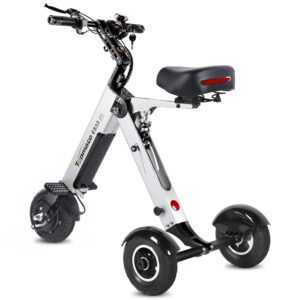
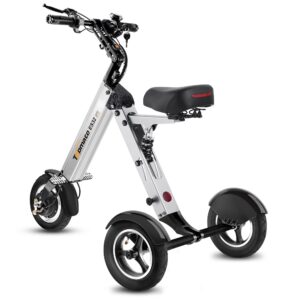
TopMate ES15
The TopMate ES15 is frequently chosen by travelers who need:
- Lightweight transport
- Compact folding
- Easy vehicle loading
- Short daily mobility trips
Its design focuses on portability rather than heavy-duty capacity.
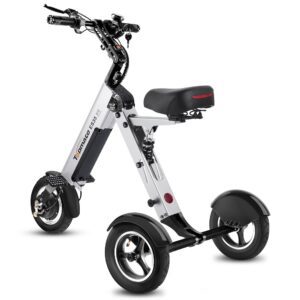
TopMate ES35
The TopMate ES35 offers a balance between:
- Everyday mobility
- Foldable convenience
- Practical travel use
Many users consider it suitable for shopping, airports, cruise terminals, and recreational travel.
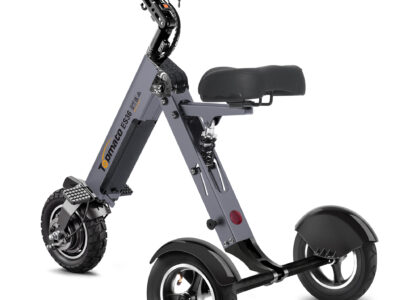
TopMate ES36
The TopMate ES36 is often considered by users seeking:
- Longer travel distances
- Comfortable daily mobility
- Compact storage
- Enhanced portability
As with any scooter, buyers should verify current manufacturer specifications before purchasing.
How to Choose the Right Weight Capacity
Step 1: Calculate Total Load
Include:
- Body weight
- Bags
- Groceries
- Medical equipment
- Accessories
Step 2: Add a Safety Buffer
Experts commonly recommend choosing a scooter that exceeds your expected load by at least 10–20%.
For example:
| Total Expected Load | Recommended Capacity |
|---|---|
| 220 lbs | 265 lbs or higher |
| 250 lbs | 300 lbs or higher |
| 300 lbs | 350 lbs or higher |
Step 3: Consider Terrain
If you regularly travel on:
- Hills
- Gravel
- Grass
- Uneven sidewalks
A higher-capacity scooter may perform better.
Step 4: Think About Future Needs
Mobility needs can change over time.
Choosing slightly more capacity than currently required may provide better long-term value.
Who Should Consider a Foldable Mobility Scooter?
Foldable mobility scooters are particularly suitable for:
Seniors
Users who need assistance for shopping, appointments, and daily errands.
Travelers
Travelers: People who frequently travel by car, RV, or other modes of transportation may benefit from a foldable scooter that is easy to pack and store. When traveling by car, understanding how to transport a mobility scooter safely can also help with loading, storage, and securing the scooter during a journey.
Caregivers
Families looking for a portable mobility solution that is easy to transport.
RV Owners
Travelers with limited storage space who need mobility assistance on the road.
Urban Residents
People living in apartments or homes with limited storage areas.
Common Mistakes Buyers Make
Choosing the Lightest Scooter Without Checking Capacity
A lighter scooter may be easier to transport but may not provide adequate support.
Ignoring Cargo Weight
Many buyers calculate only body weight and forget about bags and accessories.
Assuming All Foldable Scooters Are the Same
Weight capacities vary significantly between manufacturers and models.
Focusing Only on Weight Limit
Battery range, comfort, and stability are equally important considerations.
Benefits of Choosing the Correct Weight Capacity
Selecting the right weight capacity can provide:
- Better safety
- Improved comfort
- Longer battery range
- More reliable performance
- Reduced maintenance
- Longer scooter lifespan
A properly matched scooter typically delivers a more enjoyable ownership experience.
Conclusion
So, how much weight can a foldable mobility scooter support?
Most foldable mobility scooters are designed to support 220 to 350 pounds, although some specialized models may exceed that range. The ideal scooter should comfortably handle your body weight, luggage, and daily essentials while maintaining stability and battery performance.
When choosing a foldable mobility scooter, focus on more than just portability. Weight capacity directly affects safety, comfort, range, and long-term durability. Whether you’re a senior seeking everyday mobility, a caregiver helping a loved one, or a traveler considering portable options like the TopMate ES15, ES35, or ES36, selecting the appropriate capacity is one of the most important purchasing decisions you can make.
FAQ
What is the typical weight capacity of a foldable mobility scooter?
Most foldable mobility scooters support between 220 and 350 pounds. The exact capacity depends on the scooter’s frame design, motor power, and intended use.
Does rider weight affect mobility scooter battery range?
Yes. Heavier riders generally reduce battery range because the motor must work harder, which increases energy consumption and may require more frequent charging.
Can I carry groceries or luggage on a foldable mobility scooter?
Yes, but the combined weight of the rider, groceries, luggage, and accessories must remain within the scooter’s maximum weight capacity for safe operation.
What happens if a mobility scooter exceeds its weight limit?
Exceeding the weight limit can reduce stability, shorten battery life, increase wear on components, and potentially create safety risks during operation.