Quick Answer
A mobility scooter battery may need replacement when it consistently loses range, no longer holds a charge, takes unusually long to recharge, causes noticeable power loss, or shows physical damage. However, a shorter range does not automatically mean the battery has failed. A worn charger, loose connection, cold weather, hills, heavy loads, or tire problems can also reduce performance.
How Do You Know When a Mobility Scooter Battery Needs Replacing?
The clearest sign is a persistent drop in battery performance under similar riding conditions.
For example, suppose a scooter used to complete a regular grocery trip comfortably after a full charge. If the same route now leaves the battery nearly empty, even though the rider, terrain, and riding habits have not changed significantly, the battery may have lost capacity.
8 Signs Your Mobility Scooter Battery May Be Worn Out
1. The Scooter Travels Much Less on a Full Charge
A noticeable reduction in range is usually the most useful warning sign.
If the scooter once handled several regular errands on one charge but now needs to be recharged after a much shorter trip, the battery may no longer have the same usable capacity.
2. The Battery Does Not Hold a Charge
A healthy battery should retain enough energy to provide useful riding time after completing its normal charging cycle.
A worn battery may appear fully charged but lose its charge unusually quickly once the scooter is moving.
For instance, a person may charge the scooter before leaving home, see a full battery indication, and then notice that the gauge drops rapidly during a short trip. If this happens repeatedly, rather than just once, battery capacity may have deteriorated.
3. The Battery Takes Much Longer to Charge
A change in charging time can be another warning sign.
If the scooter normally completes its charging cycle within the manufacturer’s expected timeframe but suddenly takes substantially longer, investigate before assuming the battery is defective.
Possible causes include:
- An aging battery
- A faulty charger
- A damaged charging cable
- A loose connection
- A dirty charging port
- Very low battery temperature
- A battery that has been deeply discharged
The important point is change from the scooter’s normal charging behavior. There is no single charging time that applies to every mobility scooter.
If the charger itself is damaged or behaving abnormally, replacing the charger may solve the problem without replacing the battery.
4. The Battery Gauge Drops Very Quickly
A battery gauge that falls unusually fast can indicate declining battery capacity.
For example, the indicator might show a full charge when leaving home but fall to half after a relatively short distance. If the same pattern occurs repeatedly on similar routes, it is worth investigating.
Do not rely on the gauge alone, though. Battery indicators are estimates rather than laboratory-grade measurements, and some gauges can behave differently under load.
5. The Scooter Becomes Weak on Hills
Does the scooter now struggle on a slope that it previously handled without difficulty?
A battery that has lost capacity or cannot deliver sufficient power under load may cause noticeable performance changes when the motor needs more energy.
You might notice:
- Slower climbing
- More noticeable speed reduction
- Reduced acceleration
- The scooter stopping on steeper sections
- A much faster battery-gauge drop while climbing
Terrain matters, however. A route with a steeper hill, wet grass, loose gravel, or additional cargo can make a healthy battery appear weaker than usual.
If performance has changed on the same route under similar conditions, the battery should be checked.
6. Acceleration Has Become Noticeably Slower
Battery deterioration can sometimes be felt before it becomes obvious from the range.
A scooter that previously accelerated smoothly may begin to feel sluggish when starting from a stop.
This is particularly noticeable when:
- Starting on an incline
- Carrying additional weight
- Making frequent stops
- Moving between indoor and outdoor surfaces
Slow acceleration is not proof of battery failure. Motor, controller, brake, tire, and electrical connection problems can create similar symptoms.
That is why persistent performance changes are better treated as a reason for inspection rather than an automatic reason to buy a new battery.
7. The Scooter Shuts Down Unexpectedly
Unexpected power loss is a symptom that should not be ignored.
If the scooter stops even though the battery indicator still shows charge remaining, possible causes include:
- Battery voltage dropping under load
- A loose battery connection
- Damaged wiring
- Controller problems
- Battery-management-system faults
- An aging or damaged battery
A technician can help determine which component is responsible.
If the scooter repeatedly loses power during normal use, avoid relying on it for longer journeys until the problem has been identified.
8. The Battery Shows Physical Damage
Physical damage is more important than ordinary battery aging.
Stop using the battery and follow the manufacturer’s safety instructions if you notice:
- Swelling
- Cracks
- Leakage
- Burn marks
- A damaged casing
- A strong unusual odor
- Excessive heat during charging
Do not attempt to open or repair a damaged battery yourself.
For lithium batteries in particular, unusual heat, swelling, smoke, or other signs of damage should be treated seriously. Disconnect charging if it is safe to do so and seek appropriate technical assistance.
Does an Older Battery Always Need to Be Replaced?
No.
Battery age is useful context, but it is not a reliable replacement deadline by itself.
Some batteries may remain usable for several years, while others lose capacity sooner because of frequent use, deep discharge, poor storage, high temperatures, or other conditions.
A commonly quoted lifespan of roughly 2–5 years can be useful as a general planning range, but it should not be treated as a guarantee.
A better question is:
Is the battery still providing the range and performance I need for my normal trips?
A four-year-old battery that still performs consistently may not require immediate replacement. Conversely, a newer battery showing severe range loss or physical damage may need attention much sooner.
Before Replacing the Battery, Check These Things
Battery replacement can be expensive and inconvenient, so rule out simpler causes first.
Check the Charger
Make sure you are using the charger specified or approved for the scooter.
Look for damaged cables, unusual indicator behavior, loose connections, or a charger that no longer appears to complete its normal charging cycle.
Check the Charging Connection
A loose or dirty connection can interfere with charging.
Inspect the charging port and connector according to the manufacturer’s instructions. Do not force a connector into place or modify the charging system.
Consider Temperature
Cold weather can temporarily reduce battery performance, particularly for lithium-ion batteries. Very high temperatures can also affect battery health.
If the scooter performs normally again when used under more moderate conditions, the problem may not be permanent battery failure.
Think About the Route
A battery can appear to have “lost range” when the rider’s routine has changed.
A new route involving hills, grass, gravel, frequent stops, or heavier loads can consume significantly more energy than a flat pavement route.
Check Tire Condition
Underinflated or damaged tires increase rolling resistance and can increase energy consumption.
If your scooter uses pneumatic tires, maintain the pressure specified by the manufacturer.
A Simple Real-World Battery Check
You do not necessarily need specialist equipment to notice declining battery performance.
Try comparing two or three similar journeys.
For example, a person who regularly travels from an apartment to a nearby shopping center could record:
- Starting battery level
- Distance traveled
- Terrain
- Approximate riding conditions
- Battery level when returning
- Charging time afterward
If the scooter previously completed the trip comfortably but now uses substantially more battery under similar conditions, that is useful evidence.
This approach is more meaningful than judging the battery based on a single trip.
When Should You Replace the Battery Instead of the Charger?
This is an important distinction.
If the battery charges normally but the scooter’s range has gradually declined, battery aging is more likely.
If the scooter suddenly stops charging correctly, check the charger and charging connection before ordering a replacement battery.
A professional inspection is especially worthwhile when:
- The battery is relatively new
- Charging behavior changed suddenly
- The scooter shuts down unexpectedly
- The battery indicator behaves strangely
- There is visible wiring or connector damage
- You are unsure which battery specification is required
Replacing the wrong component can waste money without solving the underlying problem.
How Long Can You Keep Using an Aging Battery?
There is no universal mileage or age at which every battery becomes unusable.
The practical limit is often determined by whether the scooter can still complete the journeys you depend on.
Consider someone who mainly uses a scooter inside a retirement community. A modest reduction in range may have little practical impact.
Someone who regularly travels to shops, appointments, parks, or transportation hubs may notice the same reduction much sooner because the scooter needs to cover longer distances between charges.
In other words, battery replacement should be based on performance and reliability, not age alone.
How to Get More Life From Your Next Battery
Once you install a replacement, good habits can help protect its useful life.
- Use the manufacturer-approved charger.
- Follow the battery’s recommended charging routine.
- Avoid storing the battery completely discharged.
- Follow the manufacturer’s storage instructions during long periods of non-use.
- Keep charging equipment and connections in good condition.
- Avoid extreme temperatures when charging or storing the battery.
- Check the scooter periodically rather than waiting for a complete failure.
- Do not use a visibly damaged battery.
What If You Need a New Battery for a Foldable Scooter?
For a foldable mobility scooter, battery replacement involves more than simply finding a battery with a similar size.
Check the manufacturer’s specifications for:
- Battery chemistry
- Voltage
- Capacity
- Connector type
- Physical dimensions
- Approved charger
- Battery-management requirements
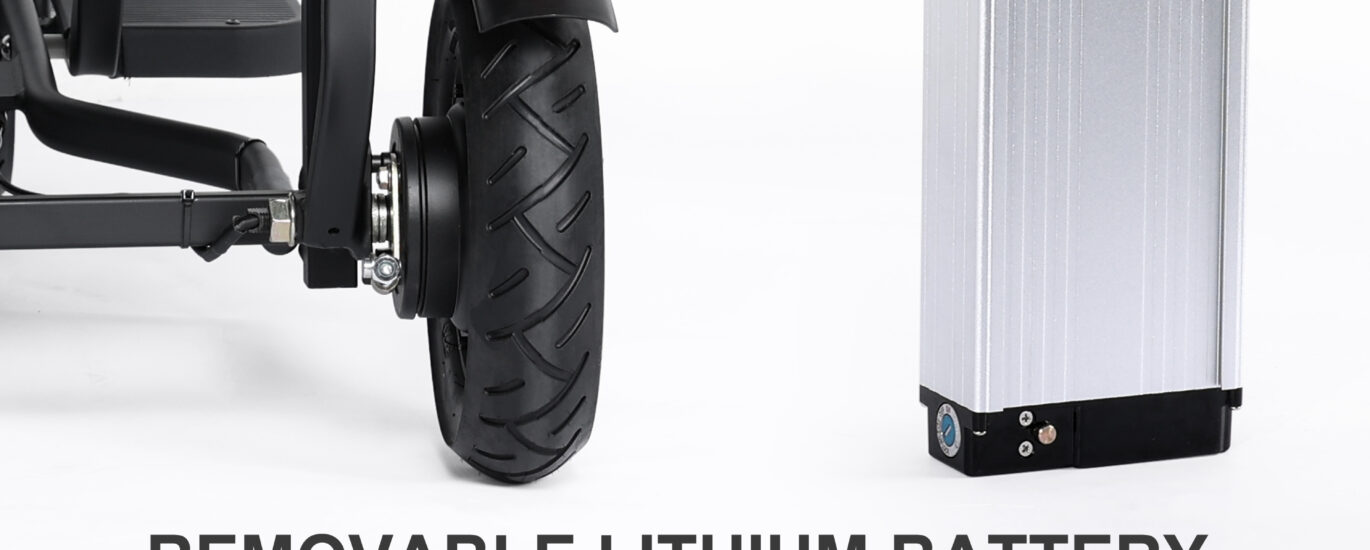
- Whether the battery is removable
Do not assume that a battery will work simply because its voltage appears similar.
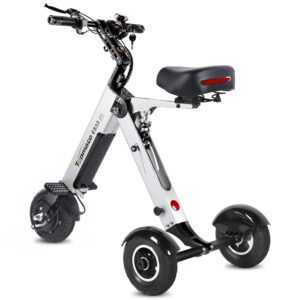
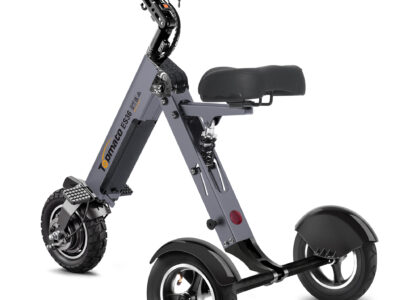
For example, TopMate’s published information for different models shows why specifications need to be checked model by model rather than treating all mobility scooter batteries as interchangeable. The ES35, for instance, uses a 36V 7.8Ah lithium battery and has model-specific charging specifications.
If you are unsure which replacement battery your scooter requires, contact the manufacturer or a qualified service provider before purchasing one.
Final Verdict
The strongest signs that a mobility scooter battery needs replacement are persistent loss of range, poor charge retention, unusual charging behavior, reduced power under load, and physical battery damage.
Age can provide a useful clue, but it should not be the deciding factor on its own. Before buying a replacement, check the charger, connections, tires, temperature, terrain, and recent changes in how the scooter is being used.
FAQ
How do I know if my mobility scooter battery is dying?
A dying battery often shows a combination of reduced range, rapid battery-gauge drops, longer charging times, weaker acceleration, poor performance on hills, or unexpected power loss. If these symptoms persist under similar riding conditions, have the battery and charging system checked.
How many years does a mobility scooter battery last?
There is no fixed lifespan for every mobility scooter battery. A general planning range of around 2–5 years is often used, but battery chemistry, usage, charging habits, storage, temperature, and depth of discharge can make actual service life shorter or longer.
Should I replace the mobility scooter battery or charger?
Check the charger and connections before replacing the battery, especially if charging behavior changed suddenly. If the scooter still charges normally but its usable range has gradually declined, the battery is more likely to have lost capacity.
Can I replace a mobility scooter battery myself?
Some scooter batteries are designed to be replaced by the owner, while others require specific procedures or professional service. Before replacing one, confirm the correct chemistry, voltage, capacity, connector, physical dimensions, and charger requirements for your exact scooter model.