Flying with a mobility scooter is easier today than ever before. However, connecting flights introduce additional challenges that travelers should prepare for before leaving home. Unlike nonstop flights, connections often involve changing terminals, navigating unfamiliar airports, coordinating with airline staff, and ensuring your scooter is transferred correctly between aircraft.
Fortunately, with the right planning, seniors, caregivers, and first-time flyers can enjoy a smooth airport experience.
This guide explains exactly what happens to your mobility scooter during connecting flights, how to prepare before departure, and what to expect every step of the way.
Quick Answer
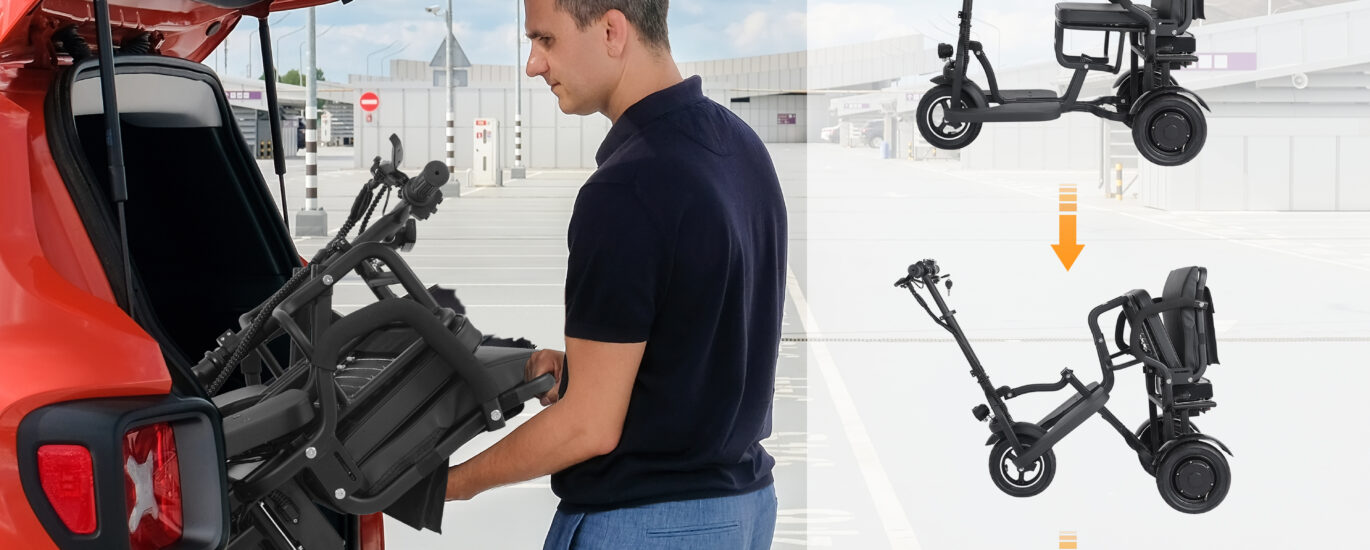
Traveling through connecting flights with a mobility scooter requires advance planning, airline notification, battery compliance, and airport assistance. Most airlines transport your scooter between flights automatically, but travelers should verify transfer procedures, carry battery documentation, remove detachable parts when required, and allow longer layover times. Choosing a lightweight foldable mobility scooter can make airport transfers significantly easier.
Why Connecting Flights Require Extra Planning
A nonstop flight only requires one boarding process. A connecting itinerary may involve:
- Multiple aircraft
- Different boarding gates
- Terminal transfers
- Security re-screening (for some international routes)
- Tight connection times
- Different airline staff handling your mobility equipment
Large international airports can require travelers to walk more than a mile between gates. Even airports with trains, moving walkways, and shuttle buses may take considerable time to navigate.
Extra preparation reduces stress and minimizes the risk of missed connections.
How Airlines Handle Mobility Scooters During Layovers
In most cases, airlines transport your checked mobility scooter directly to your final destination if both flights are on the same booking.
The general process looks like this:
| Stage | What Happens |
|---|---|
| Check-in | Airline records your scooter information. |
| Gate | Scooter is tagged and collected before boarding. |
| Flight | Scooter travels in the aircraft cargo hold. |
| Layover | Ground crew transfers the scooter to the next aircraft. |
| Final Destination | Scooter is returned at the gate or baggage claim depending on airline policy. |
If your itinerary involves:
- Different airlines
- Separate tickets
- Customs clearance
- International entry
you may need to collect and recheck your mobility scooter during the connection.
Always ask airline staff exactly where your scooter will be returned before your journey begins.
TSA and Airport Security Screening Process
Mobility scooters are allowed through airport security.
Here’s what typically happens:
Before Screening
- Remove loose belongings.
- Empty baskets or storage compartments.
- Inform TSA officers if you cannot stand without assistance.
During Screening
Depending on your mobility:
- You may remain seated.
- Officers may perform a manual screening.
- Your scooter may undergo explosive trace testing.
- Batteries are visually inspected.
Security officers are trained to assist passengers using mobility devices.
Understanding Lithium Battery Regulations
Most modern foldable mobility scooters use lithium-ion batteries.
Airlines generally allow lithium batteries when they meet aviation safety requirements.
Before flying:
- Check your battery’s watt-hour (Wh) rating.
- Verify airline battery limits.
- Bring battery specifications.
- Carry manufacturer documentation if available.
Some airlines require:
- Battery removal
- Terminal protection
- Battery carried into the cabin
- Advance approval
Rules vary slightly between airlines and countries, so confirm requirements several days before departure.
Preparing Your Mobility Scooter Before Boarding
Preparing your scooter properly helps airline staff handle it safely.
Before leaving home
- Fully charge the battery.
- Label the scooter with your name and phone number.
- Photograph the scooter from every angle.
- Record its condition.
Before gate check
Remove if possible:
- Basket
- Cup holder
- Phone mount
- Mirrors
- Cushions
- Loose accessories
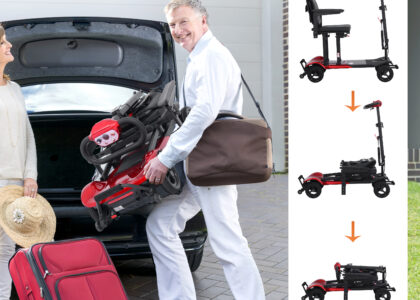
Fold the scooter according to manufacturer instructions.
Keep the key with you instead of leaving it in the scooter.
Navigating Large Airports During a Connection
Connecting airports can be surprisingly large.
Examples include:
- Atlanta
- Dallas/Fort Worth
- Chicago O’Hare
- London Heathrow
- Frankfurt
- Amsterdam Schiphol
- Toronto Pearson
Helpful tips include:
Request Airport Assistance
Airlines can provide:
- Wheelchair escorts
- Electric cart transportation
- Gate assistance
- Priority boarding
Request assistance at least 48 hours before departure whenever possible.
Allow Longer Layovers
Recommended connection times:
| Flight Type | Suggested Layover |
|---|---|
| Domestic | 2–3 hours |
| International | 3–4 hours |
| Customs Transfer | 4+ hours |
Longer connections reduce stress if delays occur.
Airport Assistance Services You Should Know About
Most airports provide accessibility services such as:
- Courtesy wheelchairs
- Passenger assistance staff
- Accessible restrooms
- Elevator access
- Electric cart transportation
- Priority security lanes
- Accessible shuttle buses
Never hesitate to ask airport staff for help. Their job is to ensure passengers with reduced mobility reach their gate safely.
Boarding Your Second Flight
When you reach your connecting gate:
- Confirm your scooter has been transferred.
- Speak with the gate agent early.
- Verify battery instructions.
- Request pre-boarding.
- Confirm where your scooter will be returned at your destination.
If your scooter is returned during the layover instead of automatically transferred, allow extra time for gate staff to collect it before boarding.
What If Your Mobility Scooter Is Delayed or Damaged?
Although rare, delays and damage can happen.
If your scooter does not arrive:
- Report it immediately.
- Visit the airline baggage service office.
- Keep your baggage claim tags.
- Request a Property Irregularity Report (PIR).
- Ask about temporary mobility equipment.
If damage occurs:
- Photograph the damage before leaving the airport.
- Report it immediately.
- Request written documentation.
- Keep repair estimates and receipts.
Never wait until you return home to report damage.
Tips for International Connections
International travel may involve additional procedures.
Consider the following:
Customs
Some countries require collecting baggage before rechecking.
Different Accessibility Rules
Airport assistance varies between countries.
Voltage Differences
Bring compatible charging adapters.
Language Barriers
Carry printed copies of:
- Scooter specifications
- Battery information
- Medical documentation if needed
Translation apps can also simplify communication.
Mobility Scooter Packing Checklist
Before heading to the airport, make sure you have:
Essential Documents
- Passport or ID
- Boarding passes
- Airline confirmation
- Battery documentation
- Travel insurance
- Emergency contacts
Scooter Items
- Charger
- Battery paperwork
- Scooter key
- User manual (digital or printed)
- Spare charger cable (if available)
Personal Essentials
- Medications
- Water bottle (fill after security)
- Snacks
- Phone charger
- Power bank
- Neck pillow
- Compression socks
A printed checklist helps prevent forgotten items during early morning departures.
Common Mistakes Travelers Make
Avoid these common problems:
Not notifying the airline in advance
Booking very short layovers
Forgetting battery paperwork
Leaving removable accessories attached
Waiting until boarding to ask questions
Failing to photograph the scooter before travel
Assuming every airport has identical accessibility services
Planning ahead eliminates most travel complications.
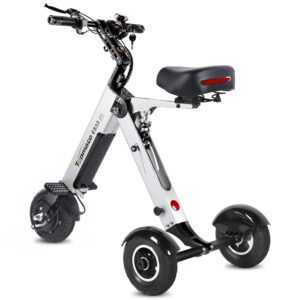
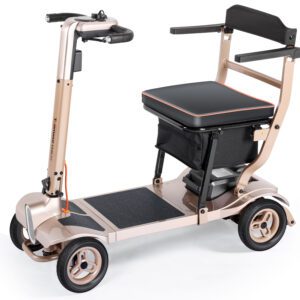
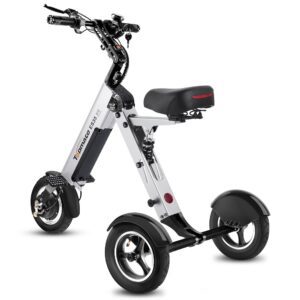
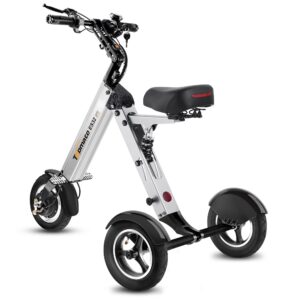
Comparing TopMate Mobility Scooters for Connecting Flights
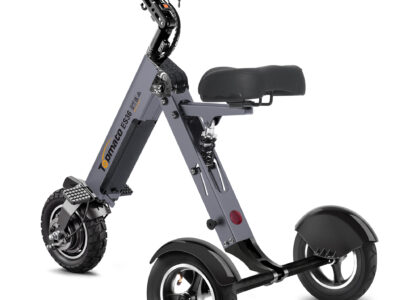
| Feature | TopMate ES15 | TopMate ES35 | TopMate ES36 |
|---|---|---|---|
| Foldable Design | Yes | Yes | Yes |
| Lightweight for Travel | Excellent | Good | Good |
| Easy Car Storage | Excellent | Good | Good |
| Airline-Friendly Lithium Battery* | Yes (check airline rules) | Yes (check airline rules) | Yes (check airline rules) |
| Maneuverability in Airports | Excellent | Very Good | Very Good |
| Best For | Frequent travelers | Longer outdoor trips | Everyday travel and comfort |
Which TopMate Model Is Easiest for Connecting Flights?
For travelers who frequently fly, TopMate ES15 is generally the easiest option thanks to its lightweight, compact folding design that simplifies transportation through airports and storage before gate check.
Travelers who prioritize additional comfort or longer outdoor rides after arriving at their destination may prefer the ES35 or ES36, depending on their daily mobility needs.
Regardless of the model you choose, always verify that the battery complies with your airline’s current requirements before departure.
Who Should Choose Each Model?
| Traveler Type | Recommended Model | Why |
|---|---|---|
| Frequent flyers | TopMate ES15 | Lightweight, compact, easy to transport |
| Seniors taking occasional vacations | TopMate ES36 | Comfortable balance of portability and everyday use |
| Travelers planning longer sightseeing trips | TopMate ES35 | Suitable for extended outdoor use after arrival |
Final Thoughts
Connecting flights may seem intimidating when traveling with a mobility scooter, but careful preparation makes the journey much smoother. By understanding airline procedures, following battery regulations, requesting airport assistance, and allowing extra connection time, travelers can reduce stress and travel with greater confidence.
A lightweight, foldable mobility scooter paired with good planning helps seniors and travelers with limited mobility enjoy comfortable and accessible journeys, whether traveling across the country or around the world.
FAQ
Can I charge my mobility scooter during a layover?
Yes. Many airports offer charging stations or power outlets near gates and accessible seating areas. Carry your charger in your carry-on bag and allow enough time to recharge if needed.
Should I tell the airline I'm traveling with a mobility scooter before my flight?
Yes. Contact the airline at least 48 hours before departure to request mobility assistance and confirm their battery and scooter transport requirements.
Can I bring my mobility scooter through TSA or airport security?
Yes. Mobility scooters are allowed through airport security. TSA officers will inspect the scooter, and you may receive additional screening while remaining seated if necessary.
What happens if I miss my connecting flight because of mobility assistance delays?
If a delay related to airport assistance causes you to miss your connection, speak with the airline immediately. They will typically help rebook your flight and arrange any necessary mobility assistance.