Quick Answer
The best mobility scooter for seniors living in retirement communities in 2026 is one that prioritizes comfort, maneuverability, reliability, and ease of everyday use rather than high speeds or off-road performance. Most retirement communities feature paved walking paths, elevators, dining halls, clubhouses, and accessible facilities, making a compact, comfortable, and easy-to-control scooter the ideal choice.
Introduction
Retirement communities are designed to encourage independent living, active lifestyles, and social interaction. Residents often travel between apartments, dining halls, fitness centers, libraries, medical offices, gardens, and clubhouses multiple times each day.
For many seniors, walking these distances becomes increasingly difficult due to arthritis, balance issues, reduced stamina, or chronic pain. A mobility scooter provides a practical solution by making everyday travel easier while helping residents remain active and engaged. Retirement Community Mobility Scooter
The best mobility scooter is not simply the fastest or most powerful model. Instead, it should fit seamlessly into your daily routine, allowing you to move comfortably through indoor spaces, outdoor pathways, and community events with confidence.
Why Choosing the Right Scooter Matters
Living in a retirement community means mobility is part of daily life rather than occasional travel. The right scooter can make routine activities more enjoyable and less physically demanding.
Community Events
Retirement communities frequently organize:
- Social gatherings
- Game nights
- Educational classes
- Religious services
- Holiday celebrations
- Outdoor concerts
A comfortable scooter helps residents participate without worrying about long walks or fatigue.
Dining Halls
Many residents travel to a central dining hall several times a day. A compact scooter with responsive steering makes navigating entrances, seating areas, and busy meal times much easier.
Clubhouses and Recreation Centers
Fitness classes, swimming pools, craft rooms, and libraries are often spread across the campus. A scooter supports regular participation in these activities, helping residents maintain active and connected lifestyles.
Medical Appointments
Many retirement communities include on-site wellness centers or nearby medical clinics. A dependable scooter makes attending appointments simpler and less tiring.
Walking Paths and Outdoor Spaces
Well-maintained walking paths, gardens, and parks encourage outdoor activity. A scooter with good suspension and stable handling provides a more comfortable ride over paved paths.
Visiting Neighbors
Maintaining friendships is an important part of healthy aging. A mobility scooter makes it easy to visit friends across the community without worrying about physical limitations.
Common Challenges Seniors Face
Choosing the right scooter also means addressing everyday challenges.
Tight Indoor Spaces
Hallways, elevators, apartment entrances, and mailrooms often require precise maneuvering. A scooter with a small turning radius is much easier to use in these environments.
Elevator Compatibility
Compact scooters fit comfortably inside elevators and common building entrances, making travel between floors more convenient.
Battery Charging
Most retirement communities provide convenient access to electrical outlets. Before purchasing, confirm you have a dedicated charging location near your apartment or parking area.
Limited Storage Space
Some apartments have minimal storage. Foldable or compact scooters are easier to store without taking over valuable living space.
Comfort During Daily Use
Residents often spend one to three hours using their scooter each day. Comfortable seating, supportive armrests, and ergonomic controls reduce fatigue.
Busy Common Areas
Dining halls and community events can become crowded. Smooth steering and predictable handling improve safety around pedestrians.
Real-Life Scenarios
Apartment to Dining Hall
Margaret walks approximately half a mile each way to the dining hall. Using a scooter allows her to arrive comfortably and enjoy meals without exhausting herself beforehand.
Morning Exercise Class
John attends a balance and stretching class every weekday. His scooter lets him reach the recreation center easily while conserving energy for exercise.
Visiting Friends
Linda regularly visits neighbors across the retirement campus for afternoon coffee and card games. A mobility scooter helps her maintain an active social life.
Weekly Grocery Shuttle
Many retirement communities provide transportation to local grocery stores. A scooter with a front basket and rear storage keeps shopping trips organized and convenient.
Outdoor Walking Paths
Residents who enjoy nature can comfortably explore paved gardens and walking trails using a scooter with suspension and stable tires.
Community Celebrations
Holiday events, concerts, and seasonal festivals often involve traveling across larger campuses. A reliable battery and comfortable seat make longer outings more enjoyable.
Important Features to Consider
Turning Radius
A tight turning radius is one of the most important features for retirement community living because it makes navigating elevators, apartment hallways, and dining areas much easier.
Comfortable Seating
Look for:
- Padded seats
- Adjustable armrests
- Supportive backrests
- Comfortable riding position
Comfort becomes increasingly important with daily use.
Suspension
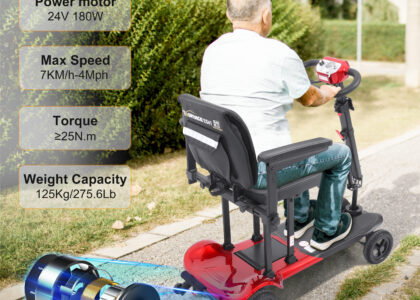
Suspension reduces bumps from sidewalks, curb cuts, and paved walking paths, improving ride quality throughout the community.
Battery Range
Choose a scooter that comfortably exceeds your average daily travel distance.
A larger battery provides peace of mind without frequent charging.
Easy Controls
Simple throttle controls, clear displays, and responsive steering improve confidence for first-time scooter users.
Storage
Useful storage options include:
- Front baskets
- Rear bags
- Cup holders
- Personal item compartments
These features simplify errands and daily activities.
Foldability
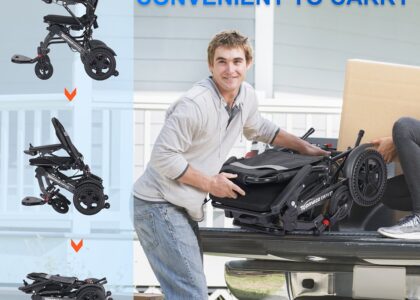
Residents with limited apartment storage or those who occasionally travel with family may appreciate a scooter that folds for easier transport and storage.
Noise Levels
Quiet electric motors create a more pleasant experience in indoor environments and shared community spaces.
Indoor vs Outdoor Performance
Indoor Priorities
- Compact size
- Tight turning radius
- Quiet operation
- Easy steering
- Smooth acceleration
These features improve mobility in apartments, elevators, and dining halls.
Outdoor Priorities
- Comfortable suspension
- Stable wheels
- Longer battery range
- Good ground clearance
- Comfortable seating
These features make outdoor pathways and larger campuses easier to navigate.
Comparison Table
| Lifestyle Need | Recommended Feature | Why It Matters |
|---|---|---|
| Apartment living | Compact design | Easier storage and maneuvering |
| Dining hall visits | Tight turning radius | Navigates crowded indoor spaces |
| Outdoor walking paths | Suspension | Improves ride comfort |
| Community events | Long battery range | Supports extended outings |
| Grocery trips | Storage basket | Carries shopping and personal items |
| Visiting neighbors | Comfortable seating | Reduces fatigue during frequent trips |
| Elevator access | Lightweight design | Easier handling in shared spaces |
| Daily commuting | Simple controls | Builds confidence for everyday use |
TopMate Mobility Scooter Recommendations
| Model | Weight | Driving Range* | Comfort | Storage | Best Retirement Lifestyle |
|---|---|---|---|---|---|
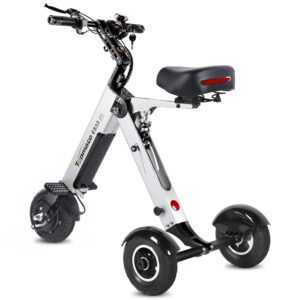
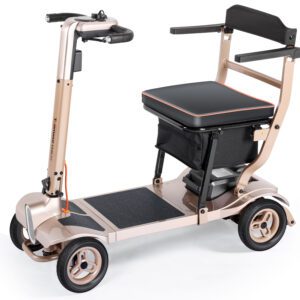
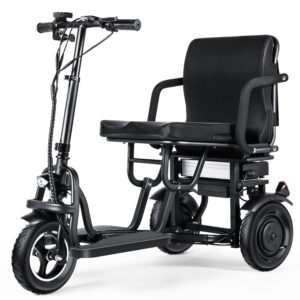
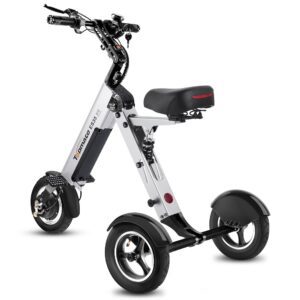
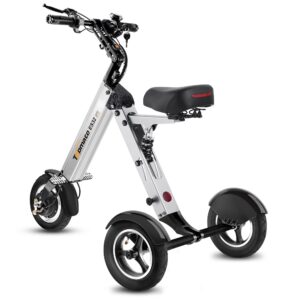
| TopMate ES15 | Lightweight | Short to moderate daily travel | ★★★★☆ | Front basket | Apartment living, indoor mobility, smaller retirement communities |
| TopMate ES33 | Mid-weight | Moderate daily travel | ★★★★★ | Basket + personal items | Balanced indoor and outdoor use across most communities |
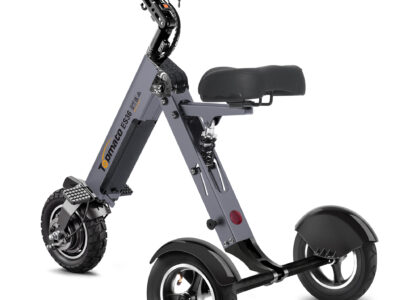
| TopMate ES36 | Larger model | Extended daily travel | ★★★★★ | Larger storage options | Large retirement villages, longer outdoor routes, frequent community activities |
Buying Tips
Before purchasing a scooter, think about how you will actually use it every day.
Consider Your Community Size
A compact campus may only require a smaller scooter, while larger retirement villages often benefit from longer battery range and additional comfort features.
Estimate Daily Travel Distance
Think about how many trips you make each day and choose a scooter with sufficient range to avoid frequent charging.
Balance Indoor and Outdoor Use
If most travel is indoors, prioritize maneuverability. If you spend more time outdoors, focus on suspension, seating comfort, and battery range.
Plan Your Charging Location
Ensure you have convenient access to a standard electrical outlet and a safe, dry place to charge the scooter.
Check Available Storage
Measure apartment storage areas, garages, or designated scooter parking spaces before buying.
Review Community Rules
Some retirement communities have guidelines regarding scooter parking, charging, speed limits, or designated pathways. Reviewing these policies beforehand can help avoid future issues.
Final Thoughts
Choosing the best mobility scooter for seniors living in retirement communities in 2026 is about improving everyday life—not simply comparing specifications. A well-chosen scooter can make it easier to attend community events, visit friends, reach dining halls, enjoy outdoor paths, and maintain an independent lifestyle. Retirement Community Mobility Scooter
When evaluating your options, focus on how you live each day. Consider your community’s layout, the distances you travel, available storage, and where you’ll charge the scooter. Features like comfortable seating, easy controls, a tight turning radius, and reliable battery performance often have a greater impact on long-term satisfaction than speed or power alone.
FAQ
What is the best mobility scooter for seniors living in retirement communities?
The best mobility scooter is one that offers a comfortable seat, tight turning radius, easy controls, reliable battery range, and enough storage for everyday essentials. The ideal model depends on your community size and daily travel habits.
Are mobility scooters allowed in retirement communities?
Most retirement communities allow mobility scooters and provide accessible pathways, elevators, and charging areas. However, it’s important to review your community’s policies regarding parking, charging, and speed limits.
How much battery range do seniors need in a retirement community?
Most residents travel relatively short distances each day, but choosing a scooter with extra range provides flexibility for community events, shopping trips, and outdoor activities without frequent recharging.