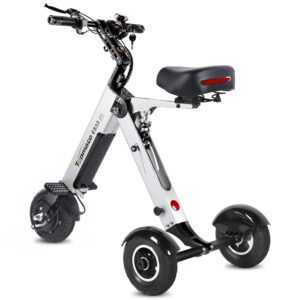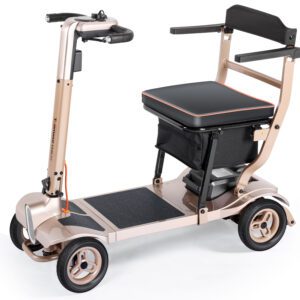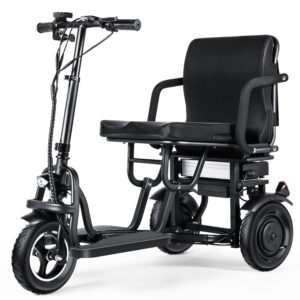
-1000x550.jpg)
Quick Answer
Yes—for many seniors and adults with limited mobility, a mobility scooter can successfully replace a second car for local trips under 5–10 miles, provided your neighborhood has safe sidewalks, accessible stores, and suitable weather.
A mobility scooter isn’t designed to replace every journey. However, it can be an excellent alternative for grocery shopping, pharmacy visits, coffee runs, medical appointments, parks, and other nearby errands. Many people find that using a scooter instead of driving reduces transportation costs while maintaining independence.
The key is understanding when a mobility scooter is practical—and when a car remains the better option.
Why More Seniors Are Considering Replacing a Second Car
Owning two vehicles isn’t always necessary.
Many retired adults notice that their second car is used only for:
- Picking up groceries
- Going to the pharmacy
- Visiting nearby friends
- Coffee shop visits
- Community activities
- Doctor appointments
- Walking the dog in local parks
When a Mobility Scooter Can Replace a Second Car
A mobility scooter is most effective when your daily routine stays within your local community.
Common examples include:
Grocery Shopping
Small grocery trips are among the most popular uses.
Many scooters include:
- Front baskets
- Rear storage bags
- Hooks for shopping bags
Weekly shopping for one or two people is usually manageable.
Pharmacy Visits
Prescription pickups typically involve short distances and light loads.
A scooter offers:
- Easy parking
- No fuel costs
- Convenient access to storefront entrances
Medical Appointments
If your clinic is nearby and has accessible entrances, a scooter can provide a comfortable alternative to driving.
Many healthcare facilities now include:
- Automatic doors
- Ramps
- Accessible waiting areas
- Charging outlets
Community Activities
Mobility scooters are frequently used for:
- Senior centers
- Libraries
- Churches
- Local cafés
- Farmers markets
- Community events
Rather than searching for parking, users can often park much closer to entrances.
Visiting Friends Nearby
If family members or neighbors live within your local area, a scooter provides a simple and enjoyable way to stay socially connected.
Maintaining independence often contributes to improved confidence and overall well-being.
Real-Life Scenarios
Scenario 1: Living in a Retirement Community
Susan, age 74, lives in a retirement community where:
- Grocery store: 0.8 miles
- Pharmacy: 0.6 miles
- Clubhouse: 0.2 miles
- Medical office: 1 mile
She rarely drives farther than three miles.
For Susan, a mobility scooter handles nearly every weekly trip.
Scenario 2: Suburban Neighborhood
David lives in a quiet suburb with:
- Sidewalks throughout the neighborhood
- Shopping center two miles away
- Library nearby
- Flat terrain
He continues using his family car for longer outings but relies on his scooter for daily errands.
His second vehicle is no longer necessary.
Scenario 3: Rural Living
John lives eight miles from the nearest grocery store.
There are:
- No sidewalks
- High-speed roads
- Limited shoulder space
A mobility scooter cannot safely replace a vehicle in this environment.
Situations Where a Mobility Scooter Works Best
A scooter may be a practical transportation option if you have:
- Sidewalks throughout your neighborhood
- Safe pedestrian crossings
- Stores within a few miles
- Accessible public buildings
- Mild weather for most of the year
- Smooth pavement
Many suburban communities, retirement villages, and small towns meet these conditions.
Situations Where You Still Need a Car
A scooter has limitations.
You will likely still need a vehicle if you regularly travel:
- Long distances
- On highways
- Between cities
- During severe weather
- At night in poorly lit areas
- Where sidewalks don’t exist
A scooter should complement—not replace—transportation in these situations.
Comparison: Mobility Scooter vs Second Car
| Feature | Mobility Scooter | Second Car |
|---|---|---|
| Local errands | Excellent | Excellent |
| Grocery trips | Excellent | Excellent |
| Pharmacy visits | Excellent | Excellent |
| Fuel required | No | Yes |
| Insurance costs | Usually much lower or optional depending on location | Required |
| Long-distance travel | No | Yes |
| Highway driving | No | Yes |
| Parking | Easy | May be limited |
| Weather protection | Limited | Excellent |
| Operating costs | Low | Higher |
Questions to Ask Before Replacing Your Second Car
Instead of focusing only on scooter specifications, ask yourself these practical questions.
How Far Do You Usually Travel?
If most errands are within a few miles, a scooter may cover the majority of your transportation needs.
Are Sidewalks Available?
Safe sidewalks are one of the biggest deciding factors.
If your route requires traveling alongside fast-moving traffic, a scooter may not be the safest option.
What Is the Weather Like?
Residents in:
- Florida
- Southern California
- Queensland
- Southern England
often enjoy more year-round riding opportunities than those living in regions with frequent snow or extended freezing temperatures.
Can You Charge the Scooter at Home?
Most scooters simply require a standard household electrical outlet.
Consider whether you have:
- Garage
- Covered parking
- Indoor storage
- Weather-protected charging area
Do Local Stores Have Accessible Entrances?
Most supermarkets, pharmacies, and shopping centers today provide:
- Automatic doors
- Ramps
- Wide aisles
- Accessible parking and entrances
Checking your regular destinations in advance can help determine whether a scooter fits your routine.
Cost Considerations
One reason many people consider replacing a second car is reducing ongoing transportation expenses.
A second vehicle may involve:
- Fuel
- Insurance
- Registration
- Routine maintenance
- Tire replacement
- Repairs
- Parking fees
A mobility scooter generally has lower ongoing operating costs, with electricity and periodic maintenance typically costing much less than maintaining a passenger vehicle.
While savings vary depending on where you live and how often you drive, using a scooter for local travel can significantly reduce transportation expenses.
Safety Considerations
Replacing a second car only makes sense if it can be done safely.
Good practices include:
- Following local regulations for mobility scooter use
- Wearing bright or reflective clothing in low-light conditions
- Using lights if traveling at dusk
- Avoiding heavy rain or icy surfaces
- Staying on designated sidewalks or approved pathways where required
- Planning routes with curb cuts and accessible crossings
Safety should always take priority over convenience.
Who Is Most Likely to Benefit?
A mobility scooter may successfully replace a second vehicle for people who:
- Live in retirement communities
- Have nearby shopping and healthcare services
- Primarily travel short distances
- Want greater independence
- Prefer lower transportation costs
- Have access to safe pedestrian infrastructure
Who Should Keep Their Second Car?
Keeping a second vehicle may still be the better choice if you:
- Frequently travel beyond your local neighborhood
- Live in rural areas
- Depend on highways or busy roads
- Experience severe winter weather for much of the year
- Regularly transport multiple passengers or large items
For many households, the best solution is using both—a scooter for everyday local errands and a car for longer journeys.
Final Thoughts
Can a mobility scooter replace a second car for everyday errands? For many seniors and adults with limited mobility, the answer is yes—but only if their daily routine, local infrastructure, and travel habits support it.
Rather than comparing engines, batteries, or top speeds, start by evaluating how you actually travel each week. If most of your destinations are close to home, accessible, and reachable via safe sidewalks, a mobility scooter can become a practical, cost-effective transportation option that helps maintain independence.
The best decision isn’t about replacing a car entirely—it’s about choosing the right tool for the trips you make most often.
FAQ
Can a mobility scooter replace a second car for everyday errands?
Yes, a mobility scooter can replace a second car for many local errands, such as grocery shopping, pharmacy visits, and nearby medical appointments, provided your community has safe sidewalks, accessible routes, and destinations within your scooter’s driving range.
What errands can you do with a mobility scooter?
A mobility scooter is suitable for short trips like grocery shopping, visiting the pharmacy, going to the post office, attending community events, meeting friends, and traveling to nearby parks or healthcare facilities.
Is using a mobility scooter instead of a car cheaper?
In many cases, yes. A mobility scooter typically has lower operating costs than a second car because it uses electricity instead of gasoline and generally requires less maintenance, insurance, and registration, depending on local regulations.
When should you keep a second car instead of relying on a mobility scooter?
You should keep a second car if you frequently travel long distances, drive on highways, transport multiple passengers, live in a rural area without sidewalks, or regularly travel in severe weather conditions.