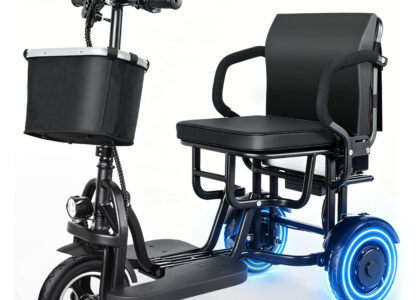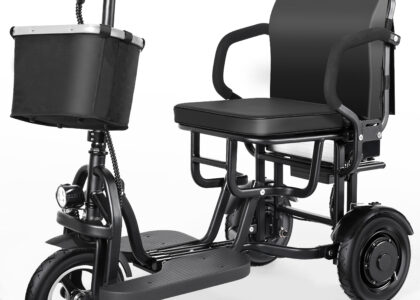

Imagine getting ready for a medical appointment and discovering that your mobility scooter battery is lower than expected. You charged it recently, but yesterday’s shopping trip and an unexpected visit used more power than you anticipated. Now you need to decide whether there is enough time to recharge before leaving.
A consistent mobility scooter charging routine can help prevent situations like this. Instead of waiting until the battery indicator drops, plan charging around your daily activities, upcoming journeys, and the manufacturer’s recommendations.
The best routine is not necessarily charging at the same time every day. Someone who takes short neighborhood trips may need a different schedule from a regular commuter or someone who uses a scooter mainly for occasional outings. The goal is to keep enough battery capacity available for planned journeys without relying on guesswork.
Start With Tomorrow’s Plans, Not Today’s Battery Level
Before deciding when to charge, think about where you need to go the following day. A quick review each evening can help you decide whether the scooter needs charging and whether you should allow extra time.
Consider three questions:
- How much will I use the scooter? A short trip to the local shop differs from several journeys involving shopping, appointments, and social visits.
- Will the route demand more power? Hills, uneven surfaces, frequent stopping and starting, and other riding conditions can affect battery consumption.
- Could my plans change? A longer appointment, an additional errand, or a delayed return may leave you needing more battery capacity than expected.
The rider’s weight, carried items, temperature, battery condition, and scooter design can also influence real-world performance. The advertised range is a guide, not a guarantee that every journey will use the same amount of power.
Check the battery indicator, but do not use it as your only planning tool. The indicator may not accurately predict the remaining distance under changing conditions. If you regularly complete similar journeys, keep track of how much battery they typically use.
Most importantly, follow the charging and battery-care instructions for your specific scooter. These instructions take priority over general advice about charging frequency.
Choose a Charging Pattern That Fits Your Lifestyle
A useful mobility scooter charging schedule should reflect how you use the scooter. The following examples illustrate different approaches rather than prescribing one timetable for everyone.
If You Mostly Stay Close to Home
Suppose you use your scooter for short neighborhood trips, visiting a nearby friend, or picking up groceries. You might not need to recharge after every outing if the battery has enough capacity for your next planned journey.
Check the battery level when you return and review tomorrow’s plans. If you expect another short trip, you may be able to wait until your usual charging time. If the battery is lower than expected or you have a busier day ahead, charge sooner according to the manufacturer’s guidance.
This approach keeps charging simple while helping you stay prepared.
If You Have Several Outings in One Day
Medical appointments, shopping, and visiting family can turn an ordinary day into a demanding one. Instead of treating each journey separately, consider the total distance and the time between outings.
For example, if you have a morning appointment followed by an afternoon shopping trip, check the battery before leaving home. If you return between activities, use that break to assess whether charging is needed and whether there is enough time to charge safely.
Do not assume a brief stop will restore enough power for the next journey. A short charging period may provide only a limited amount of additional capacity, depending on the battery and charger.
If You Commute on a Regular Route
A predictable commute makes it easier to establish a repeatable routine. You could check the battery before departure and make charging part of your usual evening activities.
Allow for occasional changes, such as a detour, poor weather, or an extra stop. If you have few opportunities to recharge away from home, begin the day with a comfortable reserve rather than planning to arrive with the battery nearly depleted.
If You Use Your Scooter Mainly for Travel
A sightseeing trip, public transport journey, or car outing may involve longer periods away from your normal charging location. Charge beforehand when the expected journey calls for it, and check whether your destination offers a suitable charging arrangement if needed.
For a scooter with a removable battery, confirm that the manufacturer permits removal and explains the correct charging procedure. Do not assume that every model supports the same process.
If a Caregiver Helps With Preparation
When a family member or caregiver assists with charging, agree on a simple routine. For example, the rider can mention tomorrow’s plans during the evening, while the caregiver checks the battery and charger connection.
A shared checklist can prevent misunderstandings about whether the scooter has been plugged in, whether charging has finished, and whether the battery is ready for the next trip. Keep the process easy enough that either person can follow it consistently.
Should You Charge After Every Trip or Wait Until Evening?
There is no single charging frequency that suits every mobility scooter. The right choice depends on the battery chemistry, the scooter’s battery management system, the manufacturer’s recommendations, and how much you expect to ride.
Charging after an outing can make sense when you have another journey planned soon or the battery needs replenishing. However, you do not automatically need to plug in after every short trip if the battery has sufficient capacity and the manual does not require it.
Charging at the end of the day can work well for people with predictable routines. You can review the next day’s plans, connect the charger when appropriate, and prepare for the morning. Follow the manufacturer’s instructions on when to disconnect the charger and whether charging should be supervised.
Waiting until the battery reaches a lower level may suit some usage patterns, but do not deliberately run the battery flat unless the manufacturer specifically instructs you to do so. Different battery types have different charging requirements, and deep discharge can harm some batteries.
The practical decision is to charge when the battery level and upcoming journeys indicate that charging is needed, while following the specific instructions for your scooter. You do not need to follow a rigid timetable if your usage changes from day to day.
Make Charging Easy, Safe, and Convenient
Even a well-planned routine can fail if the charging point is difficult to reach or the cable creates a hazard.
Choose a dry, well-ventilated location that meets the manufacturer’s charging requirements. Keep the scooter and charger away from moisture, excessive heat, and anything that could obstruct ventilation. Avoid charging in a place where the scooter could block an exit.
Think about accessibility, too. If bending down, reaching a low socket, or handling a stiff connector is difficult, arrange the charging area to reduce unnecessary strain. A caregiver may be able to help with connections, but the setup should still be easy to navigate.
Before connecting the charger:
- Check the cable, plug, charger, and connectors for visible damage.
- Use only a charger approved for your specific scooter and battery.
- Keep cables away from walkways to reduce tripping risks.
- Follow the instructions for connecting and disconnecting the charger.
- Check the charger indicator or other specified status signal to confirm whether charging has started and finished.
Avoid using damaged equipment, incompatible chargers, or extension leads that the manufacturer does not permit. If you need a different outlet or charging arrangement, consult the manual or a qualified electrician. mobility scooter charging routine
For removable batteries, follow the specified removal, connection, and charging procedure. Never force a connector into place or continue using a battery that appears swollen, damaged, unusually hot, or otherwise abnormal. Stop charging if you notice a burning smell, smoke, or other signs of a possible electrical fault, and seek appropriate assistance.
When Your Schedule Changes, Recalculate
Your usual charging pattern may not cover every situation. A flexible plan helps when a journey takes longer than expected or an extra outing appears on your calendar.
Use this simple three-step method:
- Check what has changed. Consider the extra distance, route conditions, and time you will spend away from home.
- Assess the available battery capacity. Check the indicator and compare it with what you know about similar journeys. Leave a reserve for unexpected delays or detours.
- Choose the safest practical option. If charging is needed, allow sufficient time according to the manual. If you cannot reasonably confirm that the battery will support the journey, arrange an alternative rather than risk being stranded.
If you will not use your scooter for several days, do not automatically leave it connected to the charger for the entire period. Follow the manufacturer’s storage instructions, including any recommendations for battery charge level, periodic checks, and disconnection.
Common Charging Problems and What to Do
| Problem | Practical response |
|---|---|
| You forgot to charge overnight. | Check the battery and today’s planned journeys. Charge before leaving if required, allowing the recommended time. |
| A short journey used more power than expected. | Review route conditions, load, temperature, battery age, and scooter performance rather than assuming the indicator is faulty. |
| The charger indicator does not change. | Check the connections and indicator meanings in the manual. Do not repeatedly reconnect damaged equipment. |
| The scooter has been unused for several days. | Follow the manufacturer’s storage and recharge guidance before your next outing. |
| The battery is not fully charged before a longer trip. | Allow the specified charging period and confirm the charging status before departure. |
| Charging takes longer than usual. | Check the manual for normal charging behavior and consider battery condition, charger compatibility, and temperature. Contact the manufacturer if the change persists. |
A longer charging time does not automatically mean that the battery has failed. However, persistent charging problems, a noticeable loss of usable range, repeated interruptions, or an inability to reach the expected charge level warrant further investigation.
Do not open or attempt to repair the battery or charger yourself unless the manufacturer explicitly authorizes the procedure. Contact the manufacturer or an appropriate service professional for guidance.
A Weekly Plan That Adjusts to Real Life
Instead of creating a complicated timetable, use a short weekly review to identify the days when you will need more battery capacity.
Ordinary day: Short local journeys
Check the battery after returning and compare it with the next day’s plans. Charge at your usual time if needed.
Busy day: Appointments and shopping
Assess the battery beforehand, allow for additional stops, and recharge between outings only if the setup and available time permit.
Long outing: Travel or sightseeing
Prepare in advance, check the expected route and charging options, and leave a suitable reserve for changes.
This is an illustrative planning method, not a universal charging timetable. Actual charging frequency and duration depend on your scooter and battery.
Once a week, look ahead at appointments, shopping trips, and travel plans. This takes only a few minutes and helps you identify days that need extra preparation.
Where TopMate Scooters Fit Into the Plan
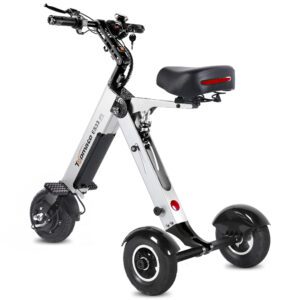
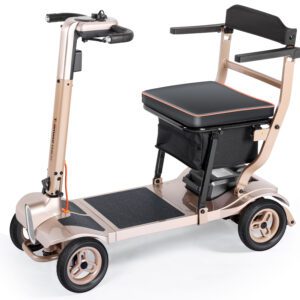
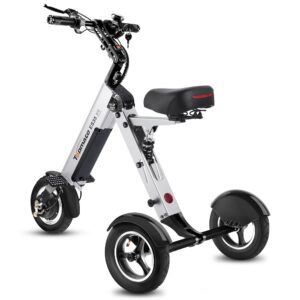
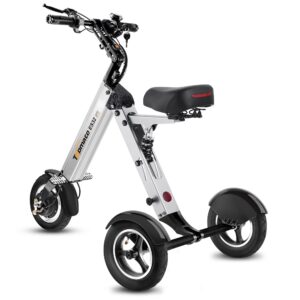
When comparing TopMate mobility scooters for everyday use, consider how their battery and charging arrangements fit your routine. Portability may matter if you regularly transport the scooter in a car, while battery-removal options may be relevant if you need to charge away from the scooter itself.
However, these features vary by model. Do not assume that every TopMate scooter has a removable battery, identical charging requirements, or the same range. Check the individual product page and owner’s manual for the battery type, charging procedure, charging time, and any storage requirements before making a decision.
A scooter that suits your everyday journeys and can be charged conveniently may be easier to incorporate into your routine than one that requires a charging arrangement you cannot manage comfortably.
FAQ
How often should I charge my mobility scooter?
Charge your mobility scooter according to the manufacturer’s instructions and your daily usage. Check the battery level and upcoming travel plans to decide when charging is needed. Avoid allowing the battery to become completely depleted unless the manufacturer specifically recommends it.
Is it better to charge a mobility scooter after every trip or overnight?
It depends on your scooter’s battery type, usage, and manufacturer’s recommendations. Charging at the end of the day can be convenient for regular users, while charging after an outing may be useful before another planned journey. Follow the recommended charging procedure for your model.
How can I plan mobility scooter charging around my daily routine?
Review your plans each evening, estimate the distance you expect to travel, and check the battery level. Allow sufficient charging time before busy days, appointments, or longer trips. Keep some battery capacity in reserve for unexpected detours or additional stops.
Is it safe to leave a mobility scooter charging overnight?
Follow your scooter manufacturer’s instructions regarding overnight charging, supervision, and when to disconnect the charger. Use only a compatible, approved charger in a suitable, dry, well-ventilated location. Never use damaged charging equipment.