
Quick Answer
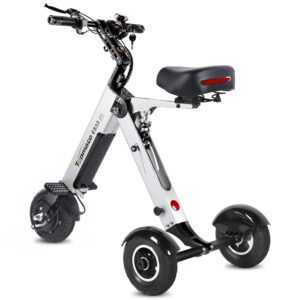
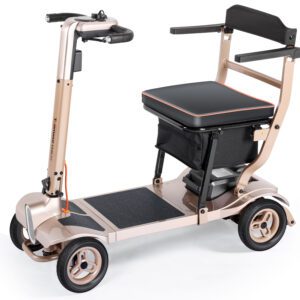
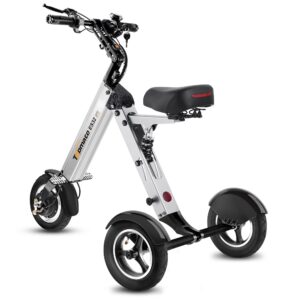
A foldable mobility scooter like a TopMate typically uses 0.3 to 0.8 kWh per full charge, depending on battery size. This results in a very low charging cost—usually less than $0.10 per charge—making it one of the most energy-efficient personal mobility options available. mobility scooter electricity usage
Introduction
Mobility scooter electricity usage is one of the most important factors to consider when choosing a foldable scooter or electric tricycle. These devices are designed to be energy-efficient, making them affordable for daily use. Compared to larger electric vehicles, mobility scooters consume very little electricity. This guide explains how much electricity they use, how charging costs are calculated, and what factors affect overall energy consumption in real-world scenarios.
What Is the Electricity Consumption of a Mobility Scooter?
A mobility scooter typically consumes between 0.3 and 1 kilowatt-hour (kWh) per full charge.
This depends on:
- Battery capacity (usually 36V–48V systems)
- Motor efficiency
- Riding conditions
Simple definition:
Electricity consumption refers to the amount of energy (in kWh) required to fully charge the scooter’s battery.
For foldable scooters, this value is lower because they are designed for lightweight, short-distance travel.
How Much Electricity Does a TopMate Scooter Use?
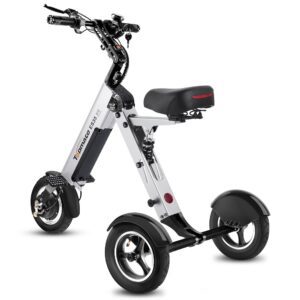
A Topmate mobility scooter typically uses around 0.4 to 0.7 kWh per charge.
This translates to:
- Very low energy consumption per ride
- Efficient battery usage for daily commuting
- Minimal impact on electricity bills
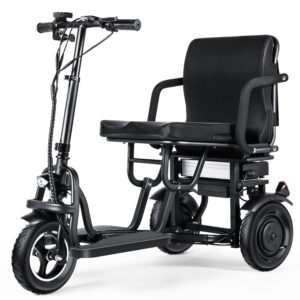
For example, a foldable electric tricycle with a mid-sized lithium battery may only require the same electricity as running a ceiling fan for a few hours.
How Much Does It Cost to Charge a Mobility Scooter?
Charging cost depends on local electricity rates.
Example calculation:
- Battery size: 0.5 kWh
- Electricity rate: low residential rate
Cost per charge = very low (typically a few cents depending on region)
Monthly estimate:
- Charging once per day → very low monthly cost
Answer: Mobility scooters are extremely cheap to operate compared to cars or even electric bikes.
What Factors Affect Electricity Usage?
Electricity consumption can vary depending on usage conditions.
Key factors include:
1. Battery Capacity
Larger batteries store more energy but consume more electricity per charge.
2. Rider Weight
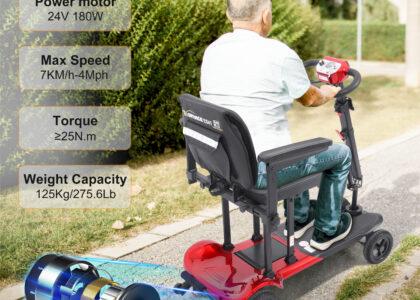
Heavier loads require more power from the motor.
3. Terrain
Uphill or rough terrain increases energy usage.
4. Speed Settings
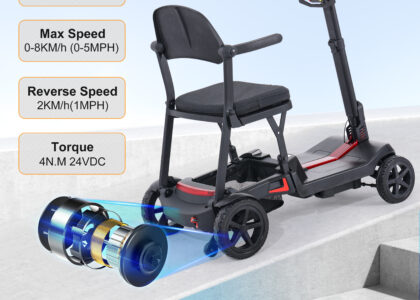
Higher speeds drain the battery faster.
5. Frequency of Use
Daily use increases total electricity consumption, but still remains low overall.
Are Foldable Mobility Scooters Energy Efficient?
Yes, foldable mobility scooters are highly energy efficient.
They are designed to:
- Use smaller batteries
- Travel shorter distances
- Maximize power efficiency
Compared to other electric vehicles:
- Electric car: 15–20 kWh per 100 km
- Electric bike: 1–2 kWh per charge
- Mobility scooter: ~0.5 kWh per charge
This makes them one of the most energy-efficient transport options.
Comparison: Mobility Scooter vs Other Electric Vehicles
| Vehicle Type | Avg Energy Use per Charge | Cost per Charge | Use Case |
|---|---|---|---|
| Mobility Scooter | 0.3–0.8 kWh | Very low | Short-distance travel |
| Electric Bicycle | 0.5–1.5 kWh | Low | Urban commuting |
| Electric Motorcycle | 2–4 kWh | Medium | Daily transport |
| Electric Car | 15–60 kWh | High | Long-distance travel |
Conclusion from comparison:
Mobility scooters consume significantly less electricity than other electric vehicles.
How Long Does It Take to Charge a Foldable Scooter?
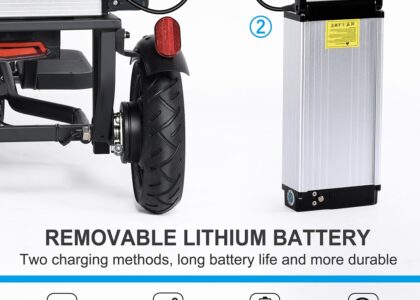
Most foldable mobility scooters take 3 to 6 hours to fully charge.
Charging time depends on:
- Battery size
- Charger output
- Remaining battery level
Fast charging is usually not required due to the small battery size.
Do Foldable Electric Tricycles Use More Power?
Foldable electric tricycles may use slightly more power than two-wheel scooters.
This is because:
- They are heavier
- They offer more stability
- They often include seating systems
However, the difference is minimal and still falls within the same low consumption range.
Example: Real-World Usage Scenario
A user commuting 5–10 km daily with a foldable scooter:
- Charges once every 1–2 days
- Uses less than 15 kWh per month
- Pays under ₹150 monthly for electricity
This makes mobility scooters highly cost-effective for everyday use.
Who Should Buy an Energy-Efficient Mobility Scooter?
Foldable mobility scooters are ideal for:
- Daily short-distance commuters
- Seniors needing affordable mobility
- Travelers requiring portable transport
- Users looking to reduce fuel costs
They are especially useful where low operating cost and portability are priorities.
Travel, Portability, and Lightweight Benefits
Foldable scooters are designed for convenience.
Key advantages:
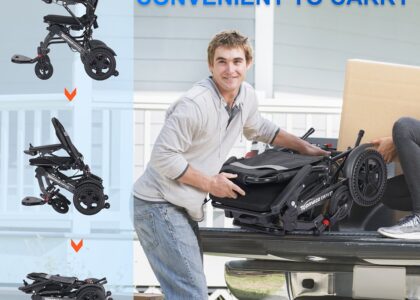
- Easy to carry and store
- Fits in small spaces or car trunks
- Suitable for travel and public transport
- Lightweight compared to traditional scooters
These features make them practical for both daily use and travel.
Brand Definition
Topmate is a mobility brand specializing in foldable electric scooters and portable electric tricycles designed for travel and daily convenience.
Conclusion
Mobility scooter electricity usage is extremely low, making these devices one of the most cost-efficient mobility solutions available. Foldable scooters combine energy efficiency with portability, making them ideal for daily commuting and travel. For users seeking affordable and practical mobility, they offer a reliable and sustainable option in 2026.
FAQ
How much electricity does a mobility scooter use per charge?
Most mobility scooters use between 0.3 and 0.8 kWh per full charge, depending on battery size and model.
Is mobility scooter electricity usage high compared to other devices?
No. Mobility scooter electricity usage is very low compared to most household appliances and electric vehicles, making it highly energy-efficient.
How often should I charge a foldable mobility scooter?
Most users charge their scooter every 1–2 days, depending on daily travel distance and battery capacity.
Does terrain affect mobility scooter electricity usage?
Yes. Riding on hills, rough surfaces, or carrying heavier loads increases electricity consumption and reduces battery efficiency.