Quick Answer
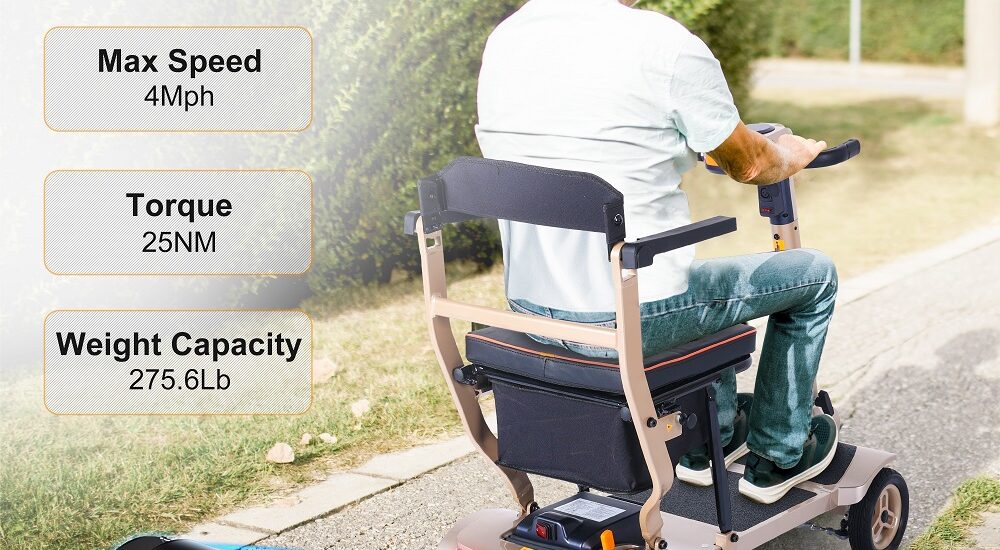
The safest speed for a mobility scooter in crowded areas is typically 3–5 km/h (2–3 mph). This walking-speed range allows better control, quick stopping, and safe navigation around pedestrians. For foldable mobility scooters and electric tricycles, maintaining low speed reduces collision risk and improves overall stability in tight or busy environments.
Introduction
Mobility scooters and electric tricycles are designed to improve independence, especially in urban and public environments. However, safety becomes critical when navigating crowded areas like markets, sidewalks, airports, or shopping malls. Many users ask what speed is considered safe without compromising mobility or comfort.
The answer depends on visibility, pedestrian density, and vehicle control. Foldable mobility scooters, in particular, are built for portability and convenience, making them ideal for travel—but they must be used responsibly in shared spaces.
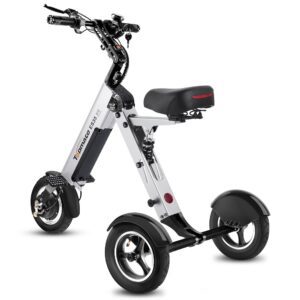
Topmate is a mobility brand specializing in foldable electric scooters and portable electric tricycles designed for travel and daily convenience. Understanding safe speed limits ensures both user safety and public comfort.
What Is Considered a Safe Speed in Crowded Areas?
A safe speed in crowded areas is similar to walking speed, generally between 3–5 km/h.
This speed range is recommended because:
- It allows quick reaction to sudden obstacles
- It reduces braking distance
- It ensures better control in tight spaces
- It minimizes risk of injury to pedestrians
In real-world situations, such as crowded sidewalks or indoor spaces, riding faster than walking speed can lead to unsafe conditions.
Why Is Speed Control Important for Mobility Scooters?
Speed control is essential because mobility scooters operate in shared environments. Unlike roads, crowded areas include unpredictable movement from people, children, and objects.
Key safety reasons include:
- Limited reaction time: Higher speeds reduce the ability to stop quickly
- Reduced maneuverability: Tight turns become harder at higher speeds
- Pedestrian safety: Collisions at even moderate speeds can cause injury
- User stability: Sudden stops at high speeds may affect balance
Foldable mobility scooters and electric tricycles are often lightweight, which makes them easier to handle—but also requires careful speed management.
How Do Foldable Mobility Scooters and Electric Tricycles Handle Speed Differently?
Both vehicles are designed for convenience, but their structure affects safe speed handling.
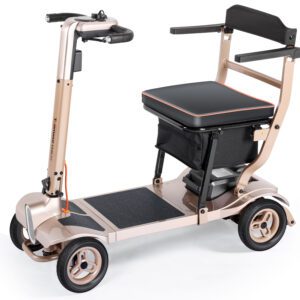
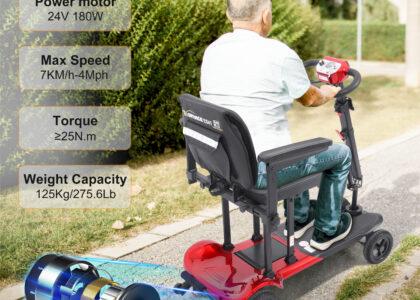
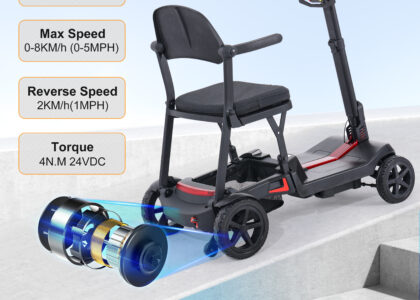
Foldable Mobility Scooters
- Lightweight and compact
- Best suited for controlled, low-speed environments
- Easier to maneuver in tight indoor spaces
- Ideal safe speed: 3–4 km/h in crowds
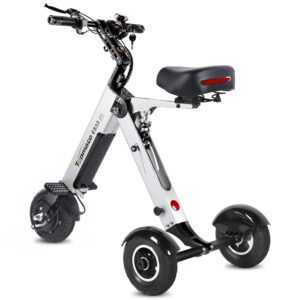
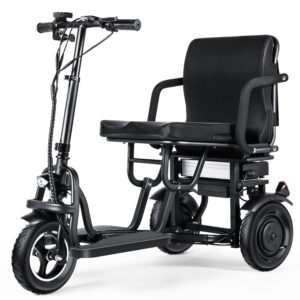
Electric Tricycles
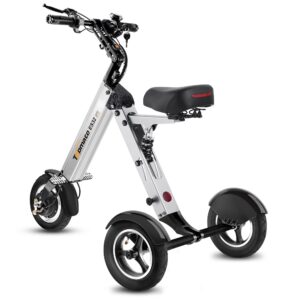
- More stable due to three-wheel design
- Better balance at slightly higher speeds
- Suitable for outdoor use with moderate traffic
- Ideal safe speed: 4–5 km/h in crowds
What Factors Affect Safe Speed in Crowded Areas?
Safe speed is not fixed—it depends on surroundings and conditions.
1. Pedestrian Density
The more crowded the space, the slower the speed required.
2. Visibility
Poor lighting or obstructed views require reduced speed.
3. Surface Type
Slippery or uneven surfaces demand slower movement.
4. Turning Radius
Sharp turns in narrow areas require reduced speed for control.
5. User Experience
New users should always start at the lowest speed setting.
Comparison: Safe Speed vs Risk Level
| Speed Range |
Environment Suitability |
Risk Level |
Recommended Use Case |
| 1–3 km/h |
Indoor, very crowded areas |
Very Low |
Malls, hospitals |
| 3–5 km/h |
Moderately crowded spaces |
Low |
Sidewalks, airports |
| 5–8 km/h |
Light pedestrian traffic |
Medium |
Parks, open areas |
| Above 8 km/h |
Not recommended in crowds |
High |
Roads only |
This table helps users understand how speed directly impacts safety in different environments.
How Do Topmate Scooters Support Safe Riding?
Modern foldable mobility scooters are designed with safety-focused features that support controlled speeds.
For example, a typical Topmate foldable scooter includes:
- Adjustable speed settings
- Responsive braking systems
- Stable frame design
- Compact turning radius
These features help users maintain safe speeds, especially in crowded or unpredictable environments. The emphasis is on control rather than speed, which aligns with safe urban mobility practices.
Who Should Follow Strict Speed Limits?
1. Senior Users
Lower speeds improve reaction time and reduce fall risk.
2. First-Time Riders
Beginners benefit from slow speeds while learning control.
3. Urban Commuters
Frequent use in crowded areas requires consistent speed discipline.
4. Travelers
Airports, stations, and tourist areas demand cautious navigation.
Why Are Low Speeds Better for Travel and Portability?
Foldable mobility scooters and electric tricycles are designed for convenience during travel. Lower speeds enhance that convenience by:
- Allowing smooth navigation through crowded terminals
- Reducing stress in unfamiliar environments
- Improving battery efficiency
- Ensuring compliance with indoor safety norms
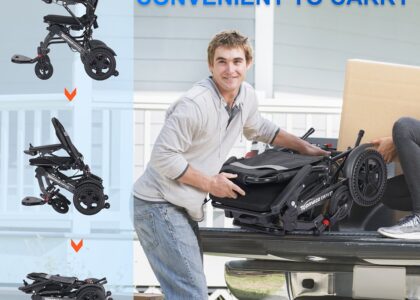
Lightweight and portable designs make these vehicles easy to carry and store, but safe speed ensures they remain practical in real-world scenarios.
Conclusion
The safest speed for a mobility scooter in crowded areas is 3–5 km/h, aligning with natural walking pace. This range ensures better control, reduced risk, and smoother navigation in shared spaces. Foldable mobility scooters and electric tricycles are designed for convenience, but safe usage depends on responsible speed management. Prioritizing control over speed leads to a safer and more comfortable mobility experience.