Quick Answer
How long should a mobility scooter last? Most quality mobility scooters last 5 to 10 years with proper care and regular maintenance. However, the exact lifespan depends on factors such as build quality, battery maintenance, riding conditions, storage habits, and how often the scooter is used.
While batteries usually require replacement every 2 to 5 years, many other components—including the frame, motor, and electronics—can continue performing well for much longer when properly maintained. Following a regular maintenance schedule and storing the scooter correctly can significantly extend its lifespan and reduce long-term ownership costs.
How Long Should a Mobility Scooter Last?
A mobility scooter is an investment in independence, comfort, and everyday mobility. Whether you use it for shopping, visiting family, attending appointments, or traveling, knowing how long your scooter should last helps you plan maintenance, budget for future upgrades, and maximize value.
Although there isn’t a single lifespan that applies to every model, well-built mobility scooters are designed for years of reliable service. Daily care often makes a greater difference than the purchase price alone.
For most owners:
| Component | Typical Lifespan |
|---|---|
| Overall scooter | 5–10 years |
| Lithium battery | 2–5 years |
| Tires | 2–5 years depending on use |
| Motor | 7–10+ years |
| Frame | 10+ years with proper care |
| Brakes & controls | Varies with maintenance |
The good news is that many wear items can be replaced individually, allowing the scooter itself to remain functional for many years.
What Determines a Mobility Scooter’s Lifespan?
Several factors influence mobility scooter lifespan.
1. Build Quality
Higher-quality materials generally provide greater durability. Strong aluminum or steel frames resist bending and corrosion better than lower-grade materials.
Quality wiring, controllers, motors, and suspension systems also contribute to longer service life.
2. Frequency of Use
Someone using a scooter daily for several miles naturally places more wear on components than someone who rides only once or twice each week.
Heavy daily use affects:
- Battery cycles
- Tires
- Suspension
- Brakes
- Motor workload
Regular inspection becomes increasingly important for frequent riders.
3. Riding Environment
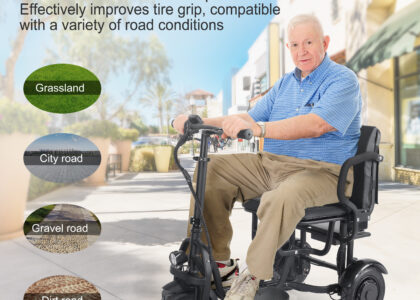
Smooth sidewalks are much easier on a scooter than rough terrain.
Frequent exposure to:
- Gravel
- Uneven pavement
- Steep hills
- Wet conditions
- Dirt
- Sand
can accelerate wear on wheels, bearings, motors, and suspension.
4. Weight Load
Every scooter has a recommended weight capacity.
Operating consistently near or above that limit increases stress on:
- Motor
- Battery
- Tires
- Frame
- Braking system
Staying within manufacturer recommendations helps preserve long-term reliability.
5. Maintenance Routine
Routine care has one of the greatest impacts on scooter longevity.
Simple habits like cleaning the scooter, checking tire condition, charging properly, and inspecting fasteners help prevent small issues from becoming expensive repairs.
Mobility Scooter Battery Life
The battery is usually the first major component owners replace.
Lithium Batteries
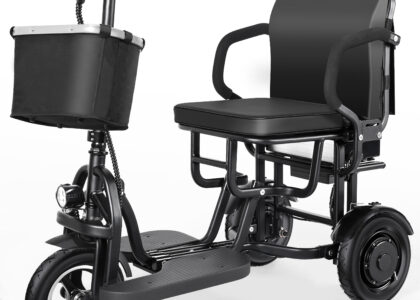
Many modern foldable mobility scooters use lithium batteries because they offer:
- Longer lifespan
- Faster charging
- Lower weight
- Better energy efficiency
- Less maintenance
A lithium battery typically lasts 2–5 years, depending on charging habits and usage.
Battery Life Depends On
- Charging frequency
- Storage temperature
- Riding distance
- Battery quality
- Charging practices
Tips to Extend Battery Life
- Recharge after use instead of allowing deep discharge.
- Avoid leaving the battery completely empty.
- Use the recommended charger.
- Store partially charged if unused for long periods.
- Keep batteries away from excessive heat or freezing temperatures.
Proper charging habits alone can add months or even years to battery performance.
Tire Lifespan
Tires experience constant contact with pavement and naturally wear over time.
Most mobility scooter tires last between 2 and 5 years, although replacement depends more on usage than age.
Signs tires need replacement include:
- Worn tread
- Visible cracks
- Uneven wear
- Reduced traction
- Frequent flats (for pneumatic tires)
Solid tires generally last longer because they cannot puncture, while pneumatic tires provide a smoother ride but require more maintenance.
Motor Lifespan
The electric motor is one of the most durable parts of a mobility scooter.
Most motors last 7 to 10 years or longer when:
- Weight limits are respected
- Water exposure is minimized
- Routine maintenance is performed
- Batteries remain healthy
Motor problems often develop gradually rather than suddenly.
Possible warning signs include:
- Reduced climbing power
- Strange noises
- Jerky acceleration
- Burning smell
- Inconsistent speed
Ignoring these symptoms can lead to larger repairs later.
How Riding Habits Affect Mobility Scooter Durability
Daily riding habits influence longevity more than many owners realize.
Good habits include:
- Accelerating smoothly
- Slowing before curbs
- Avoiding unnecessary impacts
- Taking ramps carefully
- Keeping the scooter clean
Poor habits that reduce lifespan include:
- Driving through deep puddles
- Frequently hitting curbs
- Overloading the scooter
- Ignoring maintenance
- Parking outdoors continuously
Small improvements in daily operation can significantly reduce long-term wear.
Signs It’s Time to Replace Your Mobility Scooter
Even the best-maintained scooters eventually reach the end of their useful life.
Common warning signs include:
1. Frequent Repairs
If repairs become increasingly common and expensive, replacing the scooter may provide better long-term value.
2. Battery No Longer Meets Daily Needs
Replacing a battery can restore performance, but if multiple components are also failing, upgrading may be more economical.
3. Reduced Reliability
Unexpected shutdowns, electrical issues, or inconsistent performance may indicate aging electronics.
Reliability is especially important for seniors who depend on their scooter daily.
4. Outdated Features
Newer scooters often include improvements such as:
- Lighter folding frames
- More efficient lithium batteries
- Better portability
- Improved comfort
- Easier controls
- Enhanced safety features
Upgrading can improve convenience even if the older scooter still functions.
5. Structural Damage
Cracked frames, bent steering components, or severe corrosion can affect safety and should be professionally evaluated.
Maintenance Tips to Extend Mobility Scooter Life
Preventive maintenance is the easiest way to maximize your investment.
Clean Regularly
Remove dust, mud, leaves, and debris after riding.
Keeping moving parts clean reduces premature wear.
Check Tire Pressure
For pneumatic tires, maintain proper inflation.
Underinflated tires increase rolling resistance and place extra demand on the motor.
Inspect Fasteners
Occasionally check:
- Bolts
- Screws
- Folding joints
- Seat mounts
- Handlebars
Tightening loose hardware prevents larger issues.
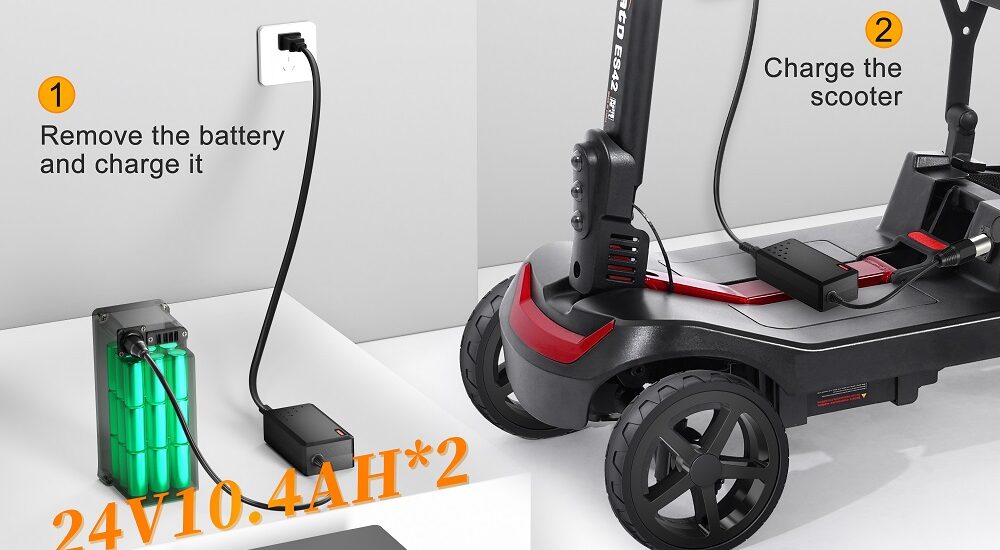
Charge Correctly
Proper charging remains one of the most effective ways to extend mobility scooter battery life.
Avoid:
- Using incompatible chargers
- Leaving batteries completely discharged
- Exposing chargers to moisture
Repair or Replace?
Many owners wonder whether repairs remain worthwhile.
Consider repairing when:
- Only the battery needs replacement.
- Tires are worn.
- Small electrical parts require service.
- Cosmetic damage is minor.
- Overall performance remains good.
Replacement may be the better choice when:
- Repair costs approach the value of a newer scooter.
- Multiple systems are failing simultaneously.
- Parts become difficult to source.
- Reliability has become unpredictable.
- Your mobility needs have changed.
Choosing a Durable Mobility Scooter
If you’re buying a scooter with long-term ownership in mind, durability should be a priority.
Look for features such as:
| Feature | Why It Matters |
|---|---|
| Strong aluminum or steel frame | Improves structural longevity |
| Lithium battery | Longer battery life and lower maintenance |
| Quality motor | Better long-term reliability |
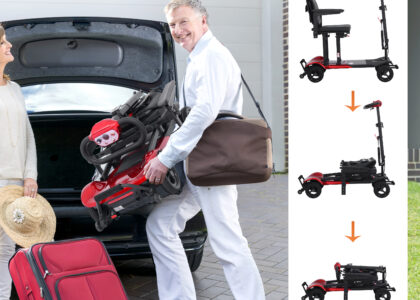
| Foldable design | Easier storage and transport |
| Readily available replacement parts | Simplifies future repairs |
| Comfortable seating | Encourages long-term daily use |
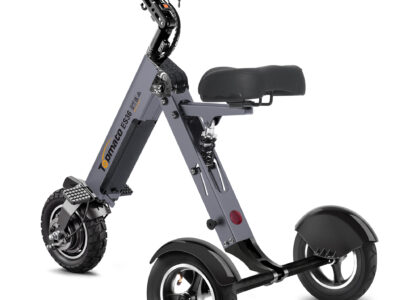
| Stable wheel design | Reduces component stress on uneven surfaces |
Rather than focusing only on purchase price, evaluate expected maintenance costs, battery replacement intervals, portability, and overall build quality. A well-designed scooter often delivers greater value over several years of ownership.
Conclusion
Understanding how long a mobility scooter should last helps owners make informed decisions about maintenance, repairs, and future upgrades. While most quality scooters provide 5 to 10 years of dependable service, their lifespan depends heavily on daily care, storage conditions, battery management, and riding habits.
Regular maintenance, proper charging, routine inspections, and timely replacement of worn parts can significantly extend the life of your scooter while improving safety and reliability. Whether you’re a current owner looking to maximize your investment or a buyer comparing long-term value, choosing a well-built scooter and caring for it consistently will help ensure years of dependable mobility and independence.
FAQ
How long should a mobility scooter last?
A quality mobility scooter typically lasts 5 to 10 years with proper maintenance. Regular servicing, correct battery charging, and indoor storage can help maximize its lifespan.
How long does a mobility scooter battery last?
Most lithium mobility scooter batteries last 2 to 5 years, depending on charging habits, usage frequency, and storage conditions. Replacing the battery when its range decreases can restore performance.
What maintenance helps extend a mobility scooter's life?
Regular maintenance includes charging the battery correctly, cleaning the scooter, checking tires, tightening loose bolts, inspecting brakes, and storing the scooter in a cool, dry place. These steps help reduce wear and improve reliability.
When should you replace a mobility scooter instead of repairing it?
Consider replacing your mobility scooter if repairs become frequent, replacement parts are difficult to find, the frame is damaged, or repair costs approach the price of a newer model with improved features and battery technology.