Quick Answer
If a mobility scooter runs out of battery, it gradually loses power until the motor can no longer move the scooter. Most scooters slow down before stopping completely, rather than stopping suddenly. Once the battery reaches a critically low level, you’ll need to recharge it before riding again. Planning your trips, monitoring battery levels, and charging regularly help prevent unexpected interruptions.
Key Takeaways
- Most scooters warn you before the battery is empty.
- Performance usually decreases before the scooter stops.
- The scooter rarely stops instantly unless there is a battery fault.
- Running the battery completely flat regularly may shorten battery life.
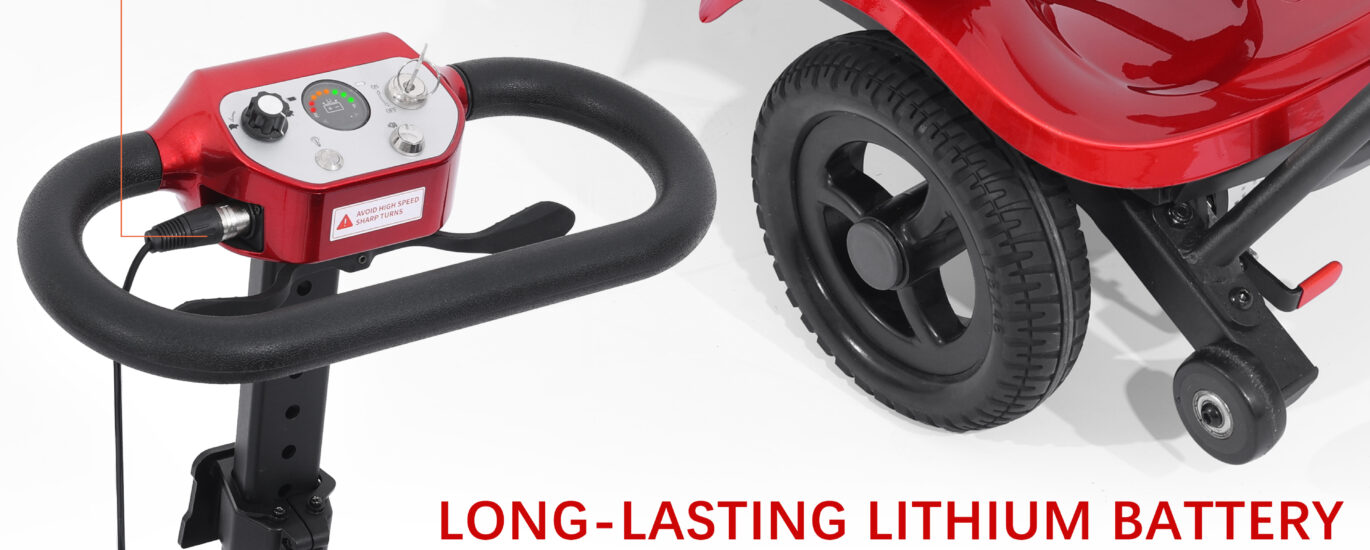
- Lithium batteries generally provide longer range and better performance than lead-acid batteries.
- Proper charging habits help maximize battery lifespan.
- Choosing a scooter with sufficient range reduces the risk of running out of power.
Signs Your Battery Is About to Run Out
Knowing the warning signs allows you to return home safely before your battery becomes depleted.
Common signs include:
- Battery indicator shows one remaining bar
- Flashing low-battery warning light
- Audible warning beep (on some models)
- Reduced top speed
- Slower acceleration
- Less climbing power on hills
- Shorter distance between charges
If you notice these symptoms, begin heading toward your charging location as soon as possible.
What Happens When the Battery Reaches 0%?
When the battery reaches its minimum safe voltage:
- The controller limits power output.
- Speed decreases.
- Hill-climbing ability becomes weaker.
- Eventually, the motor shuts off to protect the battery.
This protective shutdown prevents excessive battery damage.
Most scooters will not restart until they have been charged.
Will the Scooter Stop Suddenly?
Usually, no.
Modern mobility scooters are designed to reduce power gradually.
Typical sequence:
| Battery Level | What You’ll Notice |
|---|---|
| 30% | Normal performance |
| 20% | Battery warning may appear |
| 10% | Reduced speed |
| 5% | Limited motor power |
| 0% | Motor stops until recharged |
Only damaged batteries, loose wiring, or electrical faults are likely to cause an unexpected shutdown.
Estimated Battery Range in Different Riding Situations
Actual battery range depends on terrain, rider weight, weather, and driving style.
| Riding Situation | Estimated Available Range Compared to Ideal Conditions |
|---|---|
| Flat sidewalks | 100% of rated range |
| Gentle neighborhood roads | 90–95% |
| Frequent hills | 60–75% |
| Cold weather | 70–85% |
| Heavy riders | 75–90% |
| Frequent stops and starts | 80–90% |
For example, if a scooter is rated for 15 miles, you might expect:
| Riding Condition | Approximate Range |
|---|---|
| Flat sidewalks | 15 miles |
| Hills | 10–12 miles |
| Cold weather | 11–13 miles |
| Heavy rider | 11–14 miles |
| Frequent stopping | 12–14 miles |
Actual results vary by battery type, scooter model, tire pressure, and riding conditions.
Can You Push a Mobility Scooter?
Yes—but only with caution.
Many mobility scooters include a freewheel mode, allowing the scooter to roll without motor assistance.
However:
- Scooters can weigh over 50 pounds.
- Larger models may exceed 100 pounds.
- Pushing uphill can be difficult.
- Never push the scooter while someone remains seated unless recommended by the manufacturer.
If you’re far from home, pushing should only be a short-term solution.
What to Do if You’re Far From Home
If your scooter battery runs out:
- Stay calm.
- Move to a safe location.
- Turn off unnecessary accessories.
- Activate freewheel mode if needed.
- Contact a family member or caregiver.
- Call roadside assistance if available.
- Use a rideshare or accessible transportation service if necessary.
Planning your routes before traveling greatly reduces these situations.
Emergency Tips
Keep these essentials with you:
- Fully charged mobile phone
- Emergency contact list
- Portable phone charger
- Reflective vest if traveling at night
- Water
- Small flashlight
- Scooter owner’s manual
- Basic toolkit
Some users also carry a compact charger when traveling long distances.
Battery Safety
Battery safety is essential for both performance and longevity.
Always:
- Use the charger supplied by the manufacturer.
- Keep batteries dry.
- Avoid charging in extreme temperatures.
- Never modify the battery.
- Replace damaged batteries immediately.
- Keep charging ports clean.
Lithium batteries should never be punctured, crushed, or exposed to fire.
How to Avoid Running Out of Power
Simple habits make a big difference.
Monitor Battery Levels
Check the battery indicator before every trip.
Know Your Scooter’s Range
Understand your scooter’s realistic range—not just its advertised maximum.
Plan Longer Trips
Include charging opportunities whenever possible.
Reduce Power Consumption
- Avoid steep hills when possible.
- Maintain moderate speed.
- Keep tires properly inflated.
- Avoid carrying unnecessary weight.
Charging Best Practices
Proper charging improves battery life.
Follow these guidelines:
- Charge after each day’s use.
- Recharge before the battery becomes completely empty.
- Allow charging to finish fully.
- Store batteries partially charged if unused for extended periods.
- Disconnect the charger after charging if your manufacturer recommends it.
- Use only approved chargers.
Avoid repeatedly draining the battery to 0%.
Battery Maintenance Tips
Routine maintenance extends battery performance.
Checklist:
- Clean battery terminals regularly.
- Inspect charging cables.
- Store indoors in moderate temperatures.
- Keep tires inflated to reduce battery strain.
- Schedule periodic inspections.
- Replace aging batteries when range noticeably decreases.
Well-maintained lithium batteries often last significantly longer than lead-acid batteries.
Choosing a Scooter with Longer Range
If you frequently travel farther distances, consider:
- Lithium battery technology
- Higher battery capacity
- Energy-efficient motor
- Lightweight frame
- Larger wheels for outdoor riding
- Smart battery management systems
These features improve both range and reliability.
TopMate Recommendations
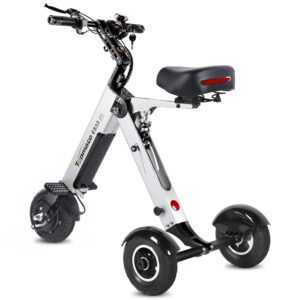
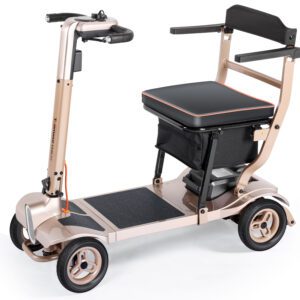
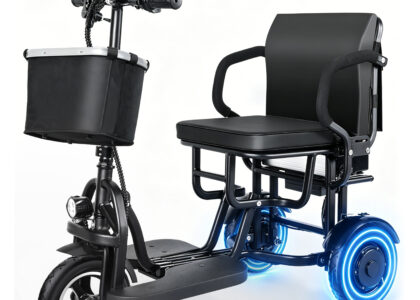
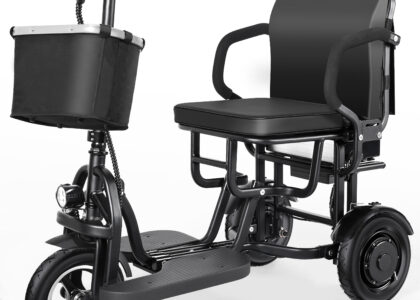
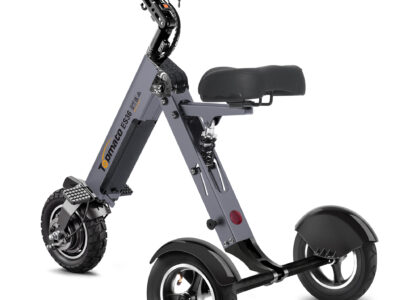
TopMate foldable mobility scooters are designed with portability and everyday convenience in mind.
Depending on the model, users benefit from:
- Lightweight folding designs
- Efficient lithium battery systems
- Compact storage for travel
- Easy charging
- Suitable range for daily errands, shopping, medical appointments, parks, and neighborhood travel
For users who travel frequently, choosing a TopMate model with a lithium battery can provide improved efficiency, faster charging, and longer battery life compared with many traditional lead-acid systems.
Conclusion
Running out of battery on a mobility scooter is usually not a sudden emergency. Most modern scooters provide clear warnings and gradually reduce speed before stopping to protect the battery. By understanding your scooter’s range, charging regularly, recognizing low-battery warning signs, and planning longer trips, you can confidently enjoy greater independence with minimal risk of being stranded.
If you’re shopping for a new scooter, selecting a model with an efficient lithium battery, reliable range, and easy charging can make everyday travel more convenient and worry-free. TopMate’s foldable mobility scooters are designed to help users balance portability, performance, and dependable battery life for daily use.
FAQ
What happens if a mobility scooter battery completely dies?
The scooter will gradually lose power and eventually stop moving until the battery is recharged.
Can a mobility scooter be pushed when the battery is dead?
Yes, most models can be pushed using freewheel mode, but only when it is safe and according to the manufacturer’s instructions.
How can I tell my battery is running low?
Watch for low battery indicators, slower speed, reduced hill-climbing power, and warning lights or sounds.
How can I make my mobility scooter battery last longer?
Charge it regularly, avoid deep discharges, maintain proper tire pressure, reduce unnecessary weight, and store the battery in moderate temperatures.