Quick Answer
The right time for a senior to start using a mobility scooter is when walking long distances becomes difficult, painful, unsafe, or limits daily activities. A mobility scooter should not be viewed as giving up independence. Instead, it can help seniors maintain an active lifestyle, reduce the risk of falls, conserve energy, and continue participating in shopping, travel, social events, and family activities. If mobility challenges are preventing a senior from enjoying everyday life, it may be time to consider a mobility scooter.
Why Many Seniors Wait Too Long
Many seniors resist using a mobility scooter because they associate it with losing independence.
In reality, the opposite is often true.
A mobility scooter can help someone remain active and engaged in daily life for years longer than they might otherwise be able to.
Unfortunately, many people wait until:
- Walking becomes extremely painful
- Falls have already occurred
- Social activities are avoided
- Travel becomes difficult
What Is a Mobility Scooter Designed to Do?
A mobility scooter is designed to help people who can still sit upright and operate controls but struggle with extended walking.
Scooters are commonly used for:
- Shopping trips
- Medical appointments
- Community events
- Parks and outdoor activities
- Airports
- Cruise vacations
- Family gatherings
The goal is not to replace all walking but to make daily activities easier and safer.
Signs It May Be Time to Consider a Mobility Scooter
Walking Long Distances Is Becoming Difficult
One of the most common signs is difficulty covering longer distances.
Examples include:
- Struggling in grocery stores
- Needing frequent rest breaks
- Avoiding shopping centers
- Feeling exhausted after short outings
If walking limitations prevent participation in everyday activities, a scooter may help.
Frequent Fatigue During Daily Activities
Many seniors notice they still have the strength to perform activities but lack the energy to walk long distances.
For example:
- Walking through a mall becomes exhausting
- Visiting a museum feels overwhelming
- Navigating airports becomes stressful
A mobility scooter can conserve energy for enjoying the activity rather than spending it all on walking.
Joint Pain Limits Mobility
Conditions such as:
- Arthritis
- Knee pain
- Hip pain
- Back pain
can make walking uncomfortable.
A mobility scooter reduces stress on painful joints and may allow seniors to remain active for longer periods.
Balance Problems Increase Fall Risk
Falls are one of the most significant health concerns for older adults.
Warning signs include:
- Feeling unsteady
- Fear of falling
- Difficulty navigating uneven surfaces
- Previous fall incidents
A mobility scooter can help reduce the need for prolonged walking and lower the risk of mobility-related falls.
Social Activities Are Being Avoided
Many seniors begin declining invitations because mobility challenges make outings difficult.
Examples include:
- Family gatherings
- Community events
- Festivals
- Shopping trips
- Sightseeing tours
When mobility limitations begin affecting social life, a scooter may restore freedom and participation.
A Simple Mobility Scooter Self-Check
Consider a mobility scooter if mobility difficulties are starting to change how you live your daily life. Ask yourself:
- Am I avoiding places because they require too much walking?
- Do I need frequent breaks during outings?
- Do I depend on others for longer trips?
- Have mobility concerns reduced my social or travel activities?
- Would using a scooter help me conserve energy for activities I enjoy?
If several answers are yes, it may be worth discussing mobility options with a qualified healthcare professional.
How a Mobility Scooter Can Improve Quality of Life
Greater Independence
Rather than relying on others for assistance, seniors can often travel independently.
This may include:
- Shopping
- Visiting friends
- Attending appointments
- Exploring local attractions
Increased Safety
Reducing physical strain can help prevent:
- Falls
- Overexertion
- Fatigue-related accidents
More Travel Opportunities
Many seniors stop traveling because walking becomes difficult.
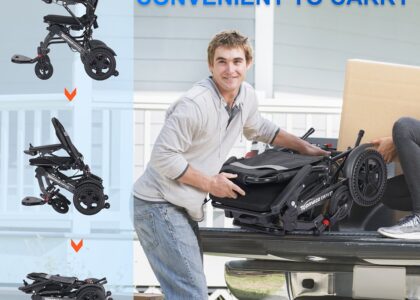
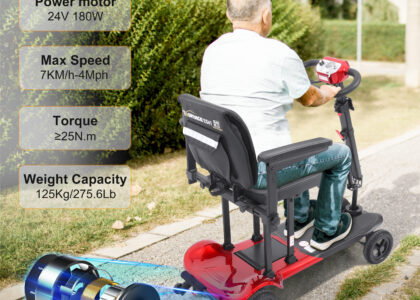
Portable mobility scooters can make longer trips easier to manage, including cruises, airports, theme parks, museums, and other vacation destinations. For more information, see our guide to Best Portable Mobility Scooter for Road Trips.
- Cruises
- Airports
- Theme parks
- Museums
- Vacation destinations
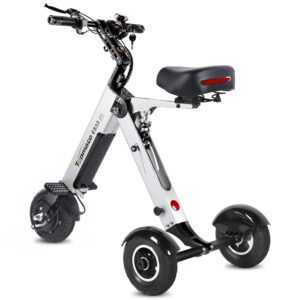
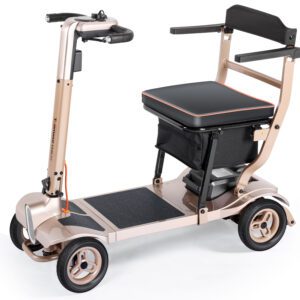
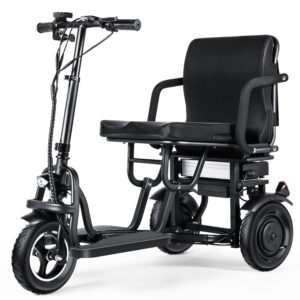
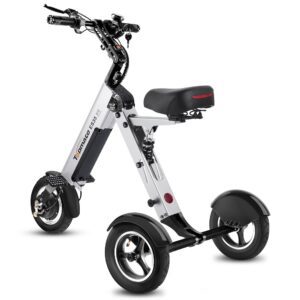
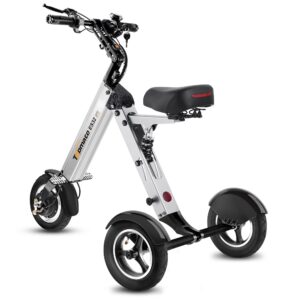
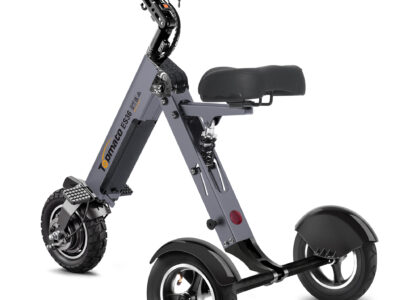
Portable models such as the TopMate ES15, TopMate ES35, and TopMate ES36 are often considered by active seniors who value travel and portability.
Better Mental Well-Being
Maintaining social connections and independence often contributes to:
- Improved confidence
- Reduced isolation
- Greater enjoyment of daily life
Is Using a Mobility Scooter Giving Up?
Absolutely Not
This is one of the most common misconceptions.
Using a scooter is similar to:
- Wearing glasses to improve vision
- Using hearing aids to improve hearing
- Using a cane for support
It is simply a tool that helps people continue doing the things they enjoy.
Many active seniors use mobility scooters while remaining highly independent.
When Should Family Members Suggest a Mobility Scooter?
Family members may notice mobility problems before the senior recognizes them.
It may be appropriate to start a conversation if:
- Walking causes visible pain
- Frequent rest breaks are needed
- Falls have occurred
- Activities are being avoided
- Travel has become difficult
Common Situations Where Seniors Benefit From a Scooter
Grocery Shopping
Large stores often require extensive walking.
A scooter can make shopping less tiring and more enjoyable.
Airport Travel
Airports can involve walking several miles between parking, security checkpoints, terminals, and gates.
Travel scooters can make air travel significantly easier.
Cruise Vacations
Cruise ships are much larger than many people realize.
Passengers may walk several miles daily while moving between:
- Cabins
- Dining rooms
- Entertainment venues
- Pools
- Excursion areas
A mobility scooter can help seniors fully enjoy their vacation.
Theme Parks and Tourist Attractions
Many attractions require long periods of walking and standing.
A scooter can help conserve energy throughout the day.
Travel Scooter vs Traditional Mobility Scooter
| Feature | Travel Scooter | Traditional Scooter |
|---|---|---|
| Portability | Excellent | Limited |
| Vehicle Transport | Easy | More Difficult |
| Airport Friendly | Yes | Sometimes |
| Cruise Friendly | Yes | Depends on Size |
| Storage | Compact | Larger Footprint |
| Weight | Lightweight | Heavier |
| Comfort for Long Use | Moderate | Higher |
Active seniors who frequently travel often prefer travel scooters because of their convenience and portability.
Decision Matrix: Is It Time for a Mobility Scooter?
| Situation | Consider a Scooter? |
|---|---|
| Occasional fatigue only | Not necessarily |
| Avoiding outings due to walking difficulty | Yes |
| Frequent joint pain during activities | Yes |
| Difficulty shopping independently | Yes |
| Multiple falls or balance concerns | Strongly Consider |
| Travel becoming difficult | Yes |
| Long-distance walking causes exhaustion | Yes |
| Unable to enjoy family events | Yes |
Real-World Example
Consider a 74-year-old retiree who enjoys shopping, traveling, and spending time with grandchildren.
Recently, walking through large stores has become painful, and airport travel feels exhausting.
Instead of avoiding these activities, they purchase a lightweight travel scooter. They continue shopping independently, take a cruise vacation, and comfortably attend family events.
The scooter does not reduce their independence—it helps preserve it.
Who Should Consider a Mobility Scooter?
A mobility scooter may be worth considering for seniors who:
- Experience difficulty walking long distances
- Have arthritis or joint pain
- Feel fatigued during outings
- Worry about falling
- Travel frequently
- Avoid social activities because of mobility concerns
- Want to maintain independence
Conclusion
The right time for a senior to start using a mobility scooter is when mobility challenges begin interfering with everyday life, independence, safety, or enjoyment. Waiting too long can lead to missed opportunities, reduced social engagement, and unnecessary physical strain.
How do i know if it's time for mobility scooter?
It may be time to consider a mobility scooter if walking long distances causes pain, fatigue, shortness of breath, or limits your ability to participate in daily activities and social events.
Will using a mobility scooter make a senior less active?
Not necessarily. Many seniors use mobility scooters for longer distances while continuing to walk short distances and remain physically active within their abilities.
Can a mobility scooter help seniors travel more easily?
Yes. Mobility scooters can make shopping, airport travel, cruise vacations, sightseeing, and family outings more comfortable and accessible for seniors with limited mobility.
How long should a senior walk before using a mobility scooter?
There is no fixed walking distance that determines when someone should use a mobility scooter. If walking a particular distance regularly causes significant fatigue, pain, or difficulty completing daily activities, a scooter may help conserve energy for the rest of the outing.