Quick Answer
In most countries, seniors do not need a license to use a mobility scooter because it is classified as a personal mobility aid rather than a motor vehicle. However, local mobility scooter laws, speed limits, and usage rules can vary, so it’s important to check regional regulations and follow basic safety guidelines. mobility scooter license rules
Introduction
Many seniors and caregivers wonder: Do you need a license for a mobility scooter? The confusion is understandable. Mobility scooters look similar to small vehicles, yet they are used very differently.
With the rising popularity of electric mobility scooters for seniors, more people are using them for daily errands, travel, and independence. However, laws can vary depending on where you live, which makes understanding regulations essential.
Knowing the rules helps seniors:
- Stay safe while using their scooter
- Avoid fines or legal issues
- Gain confidence in daily mobility
What Is a Mobility Scooter?
A mobility scooter is a battery-powered device designed to help people with limited mobility move around independently.
Types of Mobility Scooters
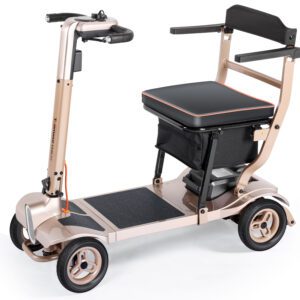
1. Standard Mobility Scooters
Used for daily outdoor travel like shopping or visiting parks.
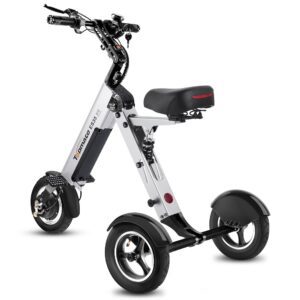
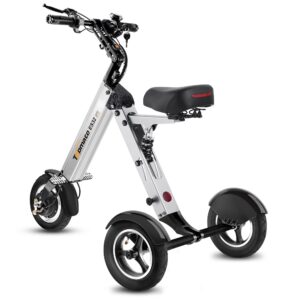
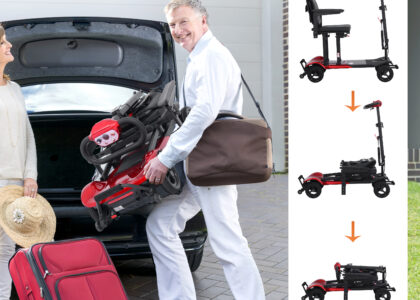
2. Foldable Mobility Scooters
- Lightweight and portable
- Easy to store and transport
- Ideal for travel and small spaces
3. Electric Mobility Scooters
- Powered by rechargeable batteries
- Designed for both indoor and outdoor use
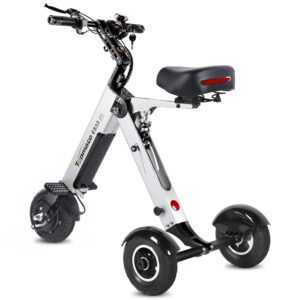
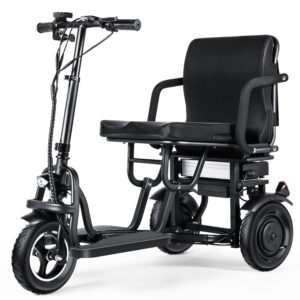
4. Electric Tricycles for Seniors
- Three-wheel design
- Better balance than bicycles
- Often used for longer distances
How They Differ from Vehicles
Mobility scooters are not the same as cars, motorcycles, or e-bikes:
- No fuel engine (electric only)
- Lower speeds
- Designed for accessibility, not transportation laws
- Typically used on sidewalks, not highways
Because of this, they are usually treated as assistive devices, not motor vehicles.
Do Seniors Need a License for a Mobility Scooter?
Direct Answer
No, in most cases, seniors do not need a mobility scooter license.
Why No License Is Required
Mobility scooters are generally classified as:
- Personal mobility aids
- Medical or assistive devices
This means they are not subject to the same licensing rules as cars or motorcycles.
Important Considerations
Even though a license is not required:
- Laws vary by country, state, or city
- High-speed scooters may fall under different rules
- Some regions may have age or usage guidelines
Practical Examples
- A senior using a portable mobility scooter in a shopping mall → No license required
- Riding on sidewalks in residential areas → No license required
- Using a high-speed scooter on public roads → May require additional rules or restrictions
Where Can Mobility Scooters Be Used Legally?
Mobility scooter regulations typically allow use in pedestrian-friendly areas.
Common Legal Areas
1. Sidewalks
- Most common place for mobility scooter use
- Must follow pedestrian rules
2. Shopping Malls & Indoor Spaces
- Allowed in most public buildings
- Speed must be very slow
3. Public Parks
- Generally permitted
- Stay on designated paths
4. Residential Communities
- Safe for short-distance travel
5. Roads & Bike Lanes (Limited Use)
- Allowed in some regions if no sidewalk is available
- Usually restricted to low-speed roads
Common Restrictions
- Highways and busy roads are usually prohibited
- Crowded areas require slower speeds
- Always yield to pedestrians
Mobility Scooter Speed Limits and Rules
Speed is a key part of mobility scooter safety.
Typical Speed Ranges
- Indoor use: 3–6 km/h
- Outdoor use: 6–10 km/h
- Some advanced models: up to 15 km/h
Why Speed Matters
- Reduces risk of accidents
- Improves control and stability
- Keeps pedestrians safe
Safety Rules
- Slow down in crowded areas
- Avoid sharp turns at high speed
- Maintain control at all times
Safety Requirements for Seniors
Using a mobility scooter safely is more important than licensing.
Essential Safety Tips
1. Safe Driving Practices
- Keep both hands on the handlebars
- Avoid distractions
2. Battery Maintenance
- Charge regularly
- Avoid overcharging
3. Night Visibility
- Use lights and reflectors
- Wear bright clothing
4. Braking System Awareness
- Test brakes before use
- Maintain proper stopping distance
5. Weather Precautions
- Avoid rain or slippery surfaces
- Be cautious on uneven terrain
6. Proper Seating & Stability
- Adjust seat height
- Sit upright for balance
7. Weight Limits
- Follow manufacturer guidelines
- Avoid overloading
Do Mobility Scooters Need Registration or Insurance?
Registration
In most cases:
- No registration is required
However, in some regions:
- High-powered scooters may require registration. mobility scooter license rules
Insurance
- Not usually mandatory
- Recommended for added protection
Why Insurance Helps
- Covers accidental damage
- Provides liability protection
- Offers peace of mind
Foldable Mobility Scooters and Travel Rules
Travel-friendly scooters have additional considerations.
Airline Rules
- Batteries must meet airline safety standards
- Lithium-ion batteries may have restrictions
- Always inform the airline in advance
Public Transport
- Most buses and trains allow foldable mobility scooters
- Must fit within size and weight limits
Travel Benefits
- Easy to carry
- Compact storage
- Ideal for vacations and daily commuting
Common Mistakes Seniors Should Avoid
Avoiding these mistakes improves safety and compliance:
- Driving too fast in crowded areas
- Ignoring battery care
- Using scooters on unsafe terrain
- Choosing the wrong scooter size
- Not checking local mobility scooter laws
Benefits of Mobility Scooters for Seniors
Mobility scooters provide significant advantages:
1. Increased Independence
Seniors can travel without assistance.
2. Better Daily Mobility
Easier to run errands and attend appointments.
3. Reduced Physical Strain
Less pressure on joints and muscles.
4. Improved Confidence
Encourages active and social lifestyles.
5. Easier Travel
Especially with portable mobility scooters.
Conclusion
Mobility scooters are designed to be simple, safe, and accessible, which is why most seniors do not need a license to use them. Instead of complex legal requirements, the focus is on responsible usage, safety awareness, and understanding local mobility scooter regulations.
For seniors and caregivers, the key takeaway is this:
Mobility scooters offer freedom and independence without the burden of licensing—making them an ideal solution for everyday mobility when used safely and correctly. mobility scooter license rules
Do seniors need a license for a mobility scooter?
No, seniors typically do not need a license because mobility scooters are classified as personal mobility aids, not motor vehicles.
Where can mobility scooters be used legally?
Mobility scooters are usually allowed on sidewalks, in shopping centers, parks, and residential areas. Some regions allow limited road use if no sidewalks are available.
Do mobility scooters require insurance?
Insurance is not mandatory in most areas, but it is recommended for protection against accidents, damage, or liability.
What are the speed limits for mobility scooters?
Most mobility scooters operate at 6–10 km/h outdoors and slower indoors to ensure safety in pedestrian areas.

-scaled-2-420x300.jpg)