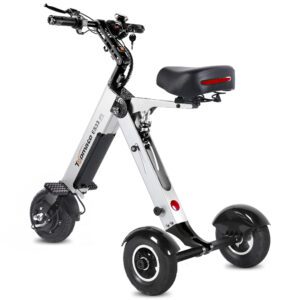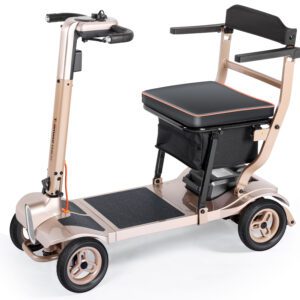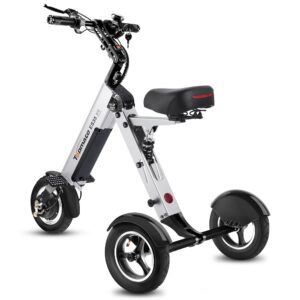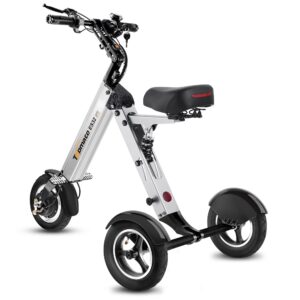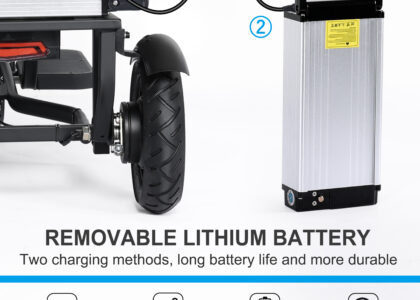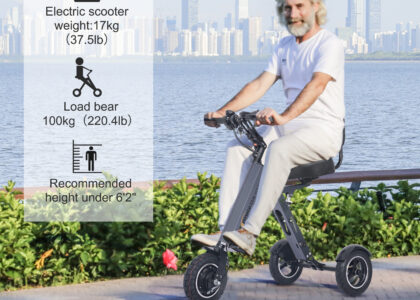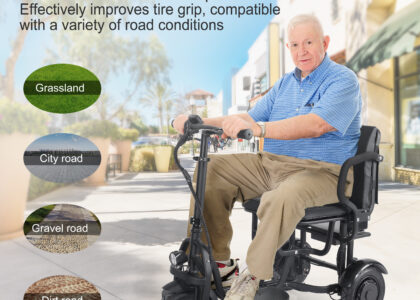
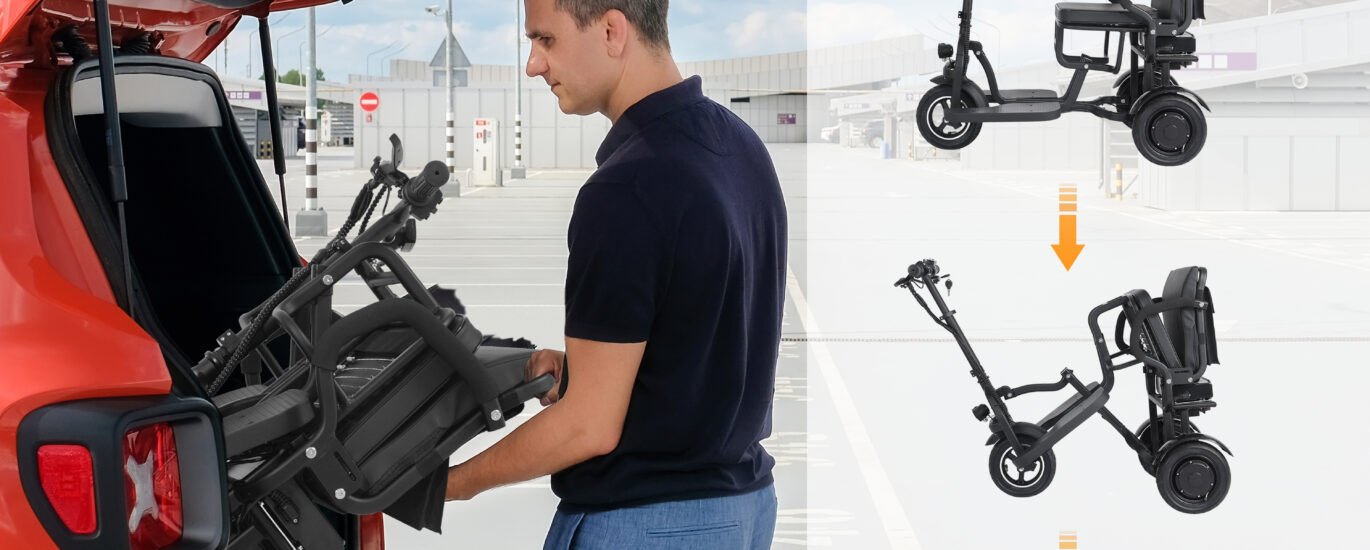
Road trips often include multiple stops: restaurants, scenic viewpoints, hotels, shopping areas, and tourist attractions. However, walking between these places can be tiring for older adults and adults with limited mobility. folding mobility scooter can provide convenient transportation at different destinations, making the journey easier. Instead of walking long distances, travelers can unfold the scooter after arriving and explore suitable areas. But are folding mobility scooters suitable for road trips? The answer depends on their portability, the space they require, their range per charge, and whether they meet your comfort needs. Yes. A folding mobility scooter can be very practical on a road trip because it can be folded and stored in the vehicle, then unfolded at your destination. It can help travelers reduce the amount of walking required to explore attractions, shopping areas, and outdoor locations. However, factors such as battery range, scooter weight, folded dimensions, and vehicle space need to be considered. Imagine a family planning a three-day trip that includes hotel stays and several sightseeing stops. One family member can walk short distances but has difficulty with extended outdoor activities. A folding scooter can help at different stages of the trip. For example, a traveler might use the scooter while sightseeing in the morning, fold it before returning to the car, and then use it again at an afternoon shopping destination. Remember that the scooter is for use at destinations. It is not a substitute for a proper passenger seat or vehicle safety equipment while the vehicle is moving. Although a scooter can fold into a compact shape, it may still take up a considerable amount of cargo space. Before choosing a model, measure your vehicle’s trunk opening, floor area, and available height. Also consider the space needed for luggage, groceries, and other travel supplies. For example, a family traveling in a compact car may have different luggage storage needs than someone traveling in an SUV. Always check the actual folded dimensions rather than assuming that every folding scooter will fit in a standard car trunk. Folding does not necessarily mean that a scooter is easy to lift. Check the scooter’s total weight, including the battery. Some manufacturers publish scooter weights without the battery, so the actual weight may be higher. Consider who will handle it. Can one person lift it easily? Will a caregiver help? Could a suitable loading ramp or other approved loading aid make transportation easier? A scooter that folds quickly may still be difficult to lift into a vehicle. Battery range is especially important on road trips that involve multiple stops. Estimate how far you expect to ride each day. Include distances between attractions, parking areas, and other places where you plan to use the scooter. Keep in mind that the range stated by the manufacturer does not guarantee the same distance in everyday use. Rider weight, terrain, temperature, speed, battery condition, and frequent stops can all affect range. Leave some battery capacity in reserve instead of planning to use the entire advertised range. Before departure, check the scooter’s charging method and battery requirements. Some models have removable batteries that can be charged separately. Other models may need to be charged through the charging port on the scooter. Bring the manufacturer-approved charger and confirm that your hotel or accommodation has a suitable power outlet. Do not assume that all mobility scooters use the same charging method or charging time. A short shopping trip and a full day of sightseeing place very different demands on a mobility scooter. Check the seat, back support, legroom, steering controls, and riding position. If possible, take a test ride before purchasing. Also consider the surfaces you may encounter. Smooth indoor floors, paved paths, and uneven outdoor roads may require different levels of comfort and support. Practice folding and unfolding the scooter before your trip. Check whether the process requires multiple steps, whether removable parts need to be detached, and whether tools are needed. Make sure you know how to lock the scooter securely in place. Practicing at home can prevent delays when you arrive at a busy attraction or hotel. After choosing a suitable scooter, prepare your vehicle before setting off. First, fold the scooter according to the manufacturer’s instructions. Remove detachable parts only if the manual recommends doing so. Next, place it securely in the trunk. Use an appropriate securing method to prevent it from moving during emergency braking or turns. Keep heavy objects away from sensitive components, controls, and the battery. The scooter should not obstruct the driver’s view, passenger seating, or access to safety equipment. If you are traveling with family, decide in advance who will be responsible for loading and unloading the scooter at each stop. This simple arrangement can make the trip more convenient. Always transport the scooter as cargo. Never ride it inside a moving vehicle. A simple habit of charging before bed can help prevent unexpected battery problems. Imagine returning to your hotel after visiting two attractions. Before preparing for the next day’s activities, check the remaining battery level of your mobility scooter. If charging is needed, follow the manufacturer’s instructions and connect the approved charger to a suitable power outlet. If your model supports battery removal, you may be able to charge the battery separately. Keep the charger somewhere easy to access rather than underneath your luggage. For international road trips, check outlet compatibility and charging requirements before departure. Use a suitable compatible power supply, and do not assume that every destination uses the same electrical system. Most importantly, plan charging around your expected daily use instead of waiting until the battery is nearly empty. Folding scooters are convenient, but they also have limitations. Limited trunk space can become an issue when several passengers are traveling with large pieces of luggage. Heavier models may require help when loading. In addition, some tourist attractions have uneven paths, steep slopes, or restrictions on scooter access. Weather can create additional challenges. Always check the manufacturer’s guidance before using the scooter in the rain or exposing its electrical components to moisture. Charging opportunities may be limited during long drives. Therefore, identify suitable charging locations before leaving your accommodation. Planning ahead can help travelers avoid many of these problems. The right choice depends on how often you travel and the level of support you need. A folding scooter may suit travelers who prioritize vehicle storage space. However, people who need a more comfortable seat or have difficulty lifting a scooter may prefer another design. Consider the following common travel scenarios: Weekend Family Road Trip:A folding scooter may be practical if the vehicle has enough storage space and the itinerary includes several sightseeing stops. Multi-Day Vacation:Consider battery range, charging convenience, and seat comfort for repeated daily use. Solo Traveler:Pay particular attention to loading weight and ease of folding. A model that requires assistance may not be suitable for someone traveling alone. Travelers with Compact Vehicles:Compare the folded dimensions with the available cargo space before purchasing. Full-Day Outdoor Sightseeing:Prioritize a comfortable seat, suitable tires, sufficient battery capacity, and compatibility with the terrain. The best choice is the model that meets your actual travel needs, not simply the one with the smallest folded dimensions. Before purchasing, compare the following specifications: For example, TopMate offers folding models with a variety of designs and specifications. TopMate ES15features a removable 36V 7.8Ah lithium battery, with an officially stated range of approximately 12.4–15.5 miles and a scooter weight of 56.88 lb without the battery. It may be a suitable option for travelers who want a folding three-wheel design and removable-battery charging. TopMate ES35comes with a removable 36V 7.8Ah battery and has an officially claimed range of approximately 15.53–18.64 miles. The current product catalog lists the scooter weight as 37.5 lb, but buyers should confirm the exact configuration and included components. TopMate ES36comes with a removable 36V 7.8Ah battery, has an officially stated range of 15.53–18.64 miles, and weighs 39.2 lb. Its folded dimensions are approximately 18.1 × 22.8 × 35.2 inches. TopMate ES40has a four-wheel design and a removable battery. Its manual lists folded dimensions of approximately 40.16 × 18.1 × 16.5 inches and a weight of 38.36 lb without the battery. The standard 24V 10.4Ah battery provides a range of approximately 9 miles, while the optional 20.8Ah battery can provide up to 18 miles under certain conditions. These examples show why buyers should compare the full specifications rather than choosing based only on the folding design. A folding mobility scooter can make road trips more convenient by reducing the amount of walking required at tourist attractions, shopping areas, and accommodations. However, a successful trip depends on proper preparation. Measure your vehicle, check the scooter’s actual weight, plan battery charging, and make sure the model you choose meets your comfort and travel needs. Yes, many folding mobility scooters can fit in a car trunk. However, compatibility depends on the scooter’s folded dimensions, the trunk opening, and available cargo space. Measure your vehicle and account for luggage before choosing a model. The distance depends on the scooter’s stated range and real-world conditions. Rider weight, terrain, temperature, speed, and riding habits can affect range. Check the battery level after each day’s activities and arrange charging at your hotel or accommodation. Use the manufacturer-approved charger and follow the recommended charging instructions. If the battery is removable, check whether your model supports separate battery charging.
Can You Use a Folding Mobility Scooter During a Road Trip?
How Does a Folding Mobility Scooter Fit into a Road Trip?
6 Things to Check Before Taking a Folding Mobility Scooter on a Road Trip
1. Folded Dimensions and Vehicle Storage Space
2. Scooter Weight and Loading
3. Battery Range and Daily Travel Distance
4. Charging the Battery During the Trip
5. Comfort During Extended Sightseeing
6. Ease of Folding and Unfolding
How to Transport a Folding Mobility Scooter Safely by Car
How to Plan Battery Charging on a Multi-Day Road Trip
What Challenges Should Road Trip Travelers Expect?
Folding Mobility Scooter vs. Full-Size Mobility Scooter (Road Trips)
Travel Consideration
Folding Mobility Scooter
Full-Size Mobility Scooter
Vehicle Storage
Usually more compact when folded
Usually requires more cargo space
Transportation
Folding design makes storage easier
May require disassembly or special transportation
Loading
Depends on weight and design
May require additional assistance
Sightseeing
Suitability depends on range and comfort
May offer a different seating and riding experience
Accommodation Storage
Usually requires less space
May require more storage space
Long-Distance Travel
Depends on the battery and design
Depends on the specific specifications
Is a Folding Mobility Scooter Right for Your Road Trip?
What Should You Check Before Choosing a Folding Mobility Scooter for Travel?
Final Thoughts
Frequently Asked Questions
Can a folding mobility scooter fit in a car trunk?
How far can you travel on a folding mobility scooter during a road trip?
How far can you travel on a folding mobility scooter during a road trip?
Toggle title
Should you remove the battery before transporting a folding mobility scooter?
Toggle title
How do you charge a mobility scooter during a multi-day road trip?
About the Author