
Imagine driving your mobility scooter through your home. It moves quietly in a straight line, but as soon as you turn into a hallway or move around furniture, you hear a clicking, squeaking, or grinding sound.
This can be concerning, especially when the scooter otherwise appears to work normally.
A mobility scooter making noise during turns may have an issue with its steering components, wheels, bearings, brakes, or other mechanical parts. However, the sound does not always indicate a serious problem.
Understanding when the noise occurs and how the scooter behaves can help you identify possible causes. It can also help you decide whether a simple visual inspection is enough or whether you need professional servicing.
Is It Normal for a Mobility Scooter to Make Noise While Turning?
Some minor tire and mechanical sounds can occur when a mobility scooter changes direction. However, persistent clicking, grinding, squeaking, knocking, or scraping noises should not automatically be considered normal.
The sound’s type, frequency, and location can provide useful clues. If the scooter also becomes difficult to steer, vibrates, or pulls to one side, arrange a professional inspection before continuing to ride.
7 Common Reasons a Mobility Scooter Makes Noise While Turning
Several mechanical components can produce unusual sounds when a scooter changes direction. Here are seven possibilities worth understanding.
1. Worn or Damaged Steering Components
The steering system helps the front wheel or wheels respond when you move the handlebars. Depending on the scooter’s design, it may include joints, linkages, bearings, and other connecting parts.
Over time, regular use can wear these components. A loose or damaged connection may produce clicking, knocking, or squeaking sounds during turns.
You might notice the steering feels less smooth than usual or requires more effort to change direction.
Do not attempt to dismantle the steering assembly. A technician can inspect the connections and determine whether adjustment or replacement is necessary.
2. Loose Bolts, Fasteners, or Connections
Mobility scooters experience vibration during everyday travel. Repeated use can contribute to loose fasteners or connections.
When you turn, the movement may make an already loose component shift slightly, creating rattling or knocking sounds.
Pay attention if the noise also occurs when riding over small bumps or uneven surfaces.
Check for visibly loose external components, but avoid tightening unfamiliar bolts. Some fasteners require specific tightening procedures, so follow the manufacturer’s maintenance instructions.
3. Tire Rubbing or Uneven Tire Wear
A tire can sometimes rub against a nearby component when the scooter turns, particularly if alignment, clearance, or another component has changed.
Look for unusual marks, damaged tire edges, cracks, or uneven wear.
A faint tire sound during movement is different from persistent scraping. If you notice repeated rubbing or visible damage, stop using the scooter until the cause has been checked.
4. Worn Bearings or Wheel Components
Wheel bearings help wheels rotate smoothly. If a bearing becomes worn or damaged, it may produce humming, clicking, or grinding noises.
The sound may become more noticeable when the scooter changes direction because the forces acting on the wheels change.
You may also notice rough wheel movement or unusual vibration.
Bearing problems require proper inspection. Avoid attempting to remove or replace wheel components unless you have the appropriate technical knowledge and manufacturer instructions.
5. Suspension or Front-Fork Problems
Some mobility scooters include suspension components that help absorb movement from uneven surfaces.
Worn joints or damaged suspension connections may create squeaking or knocking noises when the scooter turns.
The noise may become more noticeable when navigating rough pavement, driveway entrances, or small surface changes.
Not every mobility scooter has suspension, so the inspection should match the scooter’s actual design.
6. Brake Components Creating Friction
A brake that does not release correctly may create continuous rubbing or scraping sounds.
Other warning signs can include unusual resistance, reduced movement, difficulty steering, or excessive heat near the affected component.
Brakes are essential safety equipment. Never bypass, disconnect, or adjust braking components without appropriate technical guidance.
Arrange a professional inspection if you suspect a brake problem.
7. Drivetrain or Motor-Related Noise
The motor and drivetrain help transfer power to the wheels. Depending on the scooter’s design, problems involving the motor, gearbox, or related components may produce clicking or grinding sounds.
These noises can sometimes become more noticeable when the scooter changes direction or experiences a change in load.
However, not every turning noise comes from the motor. A technician should inspect the drivetrain and other possible sources before recommending repairs.
What Does the Type of Turning Noise Tell You?
The sound can help narrow down the possible problem, although it cannot confirm a mechanical fault on its own.
| Type of noise | Possible cause | What to observe |
|---|---|---|
| Clicking | Steering joints or loose parts | Does it repeat during turns? |
| Squeaking | Friction or worn joints | Does it occur during slow turns? |
| Grinding | Bearings, brakes, or drivetrain | Does movement feel restricted? |
| Scraping | Tire rubbing or mechanical contact | Are there visible rubbing marks? |
| Knocking | Loose or worn components | Does uneven ground make it louder? |
| Rattling | Loose fasteners or components | Does vibration increase the noise? |
These are possible explanations, not confirmed diagnoses. A technician may need to inspect the scooter to identify the exact cause.
Does the Noise Happen Only During Sharp Turns or Even Gentle Turns?
The situation in which the sound occurs can provide additional information.
- Tight indoor turns: Noise while navigating narrow hallways or furniture may indicate tire clearance, steering, or wheel-related issues.
- Wide outdoor turns: If the sound appears during gradual turns, investigate possible wheel, bearing, or steering problems.
- Uneven surfaces: A knocking or squeaking sound that increases over bumps may involve suspension or loose mechanical components.
- While stationary: If turning the handlebars produces noise without moving, the steering assembly may need inspection.
- Alongside steering difficulty: Stiff steering or unexpected pulling deserves particular attention because it may affect safe control.
Do not repeatedly recreate a suspicious noise to investigate it. Record when it occurs and share that information with a repair technician.
Safe Checks You Can Perform Before Visiting a Repair Technician
You can perform a few basic visual checks without dismantling the scooter.
Before starting, switch off the scooter and follow the manufacturer’s safety instructions.
Use this checklist:
-
Examine visible tires for cracks, damage, or uneven wear.
-
Look for rubbing marks around the wheels.
-
Check the front-wheel area for visible debris or obstructions.
-
Look for loose or hanging external components.
-
Inspect accessible steering components for visible damage.
-
Check the display for warning lights or error messages.
-
Review the manufacturer’s manual for model-specific maintenance instructions.
Avoid opening electrical housings, dismantling the steering assembly, applying lubricant to unknown components, or adjusting brakes yourself.
If you cannot identify the problem through a visual inspection, seek professional assistance.
When Should You Stop Using the Mobility Scooter?
Some unusual sounds indicate a problem that could affect safe operation.
Stop riding and arrange professional inspection if you notice:
- Loud or repeated grinding noises.
- Steering that becomes stiff or difficult.
- Wheels that wobble or appear misaligned.
- Sudden knocking or persistent scraping.
- The scooter pulling unexpectedly to one side.
- Burning smells or unusual heat near mechanical components.
- Visible damage to wheels, steering, or braking parts.
If the steering or braking system appears unsafe, do not continue riding until a qualified technician checks the scooter.
How Can You Prevent Unusual Turning Noises?
Regular maintenance can help you identify developing problems before they become more serious.
Consider these habits:
Inspect the tires regularly: Look for cracks, damage, and uneven wear.
Keep visible components clean: Remove dirt and debris from accessible areas, following the manufacturer’s cleaning instructions.
Follow the maintenance schedule: Check your manual for recommended inspections and servicing intervals.
Avoid overloading: Stay within the scooter’s rated weight capacity.
Choose suitable surfaces: Use the scooter on surfaces appropriate for its design and capabilities.
Arrange early servicing: Do not ignore new clicking, grinding, or repeated squeaking sounds.
A consistent maintenance routine can support smoother operation and help reduce unexpected repair needs.
What Should You Check Before Buying a Mobility Scooter?
Turning performance and maintenance requirements deserve attention when comparing mobility scooters.
Before purchasing, consider:
- Steering design: Check whether the steering arrangement feels comfortable and manageable.
- Wheel construction: Compare tire type, wheel size, and suitability for your usual surfaces.
- Turning radius: Make sure the scooter can navigate your regular indoor and outdoor spaces.
- Suspension: Check whether the model includes suspension and what it is designed to do.
- Replacement parts: Confirm that essential components are available.
- Maintenance instructions: Look for clear manufacturer guidance.
- Warranty and after-sales service: Understand the available support if mechanical problems develop.
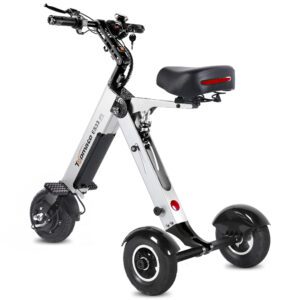
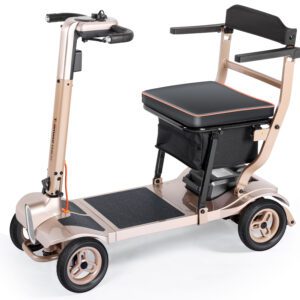
TopMate offers several folding mobility scooter models, including the ES15, ES15P, ES35, ES36, and ES40. Buyers should compare each model’s officially published specifications, design, intended use, and available maintenance support rather than assuming that one model is free from mechanical noise.
The best choice is a scooter that suits your daily environment and provides access to appropriate servicing when needed.
Final Thoughts
A mobility scooter making noise while turning may have an issue involving its steering, tires, bearings, brakes, suspension, or drivetrain.
The important thing is not to assume that every sound has the same cause. Pay attention to when the noise occurs, check for visible damage, and avoid unsafe DIY repairs.
Most importantly, take steering and braking problems seriously. Early professional inspection can help protect your safety and keep your mobility scooter working reliably.
FAQ
Why does my mobility scooter click when I turn?
A clicking sound during turns may come from worn steering joints, loose mechanical components, or wheel-related problems. Notice whether the sound repeats with each turn or occurs alongside steering difficulty. A professional inspection can identify the affected component.
Why does my mobility scooter squeak when turning slowly?
A mobility scooter may squeak during slow turns because of friction, worn joints, suspension connections, or other moving components. The exact cause depends on the scooter’s design. Persistent squeaking deserves inspection, particularly if steering becomes difficult.
Is it safe to use a mobility scooter that makes grinding noises?
Grinding noises should never be ignored. They may indicate damaged bearings, brake friction, or drivetrain problems. If the scooter also vibrates, resists movement, or becomes difficult to steer, stop riding and arrange a professional inspection.
How much does it cost to repair a noisy mobility scooter steering system?
Repair costs depend on the affected component, scooter model, replacement-part availability, and local service rates. A minor adjustment may require less work than replacing damaged steering or wheel components. Request a diagnosis and repair estimate before approving the work.