Choosing a mobility scooter involves more than checking its speed, range, weight, or folding mechanism. Battery access can also affect how comfortably you use and charge it every day.
Imagine returning home after a shopping trip. Your scooter stays in the garage, but the nearest electrical outlet is inside your apartment. Would you rather bring the entire scooter indoors or remove its battery and charge it separately? This is where battery design becomes an important buying consideration.
Quick Answer: A removable battery mobility scooter allows you to take the battery off the scooter and charge it separately, making it useful when parking near an electrical outlet is difficult. A built-in battery generally suits people who have a convenient charging location and prefer not to handle a separate battery. The better choice depends on your home, physical ability, and charging routine.
What Is the Difference Between a Removable and Built-In Mobility Scooter Battery?
The main difference is how you access and charge the battery.
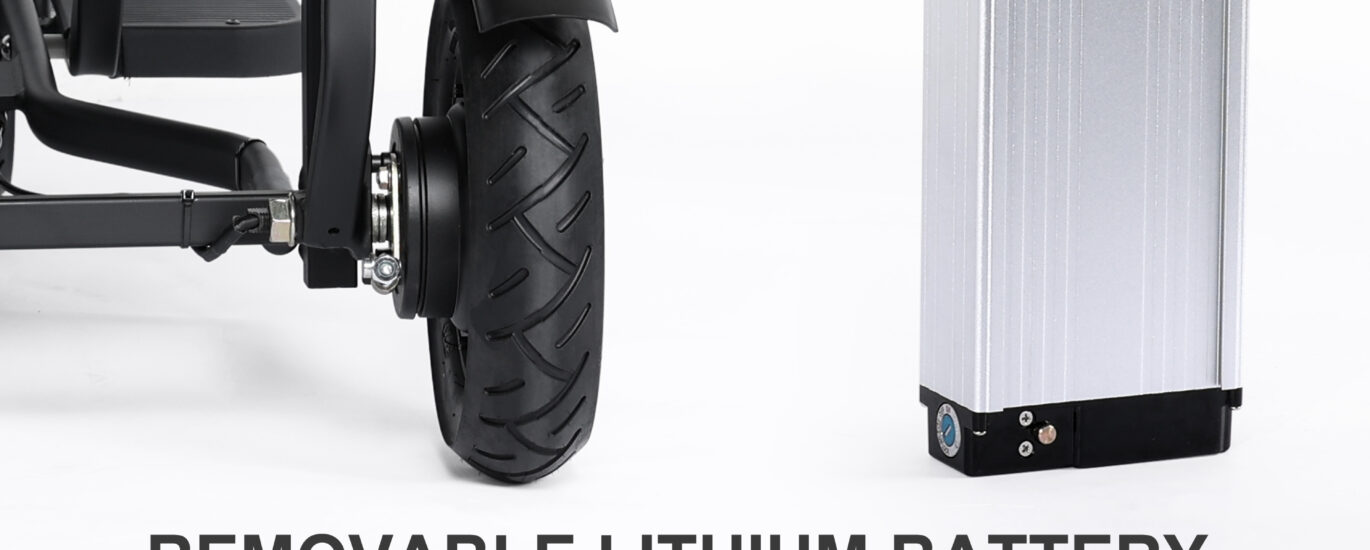
A removable battery sits in a dedicated compartment and can be detached using the manufacturer’s specified procedure. Depending on the model, you can charge it separately indoors or leave it installed and connect the charger to the scooter.
A built-in battery stays inside the scooter during normal charging. You connect the approved charger to the scooter’s charging port without removing the battery.
Neither arrangement automatically means better battery performance. Battery capacity, chemistry, quality, and charging technology matter separately.
For example, a scooter with a removable lithium battery may have less capacity than another scooter with a built-in battery. Therefore, compare the actual specifications rather than choosing based on battery access alone.
When Does a Removable Battery Actually Make Life Easier?
The biggest advantage is charging flexibility. You do not always need to bring the entire scooter to the electrical outlet.
Consider these situations.
Apartment living: Suppose you keep your scooter in a ground-floor storage area but live on the third floor. If the scooter cannot conveniently reach a charging point, removing its battery may allow you to charge it inside your apartment.
Garage or shared parking: Someone who parks a scooter in a communal garage may not have access to a suitable electrical socket. A removable battery can make indoor charging more practical.
Limited storage space: You might prefer to keep your folded scooter in a cupboard or designated storage area while charging its battery elsewhere.
Caregiver assistance: A family member can remove the battery and take it to a charging location without moving the complete scooter.
However, there is one important limitation: you must still carry the battery. Check its actual weight, handle design, locking mechanism, and removal procedure.
A battery that feels manageable in a product demonstration may become uncomfortable when you need to carry it regularly. If you have limited hand strength, shoulder discomfort, or difficulty bending, ask someone to demonstrate the process before purchasing.
When Is a Built-In Battery the More Practical Choice?
A built-in battery can simplify everyday charging when your scooter has a permanent parking location near a suitable outlet.
For example, imagine keeping your mobility scooter in a ground-floor garage with an accessible charging socket. After returning home, you can connect the charger directly without unlocking, lifting, or reinstalling the battery.
This arrangement may suit people who:
- Have a dedicated scooter parking area.
- Prefer fewer charging steps.
- Cannot comfortably lift a separate battery.
- Rarely need to charge away from the scooter.
However, battery access deserves attention. Some built-in designs require a technician or additional disassembly when the battery needs servicing or replacement. Others provide straightforward service access.
Therefore, ask the manufacturer how battery replacement works and whether an authorized service centre can handle it.
Five Questions to Ask Before Choosing Your Battery Type
Before purchasing, think about your actual daily routine rather than relying on product descriptions.
1. Can you park your scooter near an electrical outlet?
If your parking space has a suitable socket, charging the complete scooter may be straightforward. If not, a removable battery could provide more flexibility.
2. Can you comfortably lift and carry the battery?
Check the battery’s weight rather than the scooter’s advertised weight. Consider whether you can lift it repeatedly without assistance.
3. Do you need to charge away from the scooter?
Frequent charging in an apartment, office, or another indoor location may make a detachable battery more useful.
4. How easy is removal and reinstallation?
Ask for a demonstration. Check whether you need a key, special tools, or considerable physical effort. The battery should lock securely after installation.
5. What will replacement and servicing involve?
Ask about replacement battery availability, compatible models, warranty coverage, and service arrangements. A convenient removal mechanism is less useful if obtaining a replacement becomes difficult.
Removable vs. Built-In Batteries: What Should You Compare?
| Buying factor | Removable battery | Built-in battery |
|---|---|---|
| Charging location | Can charge separately if supported | Usually charges on the scooter |
| Charging convenience | Flexible when outlets are distant | Convenient near a permanent outlet |
| Battery handling | Requires lifting and carrying | No routine removal required |
| Storage flexibility | Battery can be stored separately as permitted | Battery remains in the scooter |
| Incorrect installation | Possible if poorly reinstalled | No routine reinstallation |
| Replacement access | Often easier to access, depending on design | May require additional servicing |
| Daily maintenance | Requires attention to connectors and locking | Fewer removal-related steps |
These are general tendencies, not universal rules. Some removable batteries are heavy, while some built-in batteries are straightforward for technicians to replace.
Battery Safety: What Buyers Should Check Before Purchasing
Battery convenience should never come at the expense of safe charging.
Check these details before buying:
- Approved charger: Use the charger specified or approved by the manufacturer.
- Correct compatibility: Confirm the replacement battery matches the scooter’s required voltage, chemistry, connector, and specifications.
- Secure locking: A removable battery should sit firmly in its compartment and lock correctly.
- Charging location: Follow the manual’s requirements for ventilation, temperature, moisture protection, and charging supervision.
- Battery condition: Do not charge or use a damaged, swollen, leaking, or unusually hot battery.
- Installation procedure: Switch off the scooter and follow the manufacturer’s removal and installation instructions.
Frequent travelers should also check lithium battery transportation rules. A removable battery is not automatically airline-approved. Capacity, watt-hour rating, battery protection, airline requirements, and applicable regulations all matter.
What Should You Check on a Folding Mobility Scooter?
A folding mobility scooter needs additional consideration because battery placement can affect folding and transportation.
Before buying, check whether the battery must be removed before folding or whether it can remain attached. Some models have specific folding instructions that require battery removal.
Also consider:
- Does the battery lock securely during transportation?
- What is the scooter’s weight with and without the battery?
- Can you access the charging port without unfolding the scooter?
- Are the folded dimensions manageable for your storage space?
- Can you charge the battery separately without special equipment?
Do not assume that every folding mobility scooter has a detachable battery. Folding design and battery design are separate product features.
How to Choose the Right Battery Configuration for Your Lifestyle
The right arrangement becomes clearer when you consider where and how you use your scooter.
For apartment residents: A removable battery can be useful when the scooter stays in a shared storage area or garage without convenient charging access.
For garage users: If your garage has an accessible electrical outlet, either configuration may work. Choose based on whether you prefer charging the scooter directly or carrying its battery indoors.
For seniors with limited lifting ability: A built-in arrangement may reduce daily handling. However, check whether the complete scooter is easy to position near the charging point.
For frequent travelers: Prioritize battery documentation, weight, removal instructions, and airline compatibility. Removability alone does not guarantee permission to fly.
For people with permanent parking: A built-in battery may offer a simpler routine when the scooter always stays near a suitable outlet.
How TopMate’s Folding Scooters Fit Into This Decision
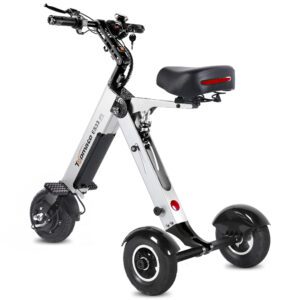
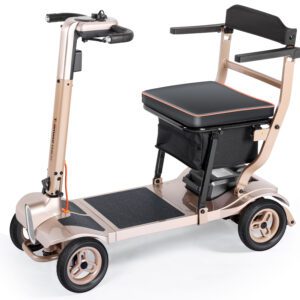
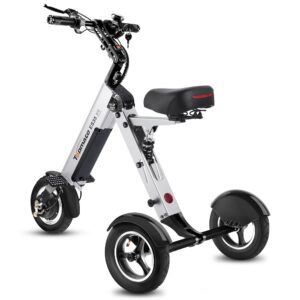
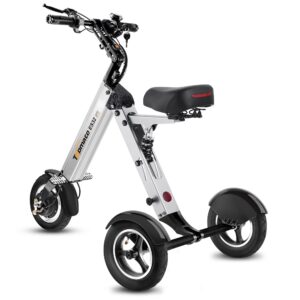
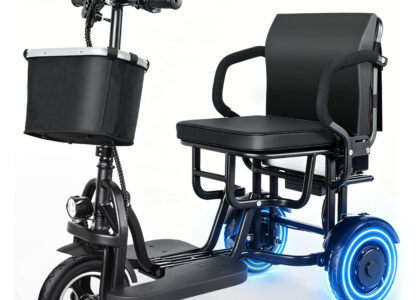
TopMate offers several folding scooter models with removable battery arrangements. For example, the ES15, ES35, and ES36 product information identifies removable lithium batteries. The ES40 user manual also describes a battery that can be removed for charging.
This arrangement can help people who want to charge the battery separately without moving the entire scooter. However, battery capacity, weight, and specifications differ between models.
Before choosing, review the individual product page and owner’s manual. Confirm the battery configuration of the exact version you intend to purchase, especially when comparing different battery options.
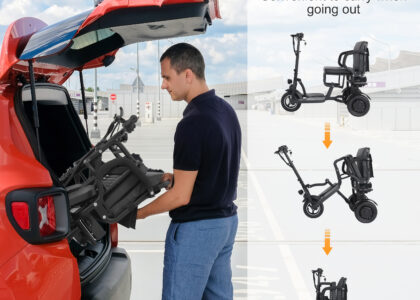
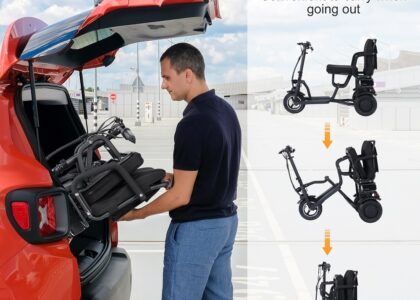
TopMate’s folding design may also help with car transportation and storage, but buyers should evaluate the scooter’s total carrying weight separately from its battery weight.
Final Buying Advice
A removable battery mobility scooter can make everyday charging easier when your scooter cannot stay near an electrical outlet. However, the additional flexibility only helps if you can comfortably remove, carry, and reinstall the battery.
A built-in battery may be the simpler option when you have a convenient parking and charging location and want fewer handling steps.
Before deciding, picture your normal routine: where the scooter will stay, who will charge it, how often you will travel, and whether lifting the battery is comfortable. The best battery configuration is the one that makes ownership easier, not simply the one with more features.
FAQ
Can you charge a mobility scooter battery without the scooter?
Yes, if the manufacturer designs the scooter with a removable battery and supports separate charging. Remove the battery according to the owner’s manual and use its approved charger. Some models also allow charging while the battery remains installed.
Are removable mobility scooter batteries better for apartments?
They can be more convenient for apartment residents who store their scooters away from electrical outlets. You can carry the battery indoors instead of moving the entire scooter. However, check its weight and whether you can handle it safely and comfortably.
Is a built-in mobility scooter battery harder to replace?
It depends on the scooter’s construction. Some built-in batteries require additional disassembly or professional servicing, while others provide straightforward access. Before purchasing, ask the manufacturer about replacement procedures, service availability, compatible batteries, and warranty coverage.
Can you take a removable mobility scooter battery on an airplane?
Not automatically. Airlines consider the battery’s watt-hour rating, design, installation, protection, and applicable aviation regulations. You must contact the airline in advance, provide the battery specifications, and obtain any required approval. Never assume that removability alone makes a battery suitable for air travel.