Introduction
RV travel gives people the freedom to explore new destinations while maintaining many of the comforts of home. Whether you’re taking weekend camping trips, visiting national parks, spending winters in warmer climates, or living in an RV full-time, mobility often plays a major role in the overall travel experience.
Although RV vacations are enjoyable, they frequently involve more walking than travelers initially expect. Campgrounds, RV resorts, visitor centers, shopping districts, and tourist attractions can require significant movement throughout the day. As a result, some travelers find themselves spending more energy getting from place to place than enjoying the destination itself.
Fortunately, mobility scooters can help reduce fatigue while supporting independence. However, selecting the right model requires careful planning. Storage limitations, loading convenience, battery performance, and comfort all become important considerations when traveling in an RV.
Why Are Mobility Scooters Popular Among RV Owners?
Unlike traditional vacations, RV travel often combines transportation, sightseeing, shopping, and outdoor recreation into a single experience. Consequently, travelers may cover substantial distances during a typical day. Mobility Scooter for RV Owners
Consider a large RV resort. Clubhouses, swimming pools, fitness centers, laundry facilities, and restaurants may be spread throughout the property. Meanwhile, nearby attractions often require additional walking after leaving the campground.
Similarly, national parks frequently involve visitor centers, scenic overlooks, museums, and educational exhibits located across large areas. Because these destinations encourage exploration, walking distances can add up quickly.
Rather than limiting activities due to fatigue, many travelers choose a mobility scooter to remain active throughout their trip.
How Much Walking Is Involved During RV Travel?
One of the most common questions RV owners ask is whether a mobility scooter will actually make a meaningful difference.
In many situations, the answer is yes.
RV Resort Example
Large RV resorts can cover dozens or even hundreds of acres. Therefore, daily transportation often becomes part of the camping experience itself.
A typical day may include trips between:
- Campsite and clubhouse
- Campsite and swimming pool
- Campsite and restaurant
- Campsite and recreation center
- Campsite and community events
Over the course of a day, total travel distance can easily reach 1 to 3 miles.
National Park Example
National parks present a different challenge. Instead of repeated short trips, visitors often spend hours exploring attractions spread across larger areas.
Activities may include:
- Scenic overlooks
- Visitor centers
- Educational exhibits
- Historical landmarks
- Campground facilities
Consequently, mobility support becomes increasingly valuable during full-day excursions.
Downtown Exploration Example
Historic districts, waterfront attractions, and shopping areas are also popular among RV travelers.
While exploring these locations, visitors often walk between restaurants, stores, museums, and entertainment venues. As a result, total travel distances frequently range between 1 and 4 miles during a single outing.
What Does Battery Range Mean in Real-World RV Travel?
Battery range is one of the first specifications buyers examine. Nevertheless, range estimates become more meaningful when connected to actual travel activities.
Campground Transportation
Imagine spending a week at a large destination campground.
Throughout the day, you may travel to:
- Activity centers
- Pool areas
- Laundry facilities
- Restaurants
- Community events
Because these trips occur repeatedly, reliable battery performance often matters more than achieving maximum distance in a single ride.
Grocery Shopping Trips
In addition to campground use, many RV owners rely on their scooter for errands.
A typical shopping trip may involve navigating parking lots, store aisles, checkout areas, and loading zones. Therefore, buyers frequently look for a scooter that serves both travel and everyday mobility needs.
Sightseeing Days
Tourist attractions often require extended scooter use.
For instance, a visit to a botanical garden, zoo, aquarium, or waterfront district may involve several hours of continuous movement. Under those circumstances, comfort and battery performance become equally important.
What Factors Affect Range?
Several variables influence real-world battery performance:
- Rider weight
- Terrain conditions
- Wind resistance
- Outdoor temperature
- Riding speed
- Cargo weight
While flat campground roads generally support efficient operation, hills and uneven surfaces can reduce overall range.
ES15 vs ES35 vs ES36: Which Model Fits Your RV Lifestyle?
Choosing a scooter becomes easier when you focus on how you plan to use it rather than comparing specifications alone.
Choose the ES15 If Portability Is Your Priority
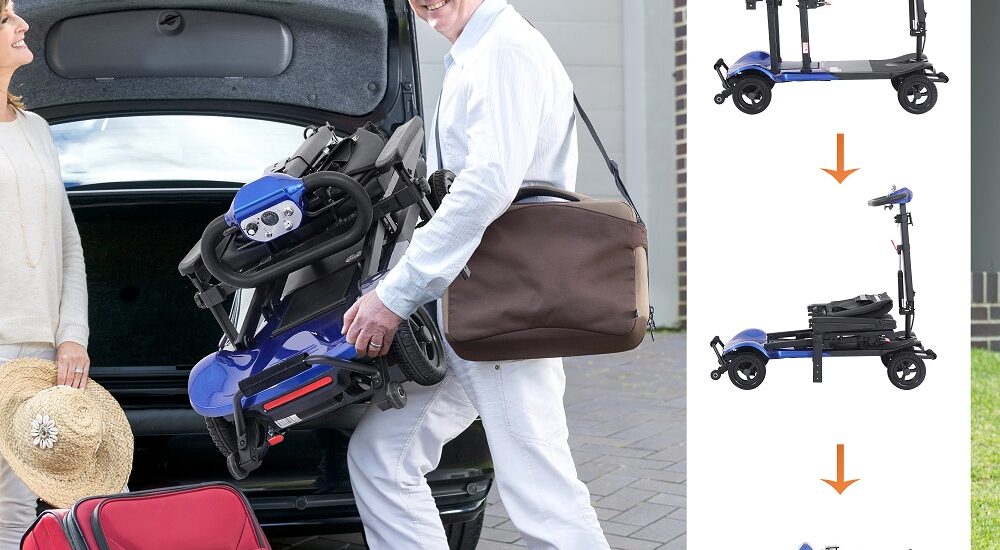
Travelers who frequently relocate between campgrounds often value compact storage and easy transportation.
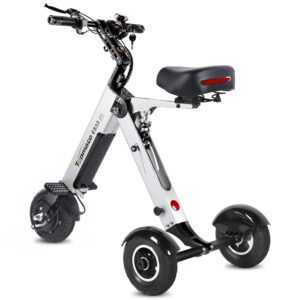
Because RV storage compartments are limited, the ES15 may appeal to users seeking a highly portable option. Furthermore, loading and unloading can become easier when traveling regularly.
Choose the ES35 If You Want One Scooter for Everything
Some buyers need a scooter that works equally well during vacations and everyday errands.
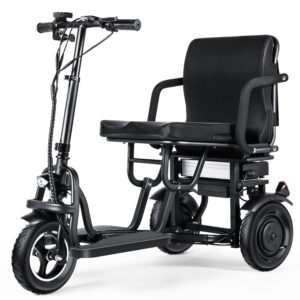
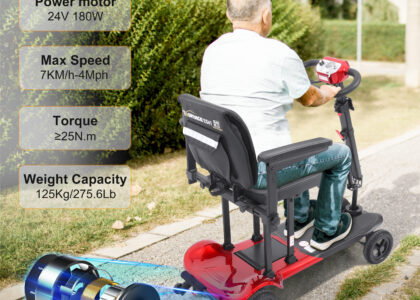
In that situation, the ES35 provides a balance between portability and daily practicality. Besides supporting campground transportation, it can also be useful for grocery shopping, doctor appointments, and neighborhood travel.
Choose the ES36 If Comfort Matters Most
Extended sightseeing days place additional demands on riders.
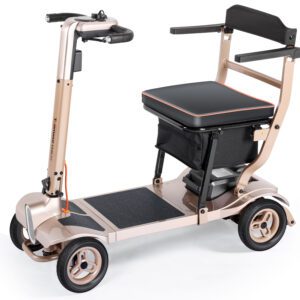
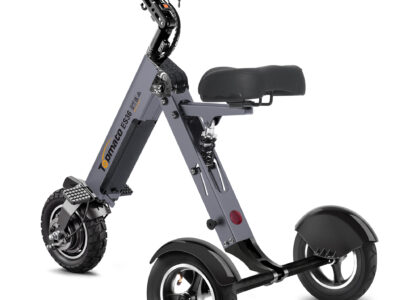
For that reason, comfort-focused travelers often pay closer attention to seating and ride quality. Moreover, full-time RV residents may appreciate features that support longer periods of use.
Real-Life RV Travel Scenarios
Seasonal Snowbird Travel
Many retirees travel between northern and southern regions throughout the year.
During these trips, mobility scooters are often used at RV parks, shopping centers, restaurants, and tourist attractions. Therefore, portability becomes especially valuable when moving frequently.
Full-Time RV Living
Unlike occasional vacationers, full-time RV residents may rely on their scooter every day.
Tasks such as mail pickup, campground transportation, community activities, and local errands can all become easier with reliable mobility support.
National Park Road Trip
A multi-state adventure often includes numerous stops along the way.
Meanwhile, scenic destinations may require extensive exploration once travelers arrive. Consequently, both battery performance and rider comfort become important considerations.
Coastal Boardwalk Vacation
Waterfront destinations remain popular among RV travelers.
Restaurants, shops, entertainment venues, and scenic viewpoints are often spread across long boardwalks. As a result, reducing walking fatigue can help visitors enjoy more of the experience.
Final Verdict
No single mobility scooter is ideal for every RV owner. Instead, the best choice depends on travel frequency, storage limitations, comfort preferences, and daily mobility needs.
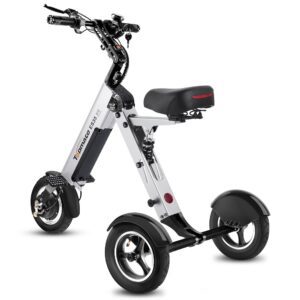
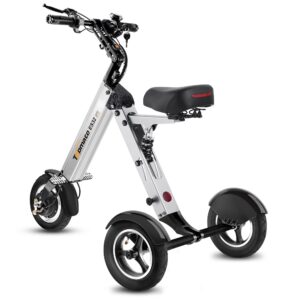
If compact storage is the highest priority, the TopMate ES15 deserves consideration. Meanwhile, travelers seeking a balance between portability and everyday practicality may find the ES35 appealing. In contrast, comfort-focused users who spend longer periods riding may prefer the ES36.
Ultimately, evaluating how you travel—not just where you travel—will lead to a more practical decision. By considering campground transportation, sightseeing activities, shopping trips, and everyday mobility together, you can select a scooter that supports both independence and enjoyment throughout your RV adventures.
FAQ
What is the best mobility scooter for RV owners?
The best mobility scooter for RV owners depends on storage space, travel frequency, and comfort needs. Many RV travelers choose between the TopMate ES15, ES35, and ES36 based on portability and daily usage requirements.
Can a mobility scooter fit inside an RV?
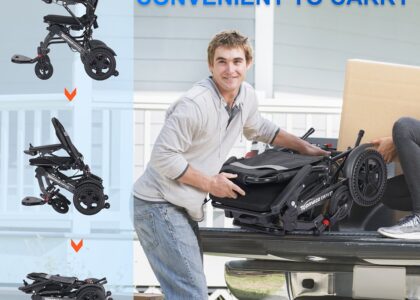
Yes. Many folding mobility scooters are designed to fit inside RV storage compartments, cargo bays, SUVs, or truck beds, although available space varies by RV model.
Is a folding mobility scooter better for RV travel?
In most cases, folding mobility scooters are easier to store and transport during RV trips because they take up less space and simplify loading and unloading.
Can I use a mobility scooter for campground transportation and daily errands?
Yes. Many RV owners use their mobility scooter for campground travel, grocery shopping, doctor appointments, sightseeing, and other everyday activities.