Introduction
Mobility scooters can help individuals maintain independence, travel comfortably, and participate in daily activities with greater ease. However, one of the first decisions many shoppers face is whether to buy a mobility scooter or rent one.
The right choice depends on several factors, including how often you plan to use the scooter, your budget, travel habits, storage space, and long-term mobility needs.
For some users, renting offers flexibility and lower upfront costs. For others, purchasing provides convenience, availability, and long-term value.
Quick Answer
If you need a mobility scooter for a few days, weeks, or an occasional trip, renting is often the more practical option. If you expect to use a scooter regularly for months or years, purchasing typically becomes more cost-effective over time. Buying provides immediate access, personalized comfort, and long-term convenience, while renting reduces upfront expenses and maintenance responsibilities. The best choice depends on how frequently you will use the scooter, where you plan to travel, your budget, and whether your mobility needs are temporary or ongoing.
Product Comparison Snapshot
| Feature | Buying a Mobility Scooter | Renting a Mobility Scooter |
|---|---|---|
| Upfront Cost | Higher | Lower |
| Long-Term Cost | Usually lower over time | Can become expensive |
| Availability | Always available | Depends on inventory |
| Maintenance | Owner responsibility | Rental company responsibility |
| Customization | Personal preferences | Limited options |
| Travel Convenience | Bring your own scooter | Rent at destination |
| Storage Requirements | Required | Not required after rental |
What Does It Mean to Buy a Mobility Scooter?
Direct Answer
Buying a mobility scooter means purchasing a scooter for personal ownership and long-term use.
Once purchased, the scooter is available whenever needed without reservations or rental agreements.
Owners can choose a model that matches their specific needs, including:
- Seat size
- Weight capacity
- Battery range
- Folding capability
- Indoor or outdoor use
Purchasing is often considered by individuals who expect ongoing mobility needs.
What Does It Mean to Rent a Mobility Scooter?
Renting a mobility scooter involves paying a daily, weekly, or monthly fee to use a scooter temporarily.
Rental services are commonly available at:
- Tourist destinations
- Theme parks
- Cruise ports
- Airports
- Medical equipment providers
- Vacation locations
Renting can be useful when mobility assistance is only needed for a short period.
Many rental providers handle:
- Delivery
- Pickup
- Maintenance
- Repairs
This reduces responsibility for the user.
Cost Comparison: Buying vs. Renting
Renting usually costs less initially, while buying often costs less over the long term.
Typical Cost Overview
| Expense Category | Buying | Renting |
| Initial Cost | Higher | Lower |
| Daily Use Cost | Decreases over time | Ongoing |
| Maintenance | Owner pays | Included by provider |
| Repairs | Owner responsibility | Provider responsibility |
| Long-Term Value | Higher for frequent users | Better for short-term users |
When Renting Costs Less
Renting may be economical if:
- You need a scooter for a vacation.
- Recovery from surgery is temporary.
- Mobility needs are short-term.
- You only travel occasionally.
When Buying Costs Less
Purchasing often becomes more economical when:
- Daily use is expected.
- Mobility needs are ongoing.
- Frequent travel requires consistent access.
- Multiple rentals would be needed throughout the year.
Convenience Comparison
Buying provides immediate availability, while renting offers flexibility without ownership responsibilities.
Buying Advantages
Owners can:
- Use the scooter anytime
- Avoid reservations
- Customize settings
- Become familiar with one scooter
There is no need to coordinate pickup or delivery schedules.
Renting Advantages
Renters avoid:
- Storage concerns
- Maintenance costs
- Long-term commitment
This can be beneficial for occasional users.
Storage and Transportation Considerations
Buying requires storage space, while renting eliminates long-term storage requirements.
When You Own a Scooter
You need space for:
- Home storage
- Vehicle transport
- Charging equipment
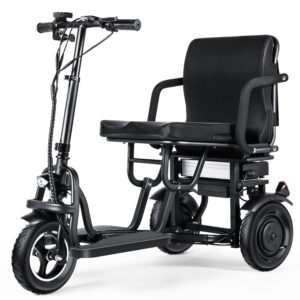
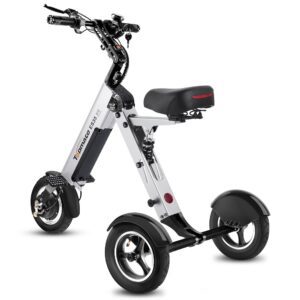
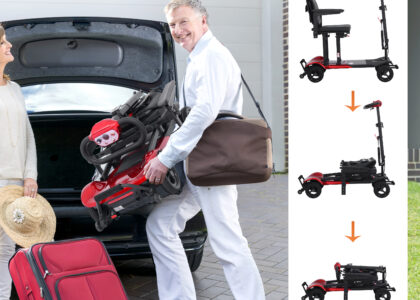
Foldable mobility scooters can simplify storage for:
- Apartments
- Condominiums
- RVs
- Cruise travelers
When You Rent a Scooter
The scooter is returned after use.
This means:
- No permanent storage required
- No long-term transportation planning
- Less equipment to manage
Travel Scenarios: Which Option Makes More Sense?
Theme Park Visits
For occasional theme park visits, renting is often convenient because many parks offer scooter rentals or have nearby providers.
Cruise Vacations
Travelers taking a single cruise may find renting practical.
Frequent cruisers may prefer owning a travel mobility scooter for consistency and familiarity.
Air Travel
Portable folding mobility scooters are commonly used by frequent flyers.
Occasional travelers may choose destination rentals instead.
Road Trips
Regular road travelers often appreciate having their own scooter available throughout the journey.
A Typical Day: Buying vs. Renting
Scooter Owner
- Leave home with personal scooter.
- Travel to destination.
- Use familiar controls and settings.
- Return home.
- Recharge and store.
Everything remains under the owner’s control.
Scooter Renter
- Arrange reservation.
- Receive rental scooter.
- Use scooter during rental period.
- Return scooter.
- Coordinate pickup or drop-off.
This process works well for temporary needs but involves additional planning.
Who Should Consider Buying?
Seniors With Ongoing Mobility Needs
Frequent use often makes ownership more practical.
Individuals With Chronic Mobility Challenges
Consistent access can improve convenience and independence.
Frequent Travelers
Owning a travel mobility scooter allows users to bring familiar equipment wherever they go.
Caregivers Supporting Long-Term Needs
Ownership eliminates repeated rental arrangements.
Who Should Consider Renting?
Vacation Travelers
A short trip may not justify purchasing a scooter.
Temporary Injury Recovery
Short-term mobility challenges often align well with rentals.
First-Time Users
Renting can help determine whether a scooter meets your needs before making a purchase.
Infrequent Users
Occasional use may not warrant ownership expenses.
Pros and Cons
Buying a Mobility Scooter
Advantages
- Always available
- Long-term value
- Personalized comfort
- Familiar operation
- No recurring rental fees
Limitations
- Higher upfront cost
- Requires storage space
- Maintenance responsibility
- Potential repair expenses
Renting a Mobility Scooter
Advantages
- Lower initial cost
- No maintenance concerns
- Flexible short-term use
- No long-term commitment
Limitations
- Ongoing rental fees
- Availability may vary
- Limited model selection
- Less personalization
Decision Matrix
| User Situation | Better Fit |
| One-Time Vacation | Renting |
| Temporary Recovery | Renting |
| Theme Park Visit | Renting |
| Annual Cruise | Renting |
| Frequent Travel | Buying |
| Daily Mobility Needs | Buying |
| Long-Term Use | Buying |
| Ongoing Caregiver Support | Buying |
How to Use This Matrix
If your mobility needs are temporary or occasional, renting often provides flexibility and lower upfront costs.
If you expect to use a scooter regularly throughout the year, purchasing generally offers greater convenience and long-term value.
Final Verdict
The choice between buying and renting a mobility scooter depends largely on how often you expect to use it.
Renting offers flexibility, lower upfront costs, and minimal responsibility, making it suitable for vacations, temporary recovery periods, and occasional use.
Buying provides immediate availability, personalized comfort, and better long-term value for individuals with ongoing mobility needs.
FAQ
How do I know whether I should buy or rent a mobility scooter?
If you need a mobility scooter for a few days, weeks, or a single trip, renting is often the more practical option. If you expect to use a scooter regularly for several months or years, buying is usually more cost-effective.
Is renting a mobility scooter cheaper than buying one?
Renting typically has a lower upfront cost, making it suitable for short-term use. However, repeated rentals can add up over time, and purchasing may provide better long-term value for frequent users.
Can I take my own mobility scooter on vacation?
Yes. Many travel and foldable mobility scooters are designed for transportation in cars, airplanes, cruise ships, and RVs. Travelers who take frequent trips often prefer owning a portable scooter for convenience and familiarity.
Do rental mobility scooters include maintenance and repairs?
In most cases, rental providers handle routine maintenance and repairs during the rental period. This can reduce the responsibility and costs associated with scooter ownership.

-scaled-2-420x300.jpg)