Quick Answer
The hidden costs of owning a mobility scooter go beyond the initial purchase price. While many buyers focus on the scooter itself, ongoing expenses such as battery replacement, maintenance, repairs, accessories, transportation, storage, insurance, and charging costs can significantly affect the total cost of ownership. Mobility Scooter Running Costs
For most seniors and caregivers, these additional expenses are manageable, but understanding them before buying helps avoid surprises later. Battery replacement is often the largest long-term cost, while accessories such as baskets, covers, ramps, and travel cases can add hundreds of dollars to the overall investment. Travel-related expenses, warranty extensions, and occasional repairs may also increase ownership costs over time.
Introduction
A mobility scooter can dramatically improve independence, convenience, and quality of life for seniors and individuals with limited mobility. Many buyers focus on choosing the right model, comparing features, and evaluating battery range.
However, one important question is often overlooked:
What does it actually cost to own a mobility scooter over several years?
While the upfront purchase price may seem straightforward, several ongoing expenses can affect the total cost of ownership. Some are predictable, while others only become apparent after months or years of use.
Understanding these hidden costs allows seniors, caregivers, and family members to make informed decisions and avoid unexpected expenses down the road.
Understanding the Total Cost of Mobility Scooter Ownership
When calculating ownership costs, consider both upfront and long-term expenses.
Initial Purchase Cost
Typical price ranges include:
| Scooter Type | Typical Price Range |
|---|---|
| Travel Scooter | $700–$1,500 |
| Foldable Scooter | $1,000–$2,500 |
| Mid-Size Scooter | $1,500–$3,000 |
| Heavy-Duty Scooter | $2,500–$5,000+ |
However, the purchase price is only the beginning.
Battery Replacement
Why Batteries Eventually Need Replacing
Mobility scooter batteries do not last forever.
Most batteries last:
- 2–5 years
- 300–500 charging cycles
- Depending on usage and maintenance
Over time, batteries lose capacity and range.
Typical Battery Replacement Costs
| Battery Type | Estimated Cost |
| Sealed Lead Acid | $100–$300 |
| Lithium Battery | $300–$1,000+ |
Battery replacement is often the most significant long-term ownership expense.
Maintenance and Repairs
Like any vehicle, mobility scooters require maintenance.
Common services include:
- Tire replacement
- Brake adjustments
- Electrical repairs
- Controller replacements
- Wheel maintenance
Average Maintenance Costs
| Service | Typical Cost |
| Tire Replacement | $50–$200 |
| Brake Service | $50–$150 |
| Electrical Repairs | $100–$500 |
| General Maintenance | $50–$200 annually |
Proper maintenance can significantly reduce major repair costs.
Accessories
Many buyers underestimate accessory costs.
Popular accessories include:
- Storage baskets
- Cup holders
- Weather covers
- Mirrors
- Phone holders
- Travel bags
- Oxygen tank holders
Accessory Cost Estimates
| Accessory | Typical Cost |
| Basket | $30–$100 |
| Cover | $40–$150 |
| Mirror Set | $20–$80 |
| Travel Bag | $50–$200 |
| Phone Holder | $15–$50 |
Small purchases can add up quickly.
Transportation Equipment
Transporting a mobility scooter may require additional equipment.
Examples include:
- Vehicle lifts
- Portable ramps
- Carrier platforms
- Trailer systems
Transportation Cost Estimates
| Equipment | Typical Cost |
| Portable Ramp | $100–$500 |
| Vehicle Lift | $1,000–$5,000 |
| Carrier Platform | $200–$1,000 |
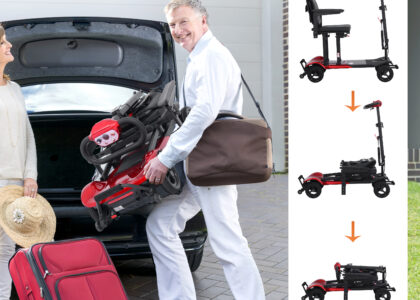
Travel-focused scooters often reduce these costs because they are easier to transport.
Storage Requirements
Storage is frequently overlooked.
Questions to consider:
- Do you have garage space?
- Will indoor storage be required?
- Is weather protection needed?
Some owners purchase:
- Storage sheds
- Protective covers
- Charging stations
These expenses vary by lifestyle and living situation.
Electricity Usage
Many buyers worry about charging costs.
Fortunately, mobility scooters are relatively inexpensive to charge.
Typical Charging Costs
Most users spend only a few dollars per month on electricity.
Annual charging expenses are often less than many household appliances.
While this is one of the smallest ownership costs, it should still be considered.
Extended Warranties
Some buyers purchase optional protection plans.
Benefits may include:
- Parts coverage
- Labor coverage
- Extended repair protection
Typical Warranty Costs
| Warranty Type | Estimated Cost |
| Basic Extension | $100–$300 |
| Premium Coverage | $300–$800 |
Evaluate whether coverage aligns with expected usage.
Travel Expenses
Traveling with a mobility scooter can create additional costs.
Examples include:
- Scooter-friendly transportation
- Accessibility equipment
- Travel cases
- Shipping charges
Frequent travelers should factor these expenses into ownership calculations.
Tire Replacement
Tires wear differently depending on:
- Terrain
- Rider weight
- Frequency of use
Replacement intervals vary significantly.
Users who ride outdoors regularly typically replace tires more frequently than indoor users.
Upgrading to a Better Scooter Later
One of the most common hidden costs is buying the wrong scooter initially.
Many users upgrade because:
- Battery range is insufficient
- Storage is difficult
- Weight is too heavy
- Comfort is inadequate
Choosing the right scooter from the beginning can prevent unnecessary future expenses.
Cost Comparison Table
Estimated Annual Ownership Costs
| Expense Category | Typical Annual Cost |
| Electricity | $20–$100 |
| Maintenance | $50–$300 |
| Accessories | $0–$200 |
| Repairs | $0–$500 |
| Tire Replacement | $0–$150 |
| Battery Savings Fund | $50–$300 |
Actual costs depend heavily on usage and scooter type.
Which Mobility Scooter Is Most Cost-Effective?
Best for Frequent Travelers
Travel scooters often reduce transportation and storage costs.
Best for Apartment Living
Compact foldable scooters minimize storage-related expenses.
Best for Daily Use
Mid-size scooters typically provide the best balance between cost and functionality.
Best for Outdoor Riding
Heavy-duty scooters may have higher ownership costs but provide superior performance.
A Typical Five-Year Ownership Example
Imagine a senior purchasing a mobility scooter for $2,000.
Over five years, ownership costs may include:
| Expense | Estimated Cost |
| Initial Purchase | $2,000 |
| Battery Replacement | $500 |
| Maintenance | $500 |
| Accessories | $300 |
| Electricity | $100 |
| Miscellaneous Repairs | $400 |
Total Five-Year Cost
Approximately $3,800
This example demonstrates why understanding total ownership costs is important.
Common Mistakes That Increase Ownership Costs
1. Buying the Cheapest Scooter
Low-cost models may require more repairs.
2. Ignoring Maintenance
Routine care often prevents expensive breakdowns.
3. Choosing the Wrong Scooter Size
An unsuitable scooter may lead to an expensive upgrade.
4. Forgetting Battery Replacement Costs
Battery replacement is inevitable for most long-term owners.
5. Buying Unnecessary Accessories
Purchase only accessories that support your actual needs.
6. Improper Battery Charging
Poor charging habits can shorten battery life.
7. Failing to Plan for Storage
Storage-related purchases can add unexpected expenses.
Final Recommendations
| User Type | Cost-Saving Recommendation |
| Frequent Traveler | Lightweight travel scooter |
| Apartment Resident | Foldable scooter |
| Daily Shopper | Mid-size scooter |
| Outdoor Rider | Durable heavy-duty model |
| Senior Living Alone | Reliable low-maintenance scooter |
| Caregiver Purchase | Easy-service scooter |
| Budget-Conscious Buyer | Quality scooter with strong warranty |
Conclusion
Owning a mobility scooter involves more than the initial purchase price. While batteries, maintenance, accessories, transportation equipment, and repairs contribute to long-term costs, most expenses can be anticipated and managed with proper planning. Mobility Scooter Running Costs
The key to minimizing hidden costs is choosing the right scooter from the beginning, maintaining it properly, and budgeting for future battery replacement and occasional repairs. For seniors and caregivers, understanding these expenses helps create realistic expectations and prevents financial surprises.
FAQ
What is the biggest hidden cost of owning a mobility scooter?
Battery replacement is often the biggest hidden cost. Most mobility scooter batteries need to be replaced every 2–5 years, depending on usage and maintenance.
How much does mobility scooter maintenance cost?
Maintenance costs vary, but most owners spend between $50 and $300 per year on routine servicing, tire replacements, and minor repairs.
Are mobility scooters expensive to charge?
No. Mobility scooters are energy-efficient, and charging costs are usually only a few dollars per month, depending on battery size and usage.
Do mobility scooter accessories increase ownership costs?
Yes. Accessories such as baskets, covers, phone holders, travel bags, and ramps can add to the total cost of owning a mobility scooter.

-scaled-2-420x300.jpg)