
Quick Answer
Most seniors do not fold and transport their mobility scooters every day. However, many users fold, load, or transport their scooters one to three times per week, depending on their lifestyle, travel habits, and living situation. Seniors who frequently visit shopping centers, medical appointments, airports, cruise terminals, or family events tend to fold and transport their scooters more often than those who primarily use their scooter around their local neighborhood.
Introduction
When shopping for a mobility scooter, buyers often focus on specifications such as battery range, speed, weight capacity, and comfort. However, one practical question receives much less attention:
How often do seniors actually fold and transport their mobility scooters?
The answer is important because portability can significantly impact long-term satisfaction. Many mobility scooter owners initially assume they will rarely transport their scooter. Yet after purchasing one, they often discover that folding, storing, and loading it into a vehicle becomes part of their regular routine. Folding Mobility Scooter Usage
Why Transportation Frequency Matters
The number of times a scooter is transported each week influences:
- Convenience
- Ease of ownership
- Caregiver assistance requirements
- Vehicle compatibility
- Long-term satisfaction
A scooter that is difficult to fold or load may eventually be used less often.
Conversely, a scooter that folds quickly and fits easily into a vehicle tends to encourage more frequent outings. Folding Mobility Scooter Usage
How Often Do Seniors Transport Their Mobility Scooters?
Daily Users
Some seniors transport their scooter nearly every day.
Typical examples include:
- Active retirees
- Frequent shoppers
- Community volunteers
- Individuals attending regular appointments
These users often load and unload their scooter multiple times each week.
Weekly Users
The largest group of owners falls into this category.
Typical transportation frequency:
- 1–3 times per week
Common destinations include:
- Grocery stores
- Medical appointments
- Family visits
- Local attractions
For these users, portability remains important but may not outweigh comfort.
Occasional Users
Some seniors transport their scooter only:
- A few times per month
- During vacations
- For special events
These owners often prioritize ride quality over portability.
Data-Based Usage Patterns
Estimated Transportation Frequency
| User Type | Average Transport Frequency |
|---|---|
| Daily Errands | 4–7 Times Weekly |
| Frequent Traveler | 3–5 Times Weekly |
| Weekly Shopper | 1–3 Times Weekly |
| Neighborhood User | 0–1 Times Weekly |
| Vacation User | 1–2 Times Monthly |
These estimates vary depending on personal mobility needs and lifestyle.
Which Seniors Fold Their Scooters Most Often?
Frequent Travelers
Travelers commonly transport scooters when:
- Visiting airports
- Taking cruises
- Going on road trips
- Staying in hotels
Because transportation occurs regularly, lightweight foldable scooters are often preferred.
Seniors Living in Apartments
Apartment residents frequently fold scooters for:
- Indoor storage
- Elevator access
- Space management
Storage constraints often increase folding frequency.
Caregiver-Assisted Users
Caregivers typically prioritize:
- Lightweight construction
- Easy folding systems
- Compact dimensions
The easier a scooter is to transport, the less physical strain it places on caregivers.
Seniors Living Independently
Independent users often appreciate scooters that can be folded without assistance.
This capability increases flexibility and spontaneity.
What Features Affect Transportation Frequency?
Scooter Weight
Weight is often the biggest factor.
| Weight Category | Transportation Convenience |
|---|---|
| Under 50 lbs | Excellent |
| 50–70 lbs | Very Good |
| 70–100 lbs | Moderate |
| 100+ lbs | Challenging |
Lighter scooters are generally transported more often.
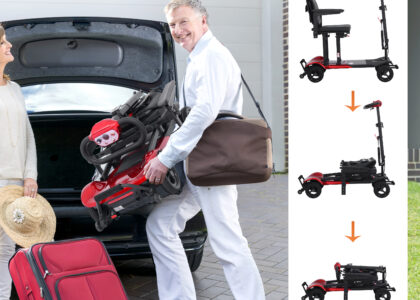
Folding Mechanism
Not all folding systems are equal.
Some scooters:
- Fold in seconds
- Require minimal effort
- Need no tools
Others require partial disassembly, making transportation less convenient.
Vehicle Compatibility
Many seniors use:
- SUVs
- Crossovers
- Minivans
A scooter that fits easily into available vehicle space is more likely to be transported regularly.
Storage Dimensions
Large scooters can create storage challenges.
Buyers should measure:
- Vehicle cargo space
- Garage dimensions
- Apartment storage areas
Before purchasing.
Which Mobility Scooter Is Best for Different Transportation Needs?
Best for Frequent Travelers
Important features:
- Lightweight frame
- Compact folded dimensions
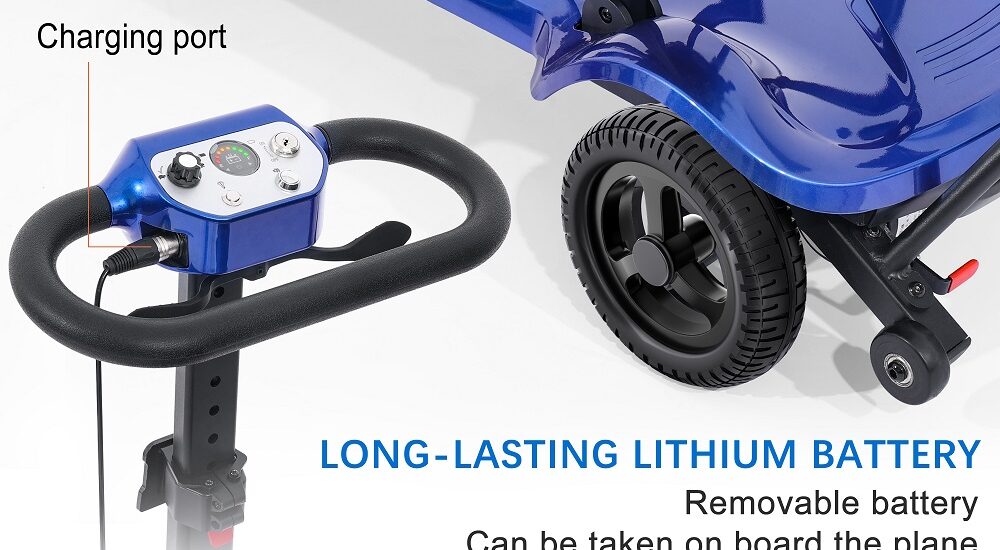
- Airline-friendly battery
Best for Cruise Vacations
Priorities include:
- Easy storage
- Compact size
- Convenient charging
Best for Airport Travel
Airport users benefit from:
- Quick folding
- Easy maneuverability
- Portable battery systems
Best for Grocery Shopping
Daily shoppers often prioritize:
- Comfort
- Storage baskets
- Reliable range
Best for Seniors Living Alone
Key features include:
- Easy folding
- Lightweight handling
- Simple controls
Best for Small Apartments
Compact folded dimensions are critical.
Storage convenience often outweighs maximum performance.
A Typical Week of Mobility Scooter Ownership
Consider a retired senior living independently.
Monday
The scooter is loaded into an SUV for a medical appointment.
Wednesday
A trip to the grocery store requires another transport cycle.
Friday
The scooter is used during a family outing.
Weekend
It remains folded and stored in a garage.
In this example, the scooter is transported three times in one week—consistent with many real-world owners.
Common Buying Mistakes
1. Assuming the Scooter Will Rarely Be Transported
Many buyers eventually transport their scooter more than expected.
2. Choosing Based Only on Comfort
A comfortable scooter that is difficult to transport may become inconvenient.
3. Ignoring Weight
Heavy scooters often discourage frequent use.
4. Overlooking Folded Dimensions
Storage problems can quickly become frustrating.
5. Not Testing the Folding Process
Some scooters are significantly easier to fold than others.
6. Forgetting Caregiver Needs
Caregivers may be responsible for loading and unloading the scooter.
7. Buying a Scooter Larger Than Necessary
Oversized scooters can limit portability.
Conclusion
Most seniors do not transport their mobility scooter daily, but many fold and load it into a vehicle several times each month or even multiple times each week. Real-world ownership patterns show that portability often becomes more important after purchase than many buyers initially expect.
For travelers, apartment residents, caregivers, and active seniors, ease of folding and transportation can significantly influence how often a scooter is used. By considering weight, folded dimensions, vehicle compatibility, and storage requirements before purchasing, buyers can choose a mobility scooter that fits both their mobility needs and their lifestyle.
FAQ
How often do seniors typically transport their mobility scooters?
Most seniors transport their mobility scooters between one and three times per week for activities such as shopping, medical appointments, and family visits.
Do seniors fold their mobility scooters every day?
Not usually. Daily folding is more common among frequent travelers and apartment residents, while many seniors fold their scooters only when transportation or storage is needed.
What makes a mobility scooter easier to transport?
Lightweight construction, compact folded dimensions, and a simple folding mechanism make a mobility scooter easier to load, store, and transport.
Is a foldable mobility scooter worth it for seniors?
Yes. Foldable mobility scooters can be a great option for seniors who travel frequently, have limited storage space, or need to transport their scooter regularly.

-scaled-2-420x300.jpg)