
Quick Answer
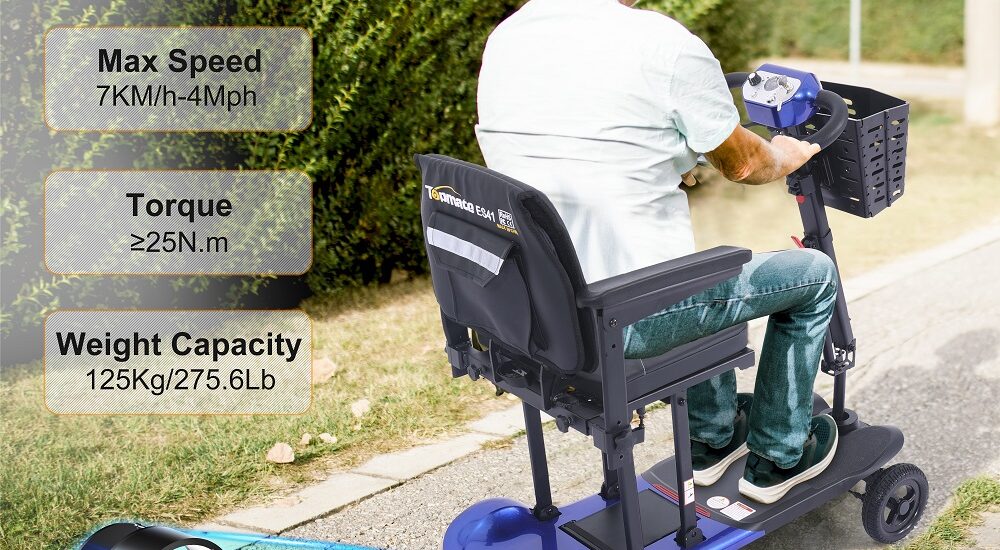
Yes, mobility scooters are allowed in most national parks. In many countries, including the United States, Canada, the United Kingdom, and Australia, national parks provide accessibility accommodations for visitors with mobility disabilities. In general, mobility scooters can be used anywhere pedestrians are allowed, although access may vary depending on the park, trail conditions, and local regulations.
Whether you’re planning a relaxing sightseeing trip, a family vacation, or a cross-country road trip, understanding where you can use a mobility scooter—and how to prepare for your visit—can help you enjoy the outdoors safely and comfortably.
This guide explains where mobility scooters are allowed, accessibility rules, trail limitations, travel tips, and the features to look for when choosing a mobility scooter for national park adventures.
Why National Parks Allow Mobility Scooters
National parks are created so everyone can enjoy nature, wildlife, and historic landmarks. For millions of people with limited mobility, walking long distances may not be practical. Mobility scooters help visitors explore more of the park while maintaining comfort and independence.
Many park authorities have invested in accessibility improvements over the years to make popular attractions easier to reach. These improvements often include:
- Accessible visitor centers
- Barrier-free restrooms
- Designated accessible parking spaces
- Paved walking trails
- Boardwalks
- Scenic overlooks
- Accessible campsites
- Shuttle buses with wheelchair lifts
- Educational exhibits designed for visitors with disabilities
These features make national parks more welcoming for seniors, individuals with disabilities, caregivers, and families traveling together.
Are Mobility Scooters Allowed Everywhere in National Parks?
Although mobility scooters are generally permitted, they cannot be used everywhere.
Most parks distinguish between accessible developed areas and remote natural environments. Mobility scooters are usually allowed anywhere that pedestrians can safely travel, but some areas may not be suitable because of natural terrain.
Common places where mobility scooters are allowed include:
- Visitor centers
- Museums
- Gift shops
- Cafés and restaurants
- Campgrounds
- Picnic areas
- Accessible viewpoints
- Paved walking trails
- Nature boardwalks
- Parking areas
- Park lodges
- Shuttle boarding locations
These locations are designed with accessibility in mind and are often ideal for a foldable mobility scooter or travel mobility scooter.
Areas Where Mobility Scooters May Be Restricted
Even though national parks strive to improve accessibility, some locations remain difficult to reach because of natural conditions rather than park policy.
Examples include:
- Narrow hiking trails
- Rocky mountain paths
- Loose gravel roads
- Sandy beaches
- Deep mud after rain
- Steep inclines
- Stair-only viewpoints
- Wilderness backcountry routes
These trails can become unsafe for both visitors and mobility equipment.
Always review the park’s accessibility map before arriving so you know which routes are recommended.
Accessibility Rules You Should Know
Most national parks have policies that support visitors using mobility devices.
In general, visitors should:
- Stay on designated paths.
- Follow posted accessibility signs.
- Respect speed limits in pedestrian areas.
- Yield to walkers when appropriate.
- Avoid entering environmentally protected areas.
- Follow ranger instructions.
Individual parks may introduce temporary restrictions due to weather, wildlife activity, construction, or trail maintenance.
Checking the park’s website before your visit can help you avoid unexpected closures.
Choosing the Right Mobility Scooter for National Parks
Not every scooter performs equally well outdoors. Selecting the right model depends on your travel plans and the types of trails you expect to visit.
Here are some of the most important features to compare.
| Feature | Why It Matters |
|---|---|
| Lightweight design | Easier to lift into a vehicle and transport between parks |
| Foldable frame | Saves storage space in cars, RVs, and hotel rooms |
| Battery range | Supports longer sightseeing without frequent charging |
| Ground clearance | Helps navigate uneven paved paths |
| Four-wheel stability | Provides better balance outdoors |
| Comfortable seat | Reduces fatigue during extended visits |
| Turning radius | Makes navigating visitor centers easier |
| Tire type | Better traction on paved and compact gravel surfaces |
| Weight capacity | Ensures safe operation |
| Charging time | Allows quicker preparation for the next day |
A portable mobility scooter is especially useful for travelers visiting multiple parks during one vacation.
Benefits of Using a Foldable Mobility Scooter in National Parks
A foldable mobility scooter offers several practical advantages for outdoor travel.
Easy Transportation
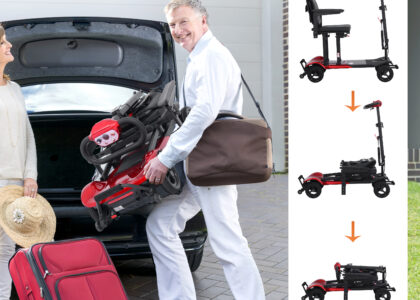
Many foldable models fit inside the trunk of a car, SUV, or RV without requiring a vehicle lift.
This makes spontaneous day trips much easier.
Convenient Storage
When not in use, a folding scooter can often be stored in:
- Hotel rooms
- Cabins
- Campers
- RV storage compartments
- Apartment closets
Ideal for Road Trips
Travelers visiting multiple parks appreciate being able to quickly fold and load the scooter between destinations.
Easier Airport Travel
If your vacation includes flying before visiting a national park, many travel scooters use lithium batteries that comply with airline requirements. Always verify battery rules with your airline before departure.
Greater Independence
Instead of limiting sightseeing because of walking distances, many visitors can comfortably explore museums, scenic overlooks, gardens, and visitor centers throughout the day.
Tips for Visiting National Parks with a Mobility Scooter
Planning ahead makes every trip more enjoyable.
Before leaving home:
- Fully charge the battery.
- Bring the charger.
- Pack a small repair kit if available.
- Carry drinking water.
- Check weather forecasts.
- Download park maps.
- Locate accessible restrooms.
- Identify charging opportunities if staying overnight.
While exploring the park:
- Stay on approved trails.
- Keep enough battery power for the return trip.
- Take regular breaks.
- Avoid rough terrain unless your scooter is designed for it.
- Watch for wildlife and changing weather.
Preparation reduces stress and helps ensure a safe visit.
Can You Take a Mobility Scooter on National Park Shuttle Buses?
Many popular national parks operate shuttle systems to reduce traffic congestion.
Fortunately, many shuttle buses are accessible and can accommodate mobility scooters.
However, policies differ between parks.
Before your visit, confirm:
- Maximum scooter dimensions
- Weight limits
- Boarding procedures
- Reservation requirements
- Seasonal operating schedules
Planning ahead can prevent delays during busy travel seasons.
Who Benefits Most from Using a Mobility Scooter in National Parks?
Mobility scooters are an excellent solution for many types of visitors.
They are particularly helpful for:
Seniors
Long walking distances can become tiring. A scooter allows seniors to enjoy more attractions comfortably.
People with Limited Mobility
Individuals recovering from surgery, living with arthritis, neurological conditions, or chronic pain often find mobility scooters make outdoor travel much easier.
Caregivers
Family members and caregivers benefit because the scooter reduces physical strain while allowing everyone to enjoy the trip together.
Frequent Travelers
A lightweight mobility scooter simplifies transportation between hotels, airports, cruise ports, and national parks.
First-Time Scooter Users
Many foldable models are easy to operate and require very little setup, making them ideal for beginners.
Final Verdict
So, are mobility scooters allowed in national parks? In most cases, yes.
National parks are becoming increasingly accessible, allowing visitors with limited mobility to enjoy scenic landscapes, educational exhibits, wildlife viewing, and outdoor recreation with greater independence. While certain rugged trails and wilderness areas remain unsuitable because of natural terrain, many visitor facilities, paved pathways, and accessible attractions welcome mobility scooters.
If your priorities include portability, easy transportation, compact storage, and convenient travel, a foldable mobility scooter is an excellent choice for exploring national parks, road trips, and vacations. On the other hand, visitors planning extended rides over uneven terrain or requiring higher weight capacities may benefit from a larger outdoor mobility scooter.
FAQ
Are mobility scooters allowed in national parks?
Yes. Most national parks allow mobility scooters in accessible pedestrian areas, although access to certain trails depends on terrain and local park regulations.
Can I use a foldable mobility scooter on hiking trails?
You can use a foldable mobility scooter on many paved and accessible trails, but rough, steep, or backcountry trails may not be suitable.
Can I take my mobility scooter on a national park shuttle?
Many national park shuttle buses are accessible to mobility scooters, but size and weight limits vary by park. Check the park’s shuttle policy before your visit.
What type of mobility scooter is best for visiting national parks?
A lightweight, foldable mobility scooter with a long battery range, stable four-wheel design, and comfortable seating is ideal for most national park visits.

-scaled-2-420x300.jpg)