Quick Answer
Yes, you can absolutely take a mobility scooter on most cruise ships, provided it meets the cruise line’s accessibility and battery requirements. Bringing your own foldable mobility scooter often provides greater comfort, convenience, and independence than renting one at the port. Before sailing, verify your cruise line’s scooter policies, confirm your cabin has enough storage space, understand battery charging requirements, and choose a lightweight folding model that’s easy to transport between terminals, ports, and shore excursions.
Why Bring Your Own Mobility Scooter Instead of Renting?
Many first-time cruise travelers wonder whether it’s better to rent a mobility scooter at the port or travel with their own. While rentals can be convenient, owning your own scooter offers several advantages. Cruise Mobility Scooter Guide
Benefits of bringing your own scooter
- Familiar controls and comfortable seating
- No waiting for rental delivery
- Available before and after the cruise
- Easier travel through airports and cruise terminals
- Lower long-term cost for frequent travelers
- Adjustable settings already customized for your needs
- Reliable battery performance that you’re familiar with
Imagine arriving at the cruise terminal after a long flight. Instead of searching for a rental provider, your personal mobility scooter is already ready to use, making check-in much less stressful.
Cruise Line Policies You Should Know
Most major cruise lines welcome mobility scooters, but they have specific accessibility policies.
Before booking your cruise, check:
- Maximum scooter dimensions
- Weight restrictions
- Battery type requirements
- Cabin accessibility recommendations
- Emergency evacuation procedures
- Whether accessible cabins are required for larger scooters
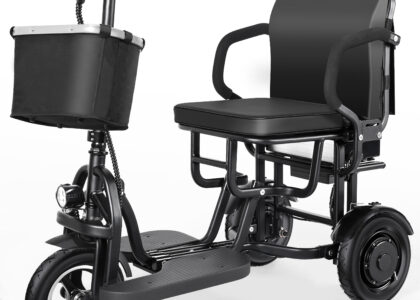
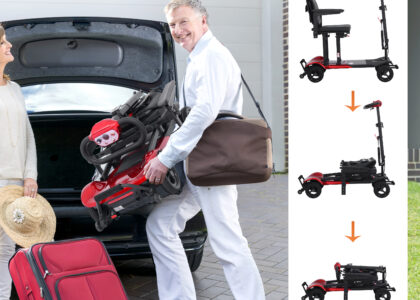
Many cruise lines recommend foldable travel scooters because they are easier to store safely inside cabins and keep hallways clear.
Always notify the cruise line in advance if you plan to bring a mobility scooter. Early notification allows the accessibility team to prepare for your arrival and answer any questions about onboard accommodations.
Cabin Storage Considerations
Cruise cabins are typically smaller than hotel rooms, making storage an important consideration.
Before traveling, compare:
| Feature | Standard Cabin | Accessible Cabin |
|---|---|---|
| Floor Space | Limited | More spacious |
| Door Width | Narrower | Wider |
| Turning Radius | Smaller | Larger |
| Scooter Storage | Folding models recommended | Larger scooters fit more easily |
A foldable mobility scooter can usually be stored:
- Beside the bed
- Inside a closet (if dimensions allow)
- Against a cabin wall
- Near the seating area without blocking exits
For safety reasons, scooters should never block cabin doors or emergency pathways.
Charging Your Scooter Onboard
Most cruise cabins provide standard electrical outlets suitable for charging mobility scooters.
To charge safely:
- Charge overnight whenever possible.
- Bring your original charger.
- Pack a travel power adapter if cruising internationally.
- Avoid extension cords unless permitted.
- Keep charging cables organized to prevent tripping hazards.
Many travelers recharge each evening so their scooter is ready for full-day excursions.
Cruise Terminal Walking Distances
One of the biggest surprises for first-time cruisers is how large cruise terminals can be.
Walking distances may include:
- Parking area to terminal entrance
- Security screening
- Check-in counters
- Boarding ramps
- Long ship corridors
Combined, these distances can easily exceed one mile before reaching your cabin.
Having your own mobility scooter significantly reduces fatigue on embarkation day.
Boarding and Disembarkation Tips
Embarkation day can be busy, but a little preparation makes the process smoother.
Helpful tips include:
- Arrive during your assigned boarding window.
- Label your scooter with your name and cabin number.
- Fully charge the battery before arriving.
- Carry medications and important documents separately.
- Keep your charger in your carry-on luggage.
When leaving the ship, wait for your assigned disembarkation group to avoid crowded elevators and hallways.
Shore Excursions and Accessibility
Many cruise destinations now offer accessible excursions, but accessibility varies widely.
Before booking excursions, ask:
- Are sidewalks paved?
- Are ramps available?
- Is transportation wheelchair accessible?
- Are there steep hills?
- Are historic sites accessible?
For example, a city sightseeing tour may accommodate mobility scooters, while a beach excursion with soft sand may be more challenging.
Researching excursions ahead of time helps avoid unexpected obstacles.
Elevator Usage
Cruise ships have multiple elevators, but they can become crowded during peak hours.
To make elevator travel easier:
- Avoid meal rush times.
- Wait patiently for the next elevator if full.
- Position your scooter carefully before entering.
- Allow passengers exiting first.
- Use accessible elevators when available.
Most modern cruise ships are designed with accessibility in mind, making navigation relatively straightforward.
Dining Areas and Public Spaces
Restaurants, theaters, lounges, and pool decks generally provide accessible seating.
For a better experience:
- Reserve dining times early.
- Inform staff if extra space is needed.
- Park your scooter where instructed.
- Use designated accessible seating areas during shows.
Crew members are usually happy to assist whenever necessary.
Packing Checklist for Cruise Travelers
Before leaving home, make sure you pack everything you’ll need.
Mobility Scooter Cruise Checklist
- Mobility scooter
- Battery charger
- Power adapter
- Owner’s manual
- Spare key
- Rain cover
- Small toolkit
- Tire pressure gauge (if applicable)
- Medical documents
- Cruise accessibility paperwork
- Emergency contact information
- Lightweight backpack for daily essentials
Packing these items helps prevent unnecessary stress during your vacation.
Battery Rules
Most modern travel mobility scooters use lithium-ion batteries.
Before your cruise:
- Verify battery watt-hour (Wh) rating.
- Review airline battery regulations if flying.
- Follow cruise line battery policies.
- Inspect batteries for damage.
- Only use manufacturer-approved chargers.
Proper battery care improves both safety and performance throughout your trip.
Daily Travel Tips
Simple habits can make every day onboard more enjoyable.
- Recharge your scooter every evening.
- Avoid leaving your scooter in hallways.
- Carry a reusable water bottle.
- Plan your route during busy hours.
- Slow down in crowded areas.
- Use lower speed settings indoors.
- Check battery level before shore excursions.
- Bring a lightweight bag for sunscreen, medications, and travel documents.
These small routines help you travel confidently and comfortably.
Common Mistakes First-Time Cruisers Make
Many first-time travelers make avoidable mistakes that can affect their experience.
Common mistakes include:
- Waiting until the last minute to notify the cruise line.
- Forgetting to pack the battery charger.
- Choosing a scooter that’s too large for the cabin.
- Not checking excursion accessibility.
- Arriving with a partially charged battery.
- Blocking cabin exits with the scooter.
- Ignoring airline battery requirements before flying.
- Overpacking the scooter’s storage basket.
Planning ahead can prevent these issues and make your cruise more enjoyable.
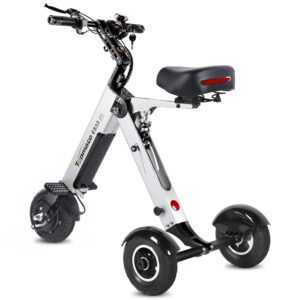
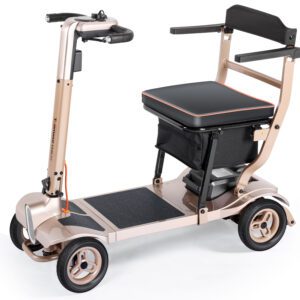
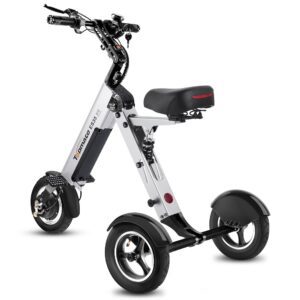
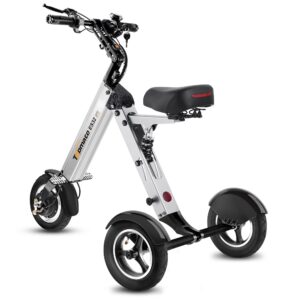
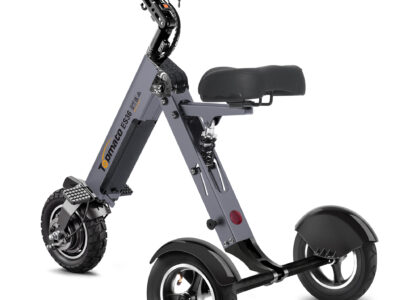
Comparing TopMate Scooters for Cruise Travel
| Feature | TopMate ES15 | TopMate ES35 | TopMate ES36 |
|---|---|---|---|
| Portability | Excellent | Very Good | Good |
| Folding Design | Yes | Yes | Yes |
| Cabin Storage | Excellent | Good | Good |
| Airport Friendly | Excellent | Very Good | Good |
| Stability | Good | Very Good | Excellent |
| Longer Excursions | Good | Excellent | Excellent |
| Best For | Frequent travelers | Comfort and travel | Maximum stability |
Which TopMate Scooter Is Easiest to Transport and Store?
For most cruise travelers, the TopMate ES15 is the easiest model to transport and store.
Its lightweight folding design makes it ideal for:
- Cruise cabins
- Airport terminals
- Taxi rides
- Hotel stays
- Shuttle buses
- Car trunks
Travelers looking for additional comfort during longer sightseeing days may prefer the ES35, while those prioritizing maximum stability may find the ES36 a better fit. Cruise Mobility Scooter Guide
Who Should Buy Which Model?
| Traveler Type | Recommended Model | Why |
|---|---|---|
| Frequent cruisers | TopMate ES15 | Lightweight, folds quickly, easy to store |
| Travelers wanting extra comfort | TopMate ES35 | Comfortable for longer daily use |
| Seniors needing added stability | TopMate ES36 | Stable ride with confidence on varied surfaces |
| Multi-destination vacations | TopMate ES15 | Easy to transport between airports, hotels, and ships |
| Longer shore excursions | TopMate ES35 or ES36 | Greater comfort for extended sightseeing |
FAQ
Can I take a foldable mobility scooter on a cruise ship?
Yes. Most major cruise lines allow foldable mobility scooters, provided they meet the cruise line’s size, weight, and battery requirements. Always notify the cruise line before your trip.
Where should I store my mobility scooter in my cruise cabin?
A foldable mobility scooter should be stored inside your cabin, such as beside the bed or against a wall, without blocking the door or emergency exits.
How do I charge my mobility scooter during a cruise?
You can usually charge your mobility scooter in your cabin using the manufacturer’s charger. Charging it overnight helps ensure it’s ready for daily excursions.
Which TopMate mobility scooter is best for cruise travel?
The TopMate ES15 is ideal for most cruise travelers because of its lightweight, foldable design, while the ES35 and ES36 are better suited for users who want additional comfort or stability.