Quick Answer
Many seniors delay buying a mobility scooter because of outdated myths rather than facts. Modern mobility scooters are designed to support independence—not replace it. They are easier to operate, safer, more travel-friendly, and more portable than ever before. Understanding what is true—and what isn’t—helps seniors and caregivers make confident decisions that improve daily life.
Why Mobility Scooter Myths Still Exist
Years ago, mobility scooters were larger, heavier, and less practical than today’s models. Because of those early designs, many misconceptions continue to circulate among seniors, family members, and even caregivers.
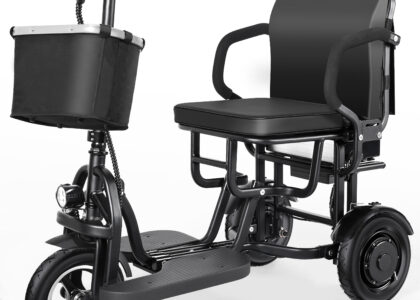
However, today’s foldable mobility scooters feature:
- Lightweight frames
- Long-lasting lithium batteries
- Airline-friendly battery options
- Easy folding systems
- Better stability
- Improved safety features
- Comfortable seating
- Compact storage
As technology has improved, many old beliefs simply no longer reflect reality.
Mobility Scooters Are Only for Disabled People
Reality
A mobility scooter is designed for anyone whose walking ability is limited, whether temporarily or permanently.
Many users have:
- Arthritis
- Knee pain
- Hip replacements
- Heart conditions
- COPD
- Multiple sclerosis
- Balance issues
- Chronic fatigue
- Recovery from surgery
Others simply cannot comfortably walk long distances during vacations, shopping trips, airports, or theme parks.
Medical Perspective
Many physicians recommend conserving energy rather than pushing through pain. Reducing unnecessary strain can help seniors remain active for longer.
When This Myth Is Partially True
Someone with severe medical conditions requiring specialized seating or medical positioning may need a powered wheelchair instead of a standard mobility scooter.
Using a Scooter Means Giving Up Walking
Reality
One of the biggest misconceptions is that mobility scooters replace exercise.
They don’t.
Most seniors continue walking at home while using a scooter for:
- Grocery shopping
- Airports
- Parks
- Museums
- Cruise ports
- Large medical centers
- Outdoor events
Instead of eliminating walking, scooters often help people stay active because they save energy for activities that matter most.
Mobility Scooters Are Difficult to Operate
Reality
Modern scooters are intentionally designed for beginners.
Most controls include:
- Thumb throttle
- Speed adjustment
- Forward/reverse switch
- Electromagnetic brakes
- Battery indicator
Many first-time riders become comfortable within minutes.
Real-Life Example
A senior who has never driven an electric vehicle can usually learn basic scooter operation during a short practice session in a safe parking lot.
When This Myth Is Partially True
Some larger Class 3 road scooters have more advanced controls and require additional practice.
Mobility Scooters Are Unsafe
Reality
When used properly, mobility scooters are very safe.
Safety depends more on responsible operation than the scooter itself.
Modern safety features include:
- Anti-tip wheels
- Stable wheelbase
- Bright LED lights
- Reflectors
- Automatic braking systems
- Speed controls
Safety Tips
- Reduce speed on turns.
- Avoid steep slopes beyond the scooter’s rating.
- Keep both hands on the controls.
- Follow pedestrian rules.
- Inspect tires and brakes regularly.
They’re Only for Indoor Use
Reality
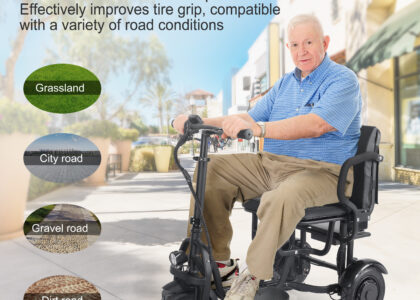
Many mobility scooters perform well outdoors.
They can handle:
- Sidewalks
- Parks
- Shopping centers
- Neighborhood streets
- Boardwalks
- Retirement communities
Certain models also manage moderate inclines and uneven pavement.
When This Myth Is Partially True
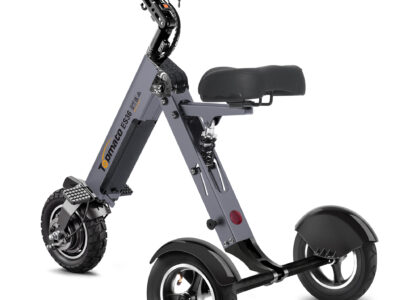
Ultra-compact travel scooters may perform best on smooth surfaces and are not intended for rough trails or off-road terrain.
They’re Too Slow
Reality
Most mobility scooters travel between 4 and 8 mph, depending on the model.
That speed is ideal for:
- Walking with family
- Shopping
- Visiting attractions
- Airports
- Outdoor events
Higher speeds are not always safer, especially for first-time users.
They’re Expensive to Maintain
Reality
Maintenance is surprisingly simple.
Typical routine care includes:
- Charging the battery
- Cleaning the scooter
- Checking tire condition
- Tightening loose hardware
- Keeping the scooter dry
Unlike automobiles, mobility scooters don’t require oil changes, fuel, or complex engine maintenance.
Airlines Don’t Allow Mobility Scooters
Reality
Many airlines allow mobility scooters that meet battery regulations.
Lithium battery capacity must comply with airline safety rules.
Before flying:
- Check battery specifications.
- Contact your airline in advance.
- Label your scooter.
- Bring your charger if permitted.
Travel Benefit
Modern foldable scooters make airport travel significantly easier by reducing long walking distances between terminals and gates.
When This Myth Is Partially True
Not every battery configuration is airline-approved. Always verify requirements before booking your flight.
They’re Too Heavy to Transport
Reality
Not every mobility scooter weighs over 100 pounds.
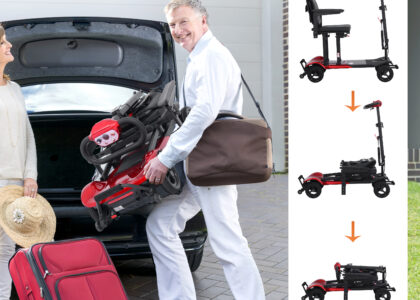
Today’s foldable models are much easier to transport.
Many fit into:
- SUVs
- Hatchbacks
- Crossovers
- Larger sedans
- RV storage compartments
Some users transport them independently, while others use ramps or vehicle lifts for heavier models.
TopMate Recommendation
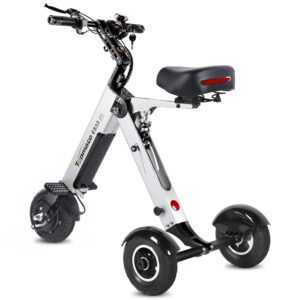
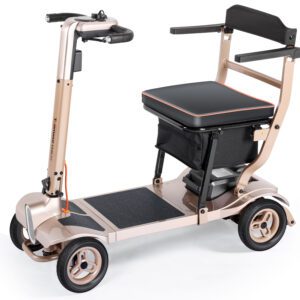
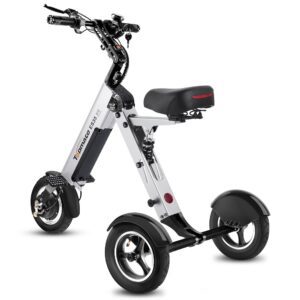
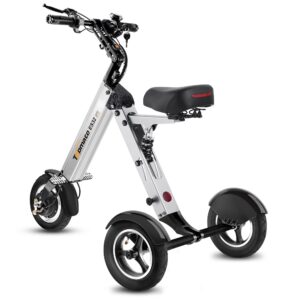
If portability is your priority, consider a TopMate foldable mobility scooter designed for travel and compact storage. Foldable models are particularly helpful for frequent road trips and family outings.
They’re Embarrassing to Use
Reality
Most users quickly discover the opposite.
A mobility scooter often allows seniors to:
- Join family vacations
- Visit museums
- Shop longer
- Attend community events
- Enjoy parks again
Confidence often replaces hesitation after just a few outings.
Independence Benefit
The ability to participate in everyday activities often improves emotional well-being and reduces social isolation.
Batteries Don’t Last Long
Reality
Battery technology has improved dramatically.
Many modern lithium-powered mobility scooters provide enough range for typical daily activities before needing a recharge.
Actual range depends on:
- Rider weight
- Terrain
- Speed
- Temperature
- Tire pressure
Charging overnight is sufficient for most users.
When This Myth Is Partially True
Battery performance naturally declines over several years and may decrease in very cold weather.
Foldable Scooters Aren’t Stable
Reality
Quality foldable scooters are engineered for stability.
Design improvements include:
- Reinforced frames
- Low center of gravity
- Four-wheel configurations
- Improved suspension
- Wider wheelbases
Always stay within the manufacturer’s weight limit for optimal performance.
They’re Difficult to Store
Reality
Foldable mobility scooters are designed for compact living.
Many fit inside:
- Closets
- Garages
- Apartment corners
- Utility rooms
- Vehicle cargo areas
This makes them ideal for seniors with limited storage space.
Seniors Need a License
Reality
In most places, mobility scooters used on sidewalks and pedestrian areas do not require a driver’s license.
However, local laws vary by country, state, or municipality.
Always review local regulations before using a scooter in public.
When This Myth Is Partially True
Some larger road-legal scooters may have additional rules depending on local laws.
They’re Only for Elderly People
Reality
Mobility scooters are used by adults of many ages.
Common users include:
- Adults recovering from surgery
- Individuals with chronic pain
- People with neurological conditions
- Veterans
- People with sports injuries
- Travelers with limited endurance
The goal is mobility—not age.
How Mobility Scooters Improve Independence
Rather than limiting activity, mobility scooters often expand it.
Users frequently report greater confidence when they can:
- Shop independently
- Visit friends
- Attend appointments
- Travel comfortably
- Explore tourist attractions
- Enjoy outdoor events
- Participate in family gatherings
Remaining socially active is closely associated with better physical and mental well-being.
Buying Advice for First-Time Buyers
Before purchasing a mobility scooter, consider:
Your Typical Daily Use
Will you primarily use it for:
- Shopping?
- Travel?
- Neighborhood walks?
- Indoor use?
- Vacations?
Portability
If you’ll frequently transport the scooter by car, choose a lightweight foldable model.
Battery Range
Select a range that comfortably exceeds your normal daily travel distance.
Weight Capacity
Always choose a scooter with an appropriate rider weight limit.
Comfort
Look for:
- Adjustable seating
- Easy controls
- Good legroom
- Comfortable handlebars
TopMate Recommendation
For seniors who prioritize portability, travel, and easy storage, TopMate’s foldable mobility scooter lineup offers compact designs that are well suited for everyday errands, vacations, and family trips. Compare factors such as folded size, driving range, weight capacity, and battery specifications to find the model that best matches your lifestyle.
Final Thoughts
Believing outdated mobility scooter myths can prevent seniors from enjoying greater freedom and independence. Modern scooters are easier to operate, safer, more portable, and more travel-friendly than many people realize.
The right mobility scooter doesn’t reduce independence—it supports it. By focusing on your mobility needs, lifestyle, and travel goals instead of common misconceptions, you can choose a model that helps you stay active and engaged in the activities you enjoy.
FAQ
Are mobility scooters difficult for seniors to learn?
No. Most modern mobility scooters have simple controls, adjustable speeds, and automatic braking systems, making them easy for first-time users to learn.
Can seniors still walk if they use a mobility scooter?
Yes. Many seniors walk at home or for short distances and use a scooter only when longer trips would cause pain or fatigue.
Can foldable mobility scooters be taken on airplanes?
Many can, provided their lithium batteries meet airline requirements. Always confirm battery regulations with your airline before traveling.
Are foldable mobility scooters stable enough for everyday use?
Yes. Quality foldable scooters are designed with stable frames, balanced weight distribution, and safety features suitable for everyday travel on appropriate surfaces.