Winter doesn’t have to stop you from enjoying the independence of your mobility scooter. However, cold temperatures, snow, ice, rain, and shorter daylight hours require extra preparation to stay safe.
Whether you live in the northern United States, Canada, the United Kingdom, or the colder parts of Australia, understanding how winter affects your scooter can help you travel confidently while protecting your battery and extending the life of your equipment.
This guide explains how to use a mobility scooter safely during winter, maintain lithium batteries in cold weather, and know when it’s better to stay indoors.
Quick Answer
Yes, mobility scooters can be used during winter, but extra care is necessary. Cold weather reduces lithium battery performance, slippery roads increase stopping distance, and wet conditions require slower speeds. Riders should avoid ice, deep snow, freezing rain, and severe storms while keeping batteries warm, fully charged, and stored indoors whenever possible.
Can Mobility Scooters Be Used During Winter?
Absolutely.
Modern foldable mobility scooters with lithium batteries are capable of operating during winter when used within their recommended temperature range.
However, winter introduces several challenges:
- Reduced battery range
- Lower tire traction
- Longer braking distances
- Reduced visibility
- Wet electronics (if exposed to heavy rain)
- Increased rider fatigue due to cold temperatures
Planning your trips carefully helps reduce these risks.
How Cold Weather Affects Lithium Batteries
Lithium batteries work through chemical reactions. Cold temperatures slow these reactions, making the battery temporarily less efficient.
Common winter effects include:
| Temperature | Battery Performance |
|---|---|
| 50°F (10°C) | Nearly normal performance |
| 32°F (0°C) | Slightly reduced range |
| 14°F (-10°C) | Noticeable loss of driving range |
| Below 5°F (-15°C) | Significant performance reduction |
You may notice:
- Shorter travel distance
- Slower acceleration
- Longer charging times
- Battery gauge dropping faster than expected
Fortunately, battery performance usually returns once the battery warms back to room temperature.
Safe Operating Temperatures
Although exact limits vary by battery manufacturer, most lithium-powered mobility scooters perform best between:
| Condition | Recommended Temperature |
| Riding | 32°F to 95°F (0°C to 35°C) |
| Charging | 41°F to 95°F (5°C to 35°C) |
| Storage | 50°F to 77°F (10°C to 25°C) |
Avoid charging a battery immediately after bringing it inside from freezing temperatures. Allow it to warm naturally before connecting the charger.
Snow, Rain, Slush, and Icy Surfaces
Not every winter condition presents the same level of risk.
Light Rain
Usually manageable if your scooter is designed for occasional outdoor use.
Always:
- Slow down
- Avoid standing water
- Dry the scooter after returning home
Wet Pavement
Wet sidewalks reduce tire grip.
Drive:
- Slower than normal
- With extra following distance
- Smoothly through turns
Slush
Slush can:
- Hide potholes
- Reduce traction
- Splash onto electrical components
Cross slushy areas slowly whenever possible.
Snow
Fresh snow may appear harmless but often hides:
- Curbs
- Uneven pavement
- Ice patches
Even a few inches of snow can make steering difficult.
Ice
Ice is the most dangerous winter surface.
No mobility scooter tire provides reliable grip on solid ice.
If sidewalks or parking lots are icy, the safest decision is to avoid riding altogether.
Tire Traction and Braking Tips
Winter riding requires smoother driving habits.
Instead of quick movements:
- Accelerate gently
- Brake gradually
- Turn slowly
- Increase stopping distance
- Avoid sudden steering corrections
Good habits include:
- Keeping tires properly inflated (if pneumatic)
- Checking tire wear before winter
- Cleaning mud and salt after every ride
- Avoiding painted crosswalk markings when wet
Charging Batteries During Winter
Battery care is especially important during colder months.
Best Practices
Charge indoors.
Keep batteries above freezing before charging.
Use only the manufacturer-approved charger.
Recharge after every trip.
Avoid leaving batteries fully discharged overnight.
Never
- Charge a frozen battery.
- Leave batteries in an unheated garage for long periods.
- Cover the charger while charging.
- Use damaged charging cables.
Indoor Storage Recommendations
Proper storage protects both the scooter and its battery.
Store your scooter:
- Inside your home
- In a heated garage
- In a dry utility room
- Away from moisture
- Away from direct heat sources
Avoid storing:
- Outdoors
- On exposed balconies
- Inside freezing sheds
- In damp basements
If storing for several weeks:
- Charge battery to approximately 50–80%
- Recharge periodically according to the manufacturer’s recommendations
- Keep the scooter clean and dry
Clothing and Visibility Tips
Winter clothing should keep you warm without limiting movement.
Recommended clothing includes:
- Waterproof jacket
- Thermal gloves with good grip
- Warm hat
- Waterproof boots
- Insulated pants
- Neck warmer
Improve visibility by wearing:
- Reflective vest
- Bright-colored outerwear
- Reflective backpack
- LED safety lights if riding in low light
Because winter days are shorter, visibility becomes just as important as traction.
Winter Maintenance Checklist
Use this checklist before each ride.
| Item | Check |
| Battery fully charged | ✔ |
| Tires inspected | ✔ |
| Brakes functioning | ✔ |
| Lights working | ✔ |
| Mirrors adjusted | ✔ |
| Seat secure | ✔ |
| Controls responsive | ✔ |
| Weather forecast checked | ✔ |
| Route free of ice | ✔ |
After returning home:
| Maintenance Task | Frequency |
| Dry scooter | Every ride |
| Remove road salt | Every ride |
| Inspect tires | Weekly |
| Check battery | Weekly |
| Clean frame | Weekly |
| Inspect charging cable | Monthly |
Accessories That Improve Winter Riding
Several accessories make winter travel safer and more comfortable.
Useful additions include:
- Waterproof scooter cover
- Insulated battery cover (if compatible)
- Storage basket with weather-resistant liner
- Cup holder with insulated travel mug
- Reflective safety flag
- LED front and rear lights
- Weather-resistant seat cover
- Portable umbrella holder (only when stationary)
Avoid accessories that interfere with steering or block visibility.
Signs It’s Too Dangerous to Ride
Sometimes the safest choice is simply staying home.
Avoid riding when:
- Roads are icy
- Sidewalks have black ice
- Snow is deeper than the scooter’s ground clearance
- Freezing rain is falling
- Strong winds affect steering
- Visibility is poor
- Severe winter storms are active
Independence is important, but safety always comes first.
Indoor Alternatives During Severe Weather
When outdoor conditions become unsafe, consider alternatives.
You can:
- Shop online with home delivery
- Schedule telehealth appointments
- Visit indoor shopping centres
- Exercise indoors
- Use community transportation services
- Ask family or caregivers for assistance
- Reschedule non-essential errands
Planning ahead helps reduce unnecessary winter travel.
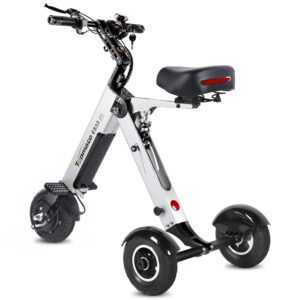
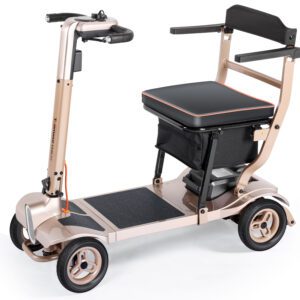
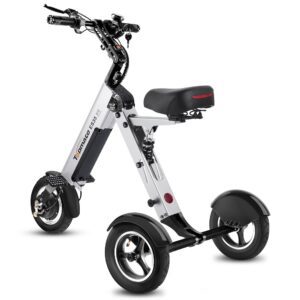
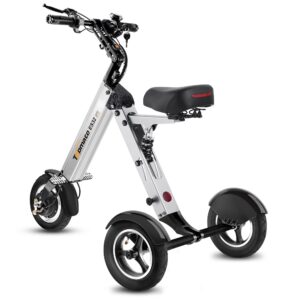
TopMate ES15 vs ES35 vs ES36 for Winter Portability and Storage
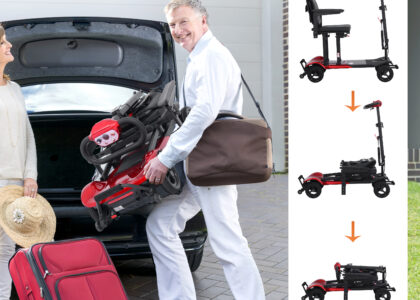
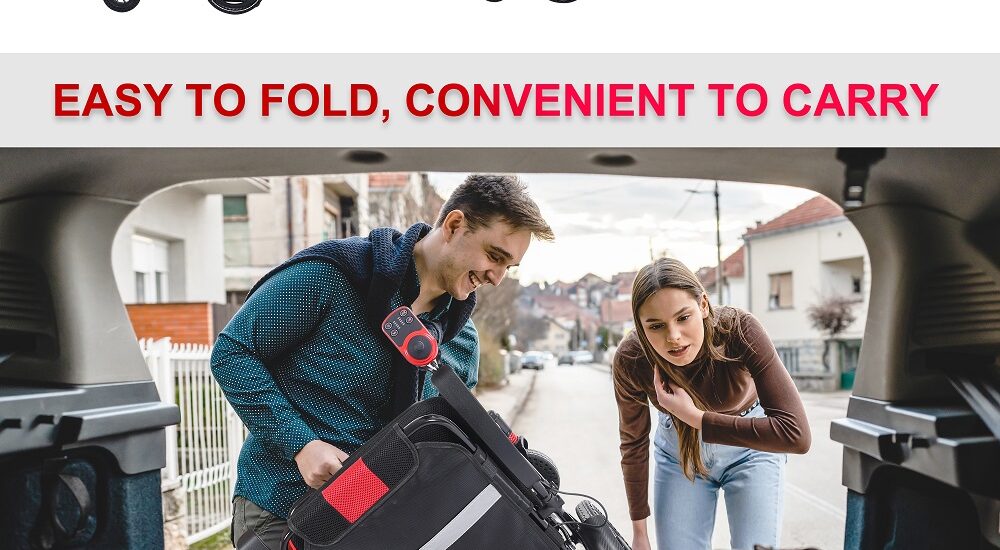
During winter, portability often matters just as much as outdoor performance. Many riders prefer bringing their scooter indoors after every trip to protect the battery from freezing temperatures.
| Feature | TopMate ES15 | TopMate ES35 | TopMate ES36 |
| Foldable | Yes | Yes | Yes |
| Indoor Storage | Excellent | Very Good | Very Good |
| Car Transport | Excellent | Good | Good |
| Battery Protection Indoors | Easy | Easy | Easy |
| Suitable for Apartment Living | Excellent | Good | Good |
| Travel-Friendly | Excellent | Very Good | Very Good |
| Daily Winter Storage | Excellent | Very Good | Very Good |
TopMate ES15
The ES15’s lightweight folding design makes it especially convenient for riders who frequently move the scooter indoors after every trip.
Ideal for:
- Apartment living
- Retirement communities
- Frequent car travel
- Indoor storage during freezing weather
TopMate ES35
The ES35 provides a balance between portability and comfort, making it suitable for regular winter use while still being easy to fold and store indoors.
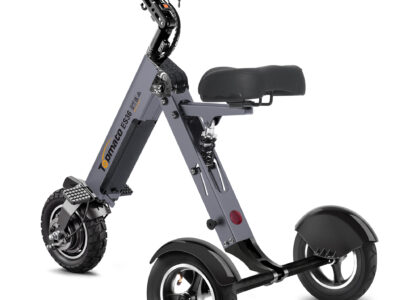
TopMate ES36
The ES36 offers additional comfort and stability for longer rides while remaining foldable for indoor battery protection during winter months.
Common Winter Mistakes
Many winter problems can be prevented with a few simple habits.
Avoid these common mistakes:
- Charging a battery immediately after freezing temperatures
- Riding on icy sidewalks
- Ignoring reduced battery range
- Leaving the scooter outdoors overnight
- Driving too fast on wet pavement
- Forgetting to dry the scooter after rain or snow
- Skipping regular tire inspections
- Wearing dark clothing during short winter days
- Waiting until the battery is nearly empty before recharging
- Attempting to cross deep snow
Winter Safety Tips for Seniors
Small adjustments can make winter travel much safer.
- Plan shorter trips.
- Leave home with a full battery.
- Check the weather forecast before riding.
- Carry a mobile phone for emergencies.
- Tell someone where you’re going.
- Allow extra travel time.
- Keep emergency contact information with you.
- Turn back if conditions worsen.
These habits reduce risk while helping you stay independent throughout the season.
Final Thoughts
A mobility scooter can remain a reliable way to stay active during winter, provided you adjust your routine for colder weather. Protecting your lithium battery, storing the scooter indoors, riding cautiously on wet surfaces, and avoiding icy conditions can improve both safety and performance.
For many seniors, the biggest advantage of a foldable mobility scooter during winter is the ability to bring it inside after every trip. Indoor storage helps preserve battery life, reduces weather-related wear, and ensures the scooter is ready whenever conditions improve.
With thoughtful preparation and regular maintenance, winter does not have to limit your mobility.
FAQ
Can I leave my mobility scooter in a cold garage?
It is better to store your scooter in a dry, temperature-controlled area whenever possible. Extremely cold storage can temporarily reduce battery performance and may shorten battery life over time.
Does winter reduce my scooter's driving range?
Yes. Lithium batteries typically provide less range in cold weather because lower temperatures slow the battery’s chemical reactions.
Can I ride a mobility scooter in light snow?
Light snow may be manageable on cleared paths, but avoid riding through deep snow, slush, or any surface where ice may be hidden.
Should I charge my battery immediately after coming inside?
No. Allow the battery to warm to room temperature before charging if it has been exposed to freezing conditions.