Quick Answer
Yes—most modern mobility scooters with lithium-ion batteries and a built-in Battery Management System (BMS) can safely remain plugged in overnight when using the manufacturer’s approved charger. Once the battery reaches full charge, the charger and BMS automatically reduce or stop charging to help protect the battery.
However, scooters with older lead-acid batteries often require more attention. Leaving them connected to a charger that lacks automatic shutoff may shorten battery life over time.
Always follow your manufacturer’s charging instructions and use the original charger whenever possible.
Why Proper Battery Charging Matters
Your mobility scooter’s battery is its most important component. Proper charging habits help ensure:
- Longer battery lifespan
- Reliable daily performance
- Maximum driving range
- Lower maintenance costs
- Improved safety
For seniors who rely on their scooter every day, developing good charging habits means fewer unexpected battery problems and greater peace of mind. Mobility Scooter Plugged In
How Mobility Scooter Batteries Charge
Modern mobility scooter chargers work in several stages instead of delivering constant power.
| Charging Stage | What Happens |
|---|---|
| Bulk Charging | Battery charges rapidly until about 80%. |
| Absorption Charging | Charging slows as the battery approaches full capacity. |
| Float or Maintenance Mode | Charger maintains the battery without excessive charging (supported by many smart chargers). |
| Automatic Shutoff | Many lithium chargers stop charging once the battery is full. |
This intelligent charging process helps prevent unnecessary battery stress.
Is Overnight Charging Safe?
For most modern lithium mobility scooters, the answer is yes.
Today’s lithium batteries include advanced electronics that monitor:
- Battery voltage
- Current flow
- Cell temperature
- Charging status
When the battery reaches full capacity, charging automatically slows or stops.
That means many owners can plug in their scooter before bedtime and wake up with a fully charged battery ready for the day.
Overnight charging is generally safe if:
- You use the original charger.
- The scooter uses a lithium battery with a Battery Management System (BMS).
- Charging takes place indoors in a dry, ventilated location.
- The charger and battery show no signs of damage.
Lithium-Ion vs. Lead-Acid Batteries
Not every mobility scooter battery behaves the same way.
| Feature | Lithium-Ion Battery | Lead-Acid Battery |
|---|---|---|
| Overnight Charging | Usually safe with smart charger | Depends on charger |
| Weight | Lightweight | Heavy |
| Charging Speed | Faster | Slower |
| Battery Life | 800–2,000+ charge cycles | 300–500 charge cycles |
| Maintenance | Minimal | More maintenance required |
| Efficiency | High | Moderate |
| Self-Discharge | Low | Higher |
| Performance in Cold Weather | Better | Less efficient |
Lithium batteries have become the preferred option because they are lighter, charge faster, last longer, and require less maintenance.
What Does a Battery Management System (BMS) Do?
A Battery Management System (BMS) is a built-in electronic safety system found in most modern lithium batteries.
It continuously monitors battery health and protects against:
- Overcharging
- Over-discharging
- Overheating
- Short circuits
- Excessive current
- Cell imbalance
Think of it as the battery’s onboard safety computer.
Without a BMS, batteries would be much more vulnerable to damage during charging.
Manufacturer Recommendations
Although overnight charging is usually safe with lithium batteries, always follow the instructions in your scooter’s owner manual.
Manufacturers commonly recommend:
- Charge after each day of use.
- Use only the approved charger.
- Avoid third-party chargers unless specifically compatible.
- Keep charging ports clean.
- Disconnect damaged chargers immediately.
- Inspect cables regularly.
Following these recommendations helps protect both your battery and warranty.
Best Charging Practices
These habits can significantly extend battery life.
Charge Before the Battery Is Completely Empty
Lithium batteries prefer partial discharge rather than being drained to 0%.
A good habit is recharging when the battery reaches around 20–30%.
Charge in a Cool, Dry Area
Avoid charging:
- Outdoors
- In direct sunlight
- Near heaters
- In damp garages
- In extremely humid rooms
A room-temperature environment is ideal.
Use the Correct Charger
Every charger is designed for a specific battery voltage and charging profile.
Using the wrong charger may:
- Damage the battery
- Reduce lifespan
- Create safety risks
Keep Charging Ports Clean
Dust, moisture, and dirt may interfere with charging efficiency.
Periodically inspect:
- Charging connector
- Power cable
- Battery terminals
Avoid Frequent Short Charges
Although lithium batteries tolerate partial charging well, constantly unplugging after only a few minutes may prevent a full balance between battery cells.
Occasional full charging cycles help maintain battery health.
Signs of Overcharging
Modern lithium batteries rarely overcharge because of their built-in protection systems.
However, you should watch for warning signs such as:
- Battery becoming unusually hot
- Swollen battery casing
- Burning smell
- Charger becoming excessively hot
- Flashing error lights
- Battery losing capacity quickly
If any of these occur:
- Stop charging immediately.
- Disconnect the charger.
- Contact customer support before using the scooter again.
Charging Mistakes to Avoid
Many battery problems are caused by simple habits.
Avoid these common mistakes:
- Using cheap replacement chargers
- Charging in freezing temperatures
- Leaving damaged chargers plugged in
- Ignoring warning lights
- Storing the scooter with a completely empty battery
- Using extension cords that cannot handle the charger safely
- Blocking charger ventilation
Preventing these mistakes can add years to battery life.
How Temperature Affects Charging
Temperature has a major impact on battery performance.
| Temperature | Charging Effect |
|---|---|
| Below 32°F (0°C) | Charging slows and may damage some batteries |
| 50–86°F (10–30°C) | Ideal charging range |
| Above 95°F (35°C) | Heat may reduce battery lifespan |
If your scooter has been sitting in a cold garage, allow the battery to warm to room temperature before charging.
Likewise, avoid charging immediately after extended use on a hot summer day. Let the battery cool first.
Battery Lifespan Tips
Proper care helps maximize battery longevity.
Daily Tips
- Charge after each outing.
- Avoid deep discharges.
- Store indoors.
- Keep battery clean.
Weekly Tips
- Inspect cables.
- Check charger condition.
- Remove dust from charging ports.
Long-Term Storage
If storing your scooter for several weeks:
- Leave the battery partially charged (around 50–70% for lithium, if recommended by the manufacturer).
- Recharge periodically according to the owner’s manual.
- Store in a cool, dry place.
- Avoid prolonged exposure to extreme temperatures.
Safety Precautions During Charging
Always follow these safety guidelines.
Charging Checklist
Place scooter on a stable surface
Keep charger away from water
Ensure adequate ventilation
Do not cover the charger
Keep away from flammable materials
Inspect cables before charging
Use a properly grounded electrical outlet
Keep children and pets away from charging equipment
A few simple precautions can greatly reduce the risk of electrical issues.
How TopMate Lithium Batteries Simplify Charging
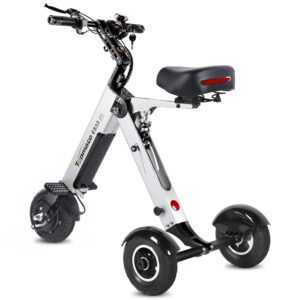
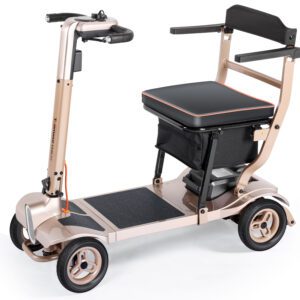
Many TopMate foldable mobility scooters use advanced lithium battery technology designed to make daily charging easier for seniors and caregivers.
Key advantages include:
- Built-in Battery Management System (BMS)
- Automatic charging protection
- Lightweight removable battery design (on compatible models)
- Faster charging compared to traditional lead-acid batteries
- Longer battery lifespan
- Lower maintenance requirements
- Consistent performance for everyday travel
These features reduce the need to monitor charging constantly and help provide dependable performance for daily errands, appointments, vacations, and family outings.
Who Benefits Most from Overnight Charging?
Overnight charging is especially convenient for:
Seniors
Wake up to a fully charged scooter without interrupting your daily routine.
Caregivers
Charge the scooter overnight so it’s ready before morning appointments or outings.
Frequent Travelers
Prepare for airport trips, cruise terminals, sightseeing, or full days of exploring.
Everyday Users
Those who use their scooter daily for shopping, medical appointments, parks, or neighborhood travel benefit from starting each morning with a full battery.
Final Thoughts
For most modern mobility scooters equipped with lithium-ion batteries and an intelligent Battery Management System, leaving the scooter plugged in overnight is generally safe when using the manufacturer’s approved charger. Smart charging technology helps prevent overcharging, making overnight charging a practical option for seniors, caregivers, and daily users.
By following recommended charging practices, avoiding common mistakes, and protecting your battery from extreme temperatures, you can extend its lifespan, maintain reliable performance, and ensure your scooter is always ready for your next trip. Consistent battery care not only improves safety but also helps you get the most value and convenience from your mobility scooter.
FAQ
Can you leave a mobility scooter plugged in overnight?
Yes, if your mobility scooter uses a modern lithium-ion battery with a built-in Battery Management System (BMS) and the manufacturer’s approved charger. These systems help prevent overcharging by stopping or reducing charging when the battery is full.
Does overnight charging damage a mobility scooter battery?
Generally, no. Smart lithium battery chargers are designed to protect the battery during overnight charging. However, using an incompatible charger or charging a damaged battery can reduce battery life and create safety risks.
How often should I charge my mobility scooter battery?
For regular use, it’s best to charge your mobility scooter after each day of use. Avoid letting the battery discharge completely, as frequent deep discharges can shorten its lifespan.
What is the safest way to charge a mobility scooter battery?
Charge the battery indoors in a cool, dry, well-ventilated area using the original charger. Keep the charger away from moisture, inspect cables regularly, and follow the manufacturer’s charging recommendations.