Quick Answer
Comparing mobility scooter specifications doesn’t have to be overwhelming. Instead of focusing on the biggest numbers, start by identifying how you’ll use the scooter. Then compare key specifications such as battery range, weight capacity, portability, comfort, safety, and terrain capability. The best mobility scooter is the one that fits your daily lifestyle—not necessarily the one with the highest specifications.
Key Takeaways
- Don’t compare specifications without considering your daily needs.
- Battery range should match your typical travel distance.
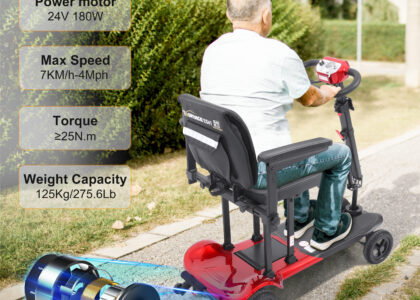
- Weight capacity should comfortably exceed your total riding weight.
- Suspension and larger tires improve outdoor comfort.
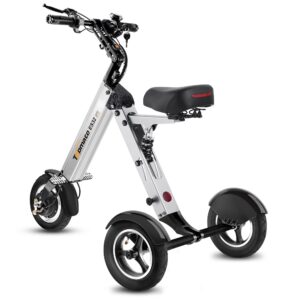
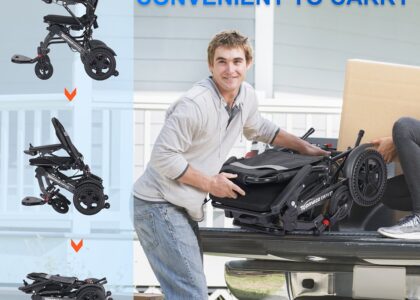
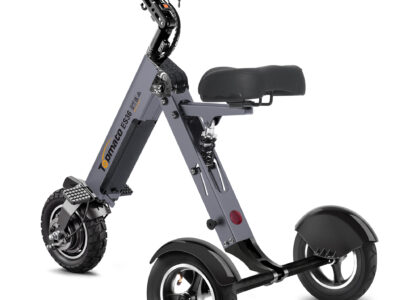
- Foldable scooters are easier to transport and store.
- Comfort and safety often matter more than top speed.
- Compare the complete package instead of one specification.
Introduction
Shopping for a mobility scooter can quickly become confusing. One model advertises a 25-mile battery range, while another highlights a powerful motor or higher top speed. Some emphasize lightweight folding designs, while others focus on suspension or large wheels.
With so many numbers and technical terms, it’s easy to assume that the scooter with the biggest specifications is automatically the best choice.
However, that’s rarely true.
A scooter with an impressive battery range may be unnecessarily heavy for someone who only makes short shopping trips. Likewise, a powerful outdoor scooter may not fit comfortably inside a car trunk or navigate tight indoor spaces.
This guide explains what each specification really means, how different features affect everyday use, and how to compare mobility scooters with confidence.
Why Specifications Can Be Misleading
Many first-time buyers compare scooters the same way they compare smartphones or televisions—by looking for the biggest numbers.
Unfortunately, mobility scooters don’t work that way.
For example:
- A longer battery range usually means a heavier battery.
- A larger motor doesn’t always provide a smoother ride.
- Bigger wheels improve outdoor performance but may reduce portability.
- Higher weight capacity can increase scooter weight.
Therefore, understanding how each specification relates to your lifestyle is far more important than choosing the highest number.
The Most Important Mobility Scooter Specifications
1. Battery Range
Battery range indicates how far a scooter can travel on a full charge under ideal conditions.
However, real-world range depends on:
- Rider weight
- Terrain
- Hills
- Speed
- Tire pressure
- Weather
- Battery age
General guideline:
| Daily Lifestyle | Recommended Range |
|---|---|
| Indoor use | 6–10 miles |
| Shopping & errands | 10–15 miles |
| Retirement communities | 15–20 miles |
| Outdoor recreation | 20+ miles |
Choose a battery that matches your routine instead of paying extra for unused capacity.
2. Weight Capacity
Weight capacity refers to the maximum load a scooter can safely support.
Remember to include:
- Body weight
- Clothing
- Groceries
- Bags
- Medical equipment
- Accessories
Choosing a scooter with additional capacity helps maintain performance and reduces strain on the motor.
3. Scooter Weight
Many buyers overlook this specification.
A heavier scooter often offers:
- Better stability
- Larger batteries
- Greater comfort
On the other hand, lighter scooters are much easier to lift into a vehicle and store at home.
If family members will frequently transport the scooter, overall weight becomes especially important.
4. Top Speed
Speed is one of the most misunderstood specifications.
Most seniors rarely need the fastest scooter available.
Instead, prioritize:
- Smooth acceleration
- Stable steering
- Comfortable ride quality
- Reliable braking
For everyday errands, moderate speeds are usually more practical and safer.
5. Suspension
Suspension absorbs bumps and vibrations.
It becomes especially valuable if you regularly ride on:
- Sidewalks
- Parks
- Brick paths
- Gravel
- Uneven pavement
Conversely, indoor users may not notice a significant difference.
6. Turning Radius
Turning radius determines how easily the scooter navigates tight spaces.
A smaller turning radius benefits riders who:
- Shop frequently
- Live in apartments
- Use elevators
- Travel indoors
Meanwhile, larger scooters typically require more room to turn.
7. Tire Type
There are two common options:
Solid Tires
Advantages:
- Maintenance-free
- No punctures
- Durable
Pneumatic Tires
Advantages:
- Smoother ride
- Better shock absorption
- Improved outdoor comfort
Choose the tire type based on where you’ll ride most often.
8. Ground Clearance
Ground clearance measures the distance between the scooter’s underside and the ground.
Higher clearance helps when traveling over:
- Driveway edges
- Small curbs
- Uneven sidewalks
- Outdoor trails
For indoor use, this feature is generally less important.
Compare Specifications Based on Lifestyle
Instead of comparing numbers alone, compare scooters based on your daily routine.
| Lifestyle | Features to Prioritize |
|---|---|
| Indoor use | Tight turning radius, compact size |
| Shopping | Comfortable seat, basket, portability |
| Travel | Foldable design, lightweight frame |
| Retirement community | Long battery range, comfort |
| Outdoor recreation | Suspension, larger wheels, higher ground clearance |
Specifications That Matter Most for Comfort
Comfort depends on more than the seat.
Look for:
- Adjustable armrests
- Padded seating
- Swivel seat
- Suspension
- Ergonomic controls
- Adjustable tiller
These features make longer rides more enjoyable.
Specifications That Improve Safety
Safety features often matter more than performance specifications.
Important features include:
- Electromagnetic brakes
- Anti-tip wheels
- LED lights
- Reflectors
- Horn
- Stable wheelbase
- Adjustable speed settings
Together, these features help create a more confident riding experience.
Common Buying Mistakes
Many buyers focus on only one specification.
Avoid these common mistakes:
- Choosing the longest battery range without considering weight.
- Buying the fastest scooter when comfort is more important.
- Ignoring scooter weight if transportation is required.
- Selecting the highest weight capacity without considering portability.
- Forgetting to measure storage space and doorways.
Instead, compare the complete ownership experience.
Real-Life Buying Scenarios
Margaret
Margaret shops twice each week and occasionally visits friends.
A lightweight folding scooter with moderate battery range meets her needs perfectly.
James
James spends several hours outdoors in local parks.
A larger scooter with suspension and a bigger battery provides greater comfort.
Linda
Linda frequently travels by car with family.
Therefore, portability becomes more important than maximum battery range.
Robert
Robert uses his scooter daily around a retirement community.
As a result, comfort, reliability, and longer battery life are his highest priorities.
Mobility Scooter Comparison Checklist
Before buying, compare:
Battery range
Weight capacity
Scooter weight
Foldability
Suspension
Turning radius
Ground clearance
Tire type
Safety features
Comfort features
Warranty and service support
Final Verdict
Learning how to compare mobility scooter specifications becomes much easier once you focus on your lifestyle rather than technical numbers.
Rather than choosing the scooter with the largest battery or fastest speed, think about where you’ll ride, how often you’ll travel, and which features will improve your daily comfort and safety.
Ultimately, the best mobility scooter is one that supports your independence, matches your routine, and provides reliable performance for years to come.
FAQ
Which mobility scooter specification is most important?
There isn’t a single most important specification. Battery range, weight capacity, comfort, safety, portability, and stability should all be evaluated based on your intended use.
Is a bigger battery always better?
Not necessarily. Larger batteries provide longer range but also increase scooter weight and cost. Choose a battery that matches your typical daily travel distance.
What specifications should I compare first?
Start with battery range, weight capacity, scooter weight, comfort features, safety systems, portability, and turning radius. These specifications have the greatest impact on everyday use.
Should I prioritize speed or comfort?
For most seniors and everyday riders, comfort, stability, and safety are more important than maximum speed. A comfortable scooter is more enjoyable for daily use and longer trips.