
Quick Answer
A mobility scooter test drive should focus on more than speed or appearance. Pay attention to seat comfort, steering, braking, stability, turning radius, visibility, and how easily the scooter folds or fits into your vehicle. Testing the scooter in situations similar to your daily routine helps you choose a model that is comfortable, safe, and practical for long-term use.
Key Takeaways
- Test drive the scooter for at least 20–30 minutes whenever possible.
- Check comfort, steering, braking, and ride stability on different surfaces.
- Practice tight turns, reversing, and parking in small spaces.
- If you travel often, test how easily the scooter folds and lifts into a vehicle.
- Compare models based on your lifestyle rather than specifications alone.
- A comfortable, easy-to-use scooter is usually a better choice than one with the highest speed or longest range.
Why Test Driving a Mobility Scooter Matters
Buying a mobility scooter is an important investment, especially if you plan to use it every day. Many first-time buyers compare specifications such as battery range, speed, and weight capacity but overlook one of the most important steps—taking a proper test drive.
Two scooters with similar specifications can feel completely different once you start riding them. One may offer smooth steering and excellent comfort, while another may feel difficult to control or uncomfortable after only a few minutes. A test ride helps you discover these differences before making a purchase.
If possible, spend at least 20 minutes using the scooter. This gives you enough time to notice whether the seat remains comfortable, the controls are easy to reach, and the ride feels stable.
Evaluate Comfort for Everyday Use
Comfort should be your first priority during a mobility scooter test drive.
Pay attention to how the seat supports your back and whether your legs have enough room to move naturally. The handlebars should be easy to reach without forcing you to lean forward, and your hands should remain comfortable while steering.
Think about how long you usually expect to use the scooter. If you regularly visit shopping centers, parks, or medical appointments, you’ll likely spend extended periods sitting. Even small discomforts can become frustrating during longer rides.
Also notice how the scooter handles bumps in sidewalks or parking lots. Models with better suspension often provide a smoother ride, especially outdoors.
Test Steering and Turning Radius
A mobility scooter should feel easy to control from the moment you start driving.
Practice making tight turns around corners or obstacles. This helps you understand whether the scooter can comfortably navigate grocery store aisles, shopping malls, elevators, and narrow sidewalks.
Smooth steering reduces fatigue, particularly if you plan to use the scooter every day. If the controls feel stiff or require excessive effort, another model may be a better fit.
Check Braking and Stability
Safety should always come before performance.
During your test ride, accelerate gradually and then brake several times in a safe area. The scooter should stop smoothly without sudden jerks or pulling to one side.
If possible, ride on a gentle incline or ramp. Notice whether the scooter feels stable while climbing and descending. A quality mobility scooter should maintain good balance and give you confidence on different surfaces.
You should also test the reverse function to make sure it responds smoothly in confined spaces.
Think About Your Daily Routine
The best mobility scooter is one that fits your lifestyle.
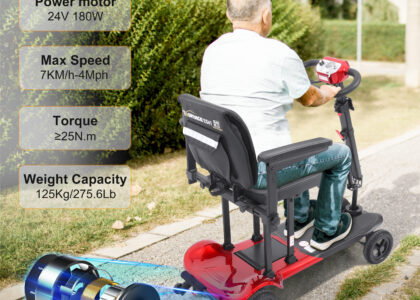
Imagine using it during everyday activities such as grocery shopping, visiting friends, attending doctor appointments, or walking through a shopping mall. If you enjoy traveling, consider whether it will be convenient for airport terminals, cruise vacations, or RV trips.
For apartment living, check whether the scooter fits through doorways and can turn easily in narrow hallways. If you frequently drive, see how quickly it folds and whether it fits comfortably into your car’s trunk or SUV.
If you regularly transport your scooter by car, checking its folded size and weight is important. A lightweight folding mobility scooter can be easier to lift and fit into your vehicle. Learn more about whether a mobility scooter can fit in a car trunk.
Compare Popular Mobility Scooter Options
Choosing the right scooter depends on how and where you plan to use it.
|
|---|
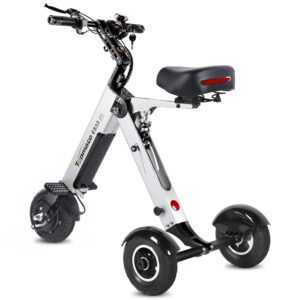
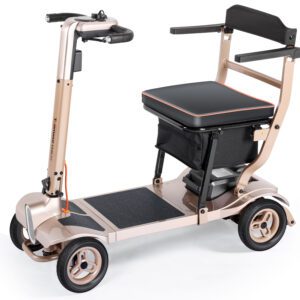
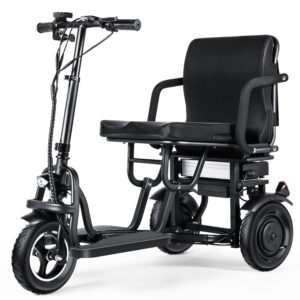
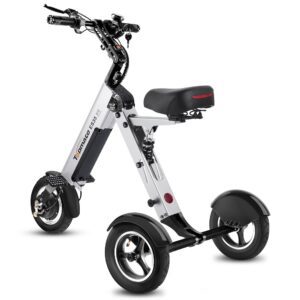
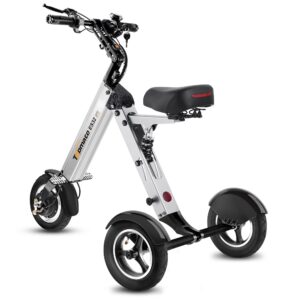
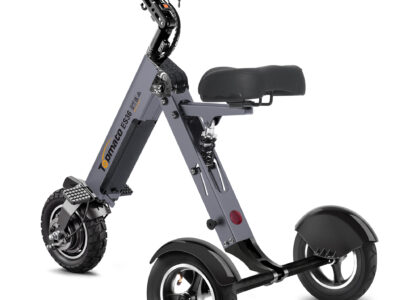
For buyers who regularly transport their scooter, lightweight foldable models such as the TopMate ES15 offer excellent convenience. Those who spend more time outdoors may prefer models with additional comfort features, while traditional scooters remain suitable for users who rarely need to transport them.
Match the Scooter to Your Lifestyle
Different riders have different priorities.
A lightweight foldable mobility scooter is often ideal if you:
- Frequently drive to appointments or shopping centers.
- Need to store the scooter in a small apartment.
- Travel by car, RV, or cruise ship.
- Want quick and simple folding.
A larger traditional scooter may be a better option if you:
- Mainly ride outdoors.
- Need greater stability over longer distances.
- Rarely transport the scooter in a vehicle.
Rather than choosing the model with the longest range or highest speed, focus on the one that makes everyday activities easier.
Common Mistakes First-Time Buyers Make
Many first-time buyers regret their purchase because they focus only on specifications.
Some of the most common mistakes include buying without taking a test ride, choosing a scooter based only on price, ignoring seat comfort, overlooking turning radius, and forgetting to check how easily the scooter fits into their vehicle. Test Driving Mobility Scooters
Another common mistake is assuming that a heavier scooter automatically offers a better ride. While larger models may provide additional stability, they can also be more difficult to transport and store.
Testing several scooters before making a decision allows you to compare how each model feels in real-world conditions.
Buying Tips
Before purchasing a mobility scooter, try to test it in both indoor and outdoor environments. Drive over smooth pavement, sidewalks, and gentle ramps if possible. Fold and unfold the scooter several times, and if you plan to transport it regularly, practice placing it into your vehicle.
Don’t rush the process. A few extra minutes spent evaluating comfort, handling, and portability can prevent years of inconvenience.
Conclusion
Knowing what to look out for when test driving mobility scooters can make the difference between buying a scooter that simply looks good on paper and choosing one that truly fits your daily life. Comfort, steering, braking, stability, portability, and ease of use all become clear during a proper test ride.
Instead of focusing only on speed or battery range, think about where you’ll use the scooter most often. Whether you need a lightweight foldable model for travel or a larger scooter for outdoor use, testing it in realistic situations will help you make a more confident and satisfying purchase.
FAQ
How long should I test drive a mobility scooter?
Aim for at least 20–30 minutes. This allows you to evaluate comfort, steering, braking, and overall ride quality beyond the first impression.
What is the most important thing to check during a mobility scooter test drive?
Comfort and ease of control are the most important factors. Also evaluate braking, stability, turning radius, and visibility in real-world conditions.
Should I test a mobility scooter indoors and outdoors?
Yes. Testing in different environments helps you understand how the scooter performs on smooth floors, sidewalks, ramps, and uneven surfaces.
Is a foldable mobility scooter suitable for everyday use?
Yes. Many foldable mobility scooters are designed for daily errands, shopping, travel, and appointments while offering the added convenience of easy storage and transportation.