
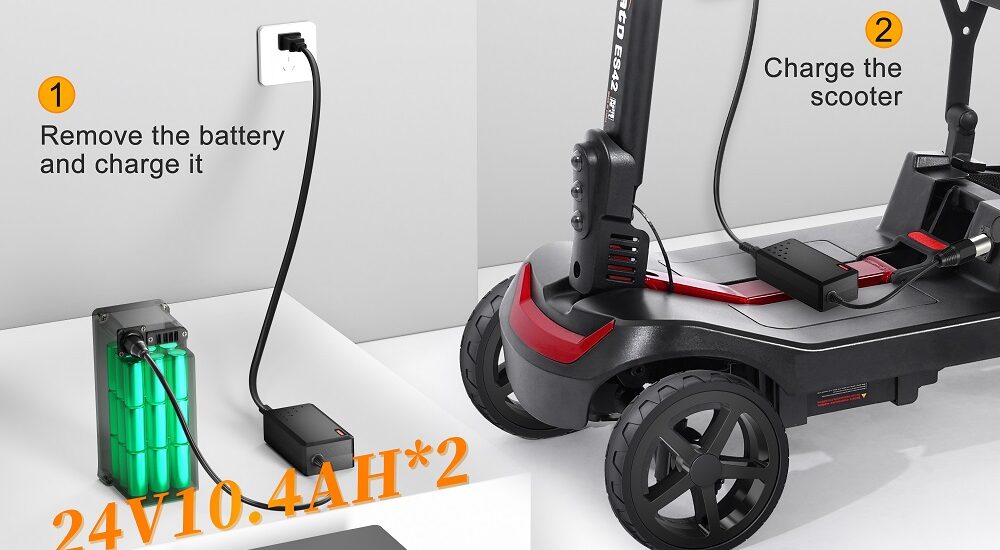
Imagine planning a grocery trip on your mobility scooter with enough battery for the round trip. You normally ride at a moderate speed, but today you increase the speed setting. Along the way, you encounter a hill, carry several shopping bags, and make repeated stops. The battery indicator now drops faster than expected.
So, does riding a mobility scooter faster use more battery? Generally, yes. However, speed is only one part of the equation. Acceleration, rider weight, hills, tire pressure, surface conditions, temperature, and riding habits can also change energy consumption.
Understanding these factors can help you choose a practical speed and plan trips with a more realistic battery reserve. mobility scooter speed settings
Does Driving a Mobility Scooter Faster Drain the Battery?
Yes, faster riding can increase energy consumption.
An electric motor must supply energy to overcome rolling resistance, air resistance, and other forces acting against the scooter. As speed increases, aerodynamic resistance also increases. Frequent acceleration can add another significant demand because the motor must repeatedly bring the scooter up to speed.
However, that does not mean you can calculate an exact range reduction simply by comparing two speed settings. Manufacturers rarely publish controlled range tests for every available speed mode.
Therefore, treat speed as one factor affecting range rather than assuming a fixed percentage of battery loss.
How Speed Settings Affect Energy Consumption
Many mobility scooters offer multiple speed settings. Lower settings can help riders maintain a steady pace, while higher settings allow faster travel when conditions permit.
The practical difference comes from how you use those settings.
A rider who selects a higher speed but travels steadily on flat pavement may use energy differently from someone who constantly accelerates, brakes, and accelerates again.
Consequently, steady riding at a moderate speed can often make better use of available battery energy than repeated high-speed acceleration.
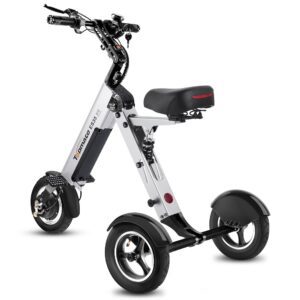
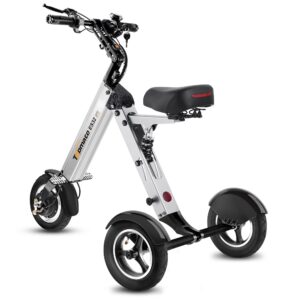
TopMate provides a useful example. The ES33 offers three selectable speeds of 3, 7, and 15 mph, while its manufacturer lists a 250W motor and a 36V 7.8Ah removable lithium battery rated at approximately 281Wh. The published maximum range is 15.53–18.64 miles.
Those specifications show the available speed choices and battery capacity, but they do not establish a specific range for each individual speed setting.
Does Maximum Speed Always Reduce Range?
For everyday riding, you do not always need to use the highest speed setting. A moderate speed can be more practical for neighborhood trips, shopping areas, and routes with pedestrians. Choosing the right speed for each situation can help balance travel time, control, and battery use.
Why Does Acceleration Use More Energy?
Acceleration requires the motor to increase the scooter’s kinetic energy.
Every time you start from a stop, the motor must move the scooter and rider from zero speed to your selected speed. A heavier combined load requires more energy to accelerate.
Repeated acceleration can occur during:
- Grocery trips
- Shopping-center visits
- Pedestrian crossings
- Busy sidewalks
- Parking areas
- Neighborhood intersections
For longer trips, maintaining a smooth and consistent pace can reduce unnecessary energy use compared with repeatedly accelerating hard and then braking.
Does Rider Weight Affect Battery Range?
Yes.
The scooter must move the combined weight of the rider, scooter, battery, and anything carried on board. As that total increases, the drive system generally needs more energy, especially during acceleration and climbing.
Consider a grocery trip. A rider may begin with only their own weight but return with several bags in the basket. That additional load can increase the energy required for the return journey.
TopMate lists the ES33’s maximum load at 220.5 lb. The ES15 has a stated 300 lb maximum capacity. The ES15 also uses two independent 250W motors, giving a combined nominal motor rating of 500W.
These figures describe capacity and motor configuration. They do not guarantee a particular range for a specific rider. mobility scooter speed settings
Do Hills Use More Battery?
Yes. Hills generally require more energy than level surfaces.
When a scooter climbs, the drive system must move the combined mass of the scooter and rider against gravity. A longer or steeper climb can therefore consume more energy than the same distance on level pavement.
This becomes particularly relevant in hilly neighborhoods and outdoor routes.
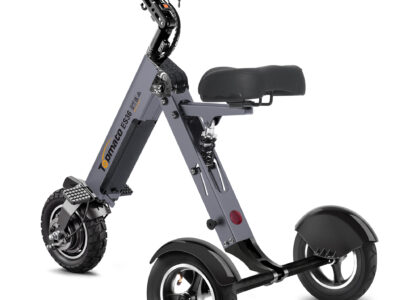
The ES15, for example, has two 250W motors and a manufacturer-rated climbing capability of up to 10°. Its published battery specification is 36V 7.8Ah, and TopMate states a 16–19 mile range.
That range should not be interpreted as a guarantee for a hilly route. A rider who regularly climbs slopes may use more battery than someone traveling the same distance on flat pavement.
Can Tire Pressure Affect Battery Consumption?
Yes.
Tires influence rolling resistance and traction. Underinflated pneumatic tires can create greater rolling resistance, which means the motor may need to work harder to maintain movement.
The effect varies by tire type and scooter design, so riders should follow the manufacturer’s recommended tire pressure rather than inflating tires beyond the specified range.
The same principle applies to tire condition. Excessive wear, damage, or unsuitable pressure can affect handling as well as energy consumption.
What About Rough Surfaces?
Surface conditions can also change battery use.
Smooth pavement generally allows easier rolling than loose or uneven terrain. Grass, gravel, rough sidewalks, and soft surfaces can increase rolling resistance and may require additional motor effort.
For example, a park route may appear similar in distance to a paved neighborhood route. However, if the park contains grass, gravel, slopes, and uneven paths, the scooter may consume energy differently.
TopMate describes the ES15 with three 10-inch pneumatic tires and lists use on sidewalks, gravel paths, grass, and uneven outdoor surfaces.
That specification describes the scooter’s intended operating characteristics; it does not mean every surface will produce the same battery range.
How Does Temperature Affect Battery Performance?
Temperature can influence battery performance.
Cold conditions can reduce the amount of usable energy available from lithium batteries, particularly when temperatures become significantly low. Riders may therefore notice shorter practical range during cold-weather trips.
Heat also affects battery operation and long-term battery health.
Because temperature effects vary with battery chemistry, condition, and operating environment, riders should follow the manufacturer’s charging and storage recommendations.
Why Does Stop-and-Go Riding Matter?
A steady ride and a stop-and-go journey place different demands on the battery.
Imagine visiting a busy shopping center. You may start, stop for pedestrians, slow near entrances, accelerate through open areas, and stop again at checkout lanes.
Each acceleration requires energy. Although the scooter may spend much of the trip at low speed, repeated changes in speed can increase overall consumption.
For a neighborhood ride with fewer interruptions, maintaining a consistent speed may make energy use more predictable.
What Speed Gives the Best Mobility Scooter Range?
There is no universal speed that provides the best range for every scooter.
In general, a moderate, steady speed can provide a practical balance between travel time and energy consumption, especially on level ground. However, manufacturers do not usually provide enough controlled testing data to identify one exact speed as the most efficient setting for every model.
Instead, consider the route.
For a grocery trip, a moderate setting may provide enough speed without encouraging unnecessary acceleration. At a shopping center, a lower setting may provide better control in crowded areas. During a longer outdoor journey, maintaining a consistent speed can help make battery consumption more predictable.
Why Manufacturer Range Figures Are Estimates
Manufacturers provide range figures as a useful comparison point, but actual range can vary substantially.
For example, the TopMate ES33 uses a 36V 7.8Ah battery (~281Wh) and lists a range of 15.53–18.64 miles. The ES15 uses the same battery specification and lists a 16–19 mile range with a 3–4 hour charging time.
These examples show why battery capacity and range are not the same. Actual performance can vary based on the motor, scooter weight, tires, speed, terrain, and riding conditions.
Your actual range may also be affected by:
- Riding speed and acceleration
- Rider and cargo weight
- Hills and surface type
- Tire pressure
- Temperature
- Battery age
- Frequent stops and starts
For more context on real-world performance, see our guide on how far a mobility scooter can travel on one charge.
Practical Examples: How Speed Can Affect a Trip
Grocery Trip
A moderate speed can make sense when the route includes crossings, parking areas, and frequent stops. Carrying groceries on the return journey may also increase energy consumption.
Neighborhood Ride
A steady speed on mostly level pavement creates fewer changes in demand. Avoiding unnecessary acceleration can help make battery use more predictable.
Park Visit
Grass, gravel, slopes, and uneven paths can increase energy consumption. A lower or moderate speed may also provide greater control on changing surfaces.
Shopping Center
Crowded areas often require frequent slowing and stopping. Using a lower setting can help you control the scooter without repeatedly accelerating to maximum speed.
Long Outdoor Journey
For a longer trip, consider the complete route rather than distance alone. Hills, surface type, rider weight, and temperature can all affect whether the available battery is sufficient for the return journey.
How to Maximize Practical Battery Range
The most useful strategy is not simply to ride as slowly as possible. Instead, aim for smooth, consistent riding.
Use a speed appropriate for the environment, avoid unnecessary rapid acceleration, maintain correct tire pressure, and reduce avoidable loads. On longer trips, account for hills and surface conditions before estimating how much battery you need.
Also keep a practical reserve rather than planning a journey that uses nearly all of the manufacturer’s claimed range.
Riding Condition and Battery Use
| Riding Condition | Likely Effect on Battery Use |
|---|---|
| Low/moderate speed | Generally lower energy demand than sustained high-speed riding |
| Maximum speed | Can increase energy consumption, especially when sustained |
| Frequent acceleration | Increases energy demand because the scooter repeatedly accelerates |
| Hills | Increase energy use because the scooter works against gravity |
| Heavy rider/load | Increases the mass the motor must move |
| Rough surfaces | Can increase rolling resistance and energy demand |
| Cold temperatures | Can reduce practical battery performance |
These are general engineering relationships, not fixed percentages. Actual consumption depends on the scooter, rider, route, battery condition, and environment. mobility scooter speed settings
Battery-Saving Riding Checklist
Before a longer trip:
- Choose a moderate, consistent speed when practical.
- Avoid unnecessary rapid acceleration.
- Check tire pressure before riding.
- Account for hills and rough surfaces.
- Consider rider and cargo weight.
- Allow for colder weather when planning range.
- Keep the battery adequately charged before departure.
- Plan enough battery reserve for the return journey.
- Treat the manufacturer’s range as an estimate rather than a guaranteed distance.
Does riding a mobility scooter at maximum speed drain the battery faster?
Generally, sustained maximum-speed riding can use more energy than steady moderate-speed riding. However, manufacturers do not usually provide enough controlled testing to give a fixed percentage of additional battery consumption.
Does rider weight affect mobility scooter battery range?
Yes. A heavier rider or additional cargo increases the total load the motor must move. Hills and frequent acceleration can further increase energy consumption, so actual range may differ from the manufacturer’s stated figure.
What speed is best for maximizing mobility scooter range?
A steady, moderate speed can provide a practical balance between travel time and battery use. The most suitable setting depends on the scooter, terrain, rider weight, traffic conditions, and route.
Does using a lower speed setting save battery?
In many situations, riding at a moderate speed can reduce battery consumption compared with consistently riding at maximum speed. However, actual battery use also depends on rider weight, terrain, stops, acceleration, and other conditions.
Does carrying groceries reduce mobility scooter range?
Additional weight can increase the amount of energy required to move the scooter. If you regularly carry groceries or other items, consider the combined weight of the rider and cargo when estimating practical battery range.
How much battery reserve should I keep for a trip?
Avoid planning a trip that uses the scooter’s entire claimed range. Leave a reasonable reserve because actual battery performance can vary with speed, terrain, rider weight, temperature, and battery condition.

-scaled-2-420x300.jpg)