Quick Answer
If you use a mobility scooter at home, in stores, at appointments, outdoors, and while traveling, look for a mobility scooter for multiple locations that balances maneuverability, portability, comfort, range, stability, and transportability. Instead of choosing the scooter with the best single specification, prioritize the places you visit most often and make sure the scooter works reasonably well across your complete routine.
Key Takeaways
- A scooter that works well indoors may not provide the range or clearance needed outdoors.
- Turning radius and width matter when navigating homes, stores, restaurants, and busy venues.
- Weight and folded dimensions become more important when the scooter regularly travels in a vehicle.
- Seat comfort and stability matter more when outings last several hours.
- Battery range should cover your normal day rather than an occasional longest trip.
- The best choice depends on how you actually use the scooter, not simply on its specifications.
Why One Scooter Needs to Handle Different Environments
Many buyers do not have one predictable use case.
You might start the morning at home, drive to a medical appointment, stop at a grocery store, meet family at a restaurant, and spend the afternoon at a park. Another week might involve visiting relatives or taking the scooter on a trip.
That creates a different buying problem.
You are not simply asking, “What is the best mobility scooter?” You are asking, “What combination of features will work across the places I actually go?”
A highly compact scooter may be convenient to transport but less suitable for long outdoor outings. A larger scooter may provide a comfortable ride but become inconvenient when lifting it into a vehicle.
The goal is therefore to find the right balance.
Which Scooter Characteristics Matter in Different Places?
| Environment | What matters most | Why it matters |
|---|---|---|
| Home | Turning radius, width, maneuverability | Helps around furniture, doorways, and rooms |
| Apartment or retirement community | Width, storage, charging, folding | Makes daily storage and shared spaces easier |
| Grocery stores | Maneuverability, comfort, stability | Helps with aisles, checkout areas, and longer shopping trips |
| Shopping centers | Turning radius, comfort, battery range | Useful for longer distances and frequent stops |
| Restaurants | Width, turning ability, compact storage | Makes tables, entrances, and seating areas easier to navigate |
| Medical appointments | Portability, comfort, reliability | Useful when appointments involve driving and waiting |
| Parks and outdoor destinations | Stability, ground clearance, range | Helps on suitable outdoor surfaces and longer outings |
| Public venues | Width, maneuverability, battery capacity | Crowds and changing pathways require flexibility |
| Travel destinations | Weight, folded dimensions, transportability | The scooter may need to fit into different vehicles or storage areas |
The important point is that no single specification dominates every environment.
At Home
Indoor use puts a premium on maneuverability.
A smaller turning radius can make it easier to move around furniture, approach counters, enter rooms, and make tight turns. Overall width also matters because a scooter that feels manageable outdoors may be awkward in narrow indoor spaces.
If your scooter will regularly move between indoor and outdoor areas, do not judge indoor suitability from wheel size or appearance alone. Check the actual dimensions and turning characteristics.
In Apartments and Retirement Communities
Shared living environments introduce another concern: storage.
You may need to move the scooter through hallways, common areas, entrances, or elevators and then store it without blocking the living space.
Folded dimensions can become just as important as the scooter’s operating dimensions. A removable battery can also make charging more convenient when the scooter itself stays stored in another location.
In Grocery Stores and Shopping Centers
Shopping trips often combine tight maneuvering with longer periods of use.
You need enough maneuverability for aisles and crowded areas, but comfort becomes increasingly important when a trip lasts an hour or more. mobility scooter for multiple locations
Think about the complete trip rather than only the store. How will you get the scooter there? Will it fit in your vehicle? Can you comfortably use it for the return trip?
At Restaurants and Medical Appointments
Restaurants and appointments are usually stop-and-go environments.
You may need to maneuver through an entrance, wait in a reception area, turn near furniture, and park the scooter while sitting or checking in.
For these situations, overall width, turning radius, seat comfort, and portability can matter more than maximum speed.
Medical appointments can also involve several stops in one day, making dependable battery capacity and convenient transport useful.
Parks, Outdoor Destinations, and Public Venues
Outdoor use changes the priorities.
Ground clearance, stability, suitable tires, and battery range become more important when surfaces are less predictable. However, buyers should still consider where the scooter will be stored and transported.
A scooter designed primarily for outdoor travel may be unnecessarily cumbersome if most of your routine happens indoors.
The better approach is to match the scooter to the actual mix of environments you use.
Travel Destinations
Travel places the greatest emphasis on portability.
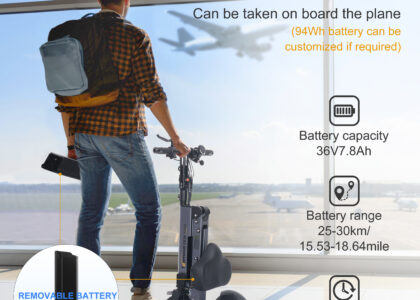
Consider the scooter’s weight, folded dimensions, removable battery, storage requirements, and how easily another person can help transport it.
Before buying, think through the entire journey: vehicle loading, hotel storage, charging, sightseeing, meals, and getting back into the vehicle.
The Buying Factors That Matter Most
Turning Radius and Overall Width
These determine how easily the scooter handles tight spaces.
If you frequently visit stores, restaurants, homes, or indoor community spaces, compare the scooter’s dimensions rather than assuming a folding design automatically means excellent maneuverability.
Folded Dimensions and Weight
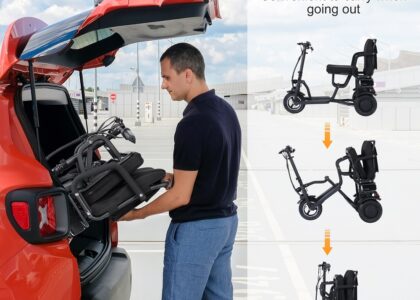
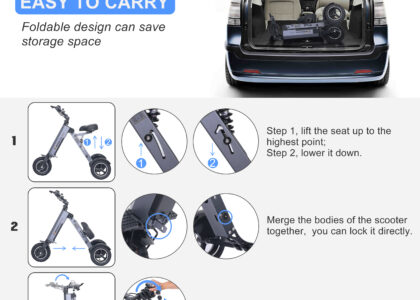
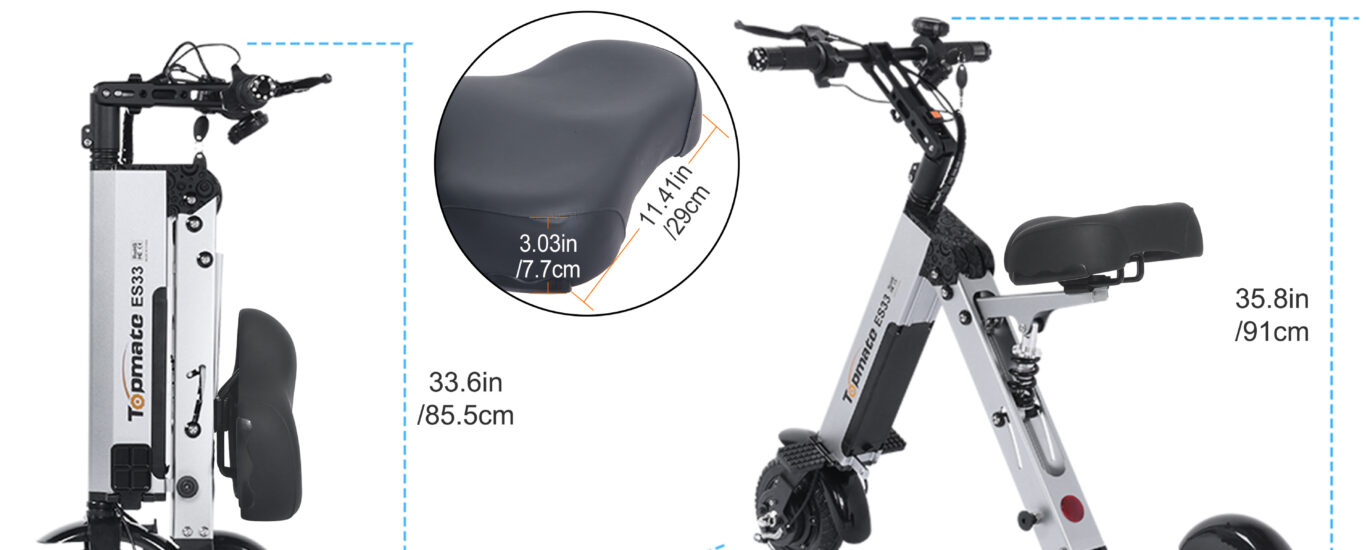
If you regularly load the scooter into a car, folded size and actual lift weight become practical concerns.
Do not look only at the advertised scooter weight. Check whether the battery is removable and determine how much you or your caregiver would actually need to lift.
Comfort and Stability
A scooter used across several locations may be used for both short errands and extended outings.
A comfortable seat and stable platform can therefore matter even if your individual trips vary considerably.
Battery Range and Charging
Estimate your normal daily distance.
If your routine includes multiple stops, allow enough range for unexpected detours rather than choosing a battery based on one short trip.
Also consider where you will charge the scooter. Convenient charging can be more useful than theoretical maximum range.
Ground Clearance
Ground clearance becomes more relevant as you move beyond smooth indoor flooring.
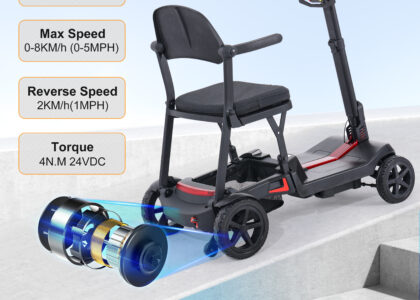
If outdoor destinations are part of your routine, consider whether the scooter is designed for the surfaces you expect to encounter. Avoid assuming that a compact folding scooter is suitable for every type of outdoor terrain.
Real-Life Scenarios: How Different Buyers Might Decide
1. Apartment Resident Who Shops Weekly
An older adult lives in an apartment and uses the scooter around the community, then takes it to the grocery store once a week.
Their priorities may be compact storage, indoor maneuverability, reasonable comfort, and easy vehicle transport. They probably do not need to optimize the scooter around long outdoor distances if those trips are occasional.
2. Driver Who Visits Appointments and Stores
Another senior drives several times each week for appointments, shopping, and errands.
Here, portability becomes a daily issue. A scooter that is easy to fold and load may be more practical than one that offers capabilities rarely used.
3. Indoor and Outdoor User
Someone may spend mornings indoors but regularly visit parks, walking paths, shopping centers, and community destinations.
This person needs a compromise between maneuverability and outdoor capability. Range, stability, and ground clearance deserve more attention than they would for an almost entirely indoor user.
4. Senior Who Frequently Visits Family
A person who regularly visits children or grandchildren may transport the scooter between different homes.
Folded size, weight, storage, and ease of loading can become major decision factors because the scooter is constantly moving between locations.
5. Frequent Traveler
A senior who takes several trips each year may care particularly about portability and predictable transportation.
In this case, the scooter should be evaluated as part of the travel system rather than as a standalone vehicle. Consider how it fits into the car, where it will be stored, how it will be charged, and how easily it can be handled at the destination.
Where TopMate Models May Fit
Different folding scooters can make sense for different combinations of use.
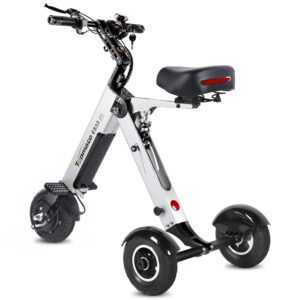
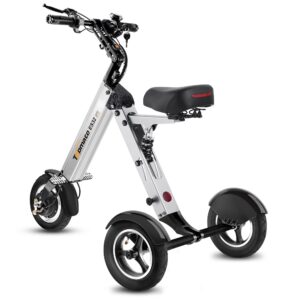
TopMate ES15 fits situations where compactness, portability, and transportation are central concerns. It can make sense for someone who frequently needs to move a scooter between locations.
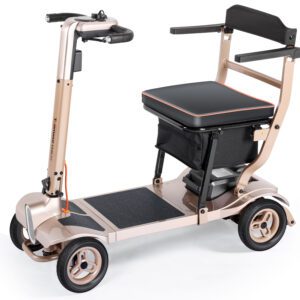
TopMate ES35 is oriented toward everyday use and longer outings, making it relevant for users whose routine includes more substantial trips beyond the home.
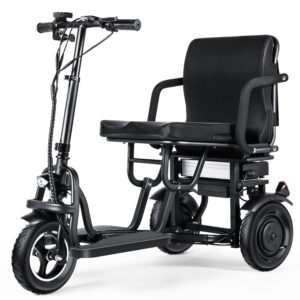
TopMate ES36 can suit buyers looking for a folding option for everyday movement, including indoor and community environments where convenient storage and maneuverability matter.
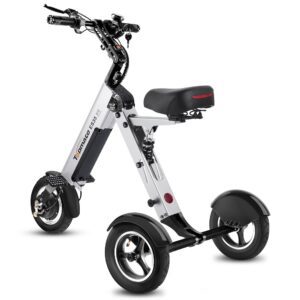
TopMate ES40 is particularly relevant to travel and sightseeing situations, where folding, transportation, and destination mobility are important parts of the experience.
These examples should be evaluated against the user’s complete routine rather than treated as a ranking.
Authentic demonstrations can make these differences easier to understand. A useful YouTube video could show how quickly a model folds, while UGC photos can demonstrate how it fits into a vehicle or home storage area. Real customer-use examples are often more helpful than studio photographs alone.
How I’d Choose a Mobility Scooter for Multiple Locations
Start with your calendar rather than a specification sheet.
Write down the places you visit during a normal week:
- Home
- Shopping
- Medical appointments
- Restaurants
- Family visits
- Outdoor destinations
- Community activities
- Travel
Then divide them into frequent, occasional, and rare.
Next, identify your biggest limitation.
Is it lifting the scooter? Tight indoor spaces? Long distances? Storage? Vehicle space? Comfort?
That answer should determine which specifications receive the most attention.
For example, if transportation happens several times a week, weight and folded dimensions deserve serious consideration. If most trips involve large shopping centers and outdoor destinations, range and comfort may carry more weight. mobility scooter for multiple locations
The objective is not to maximize every specification. It is to find a practical balance for your real routine.
Common Mistakes to Avoid
Choosing based on one specification: Maximum range or minimum weight does not automatically make a scooter suitable for your lifestyle.
Ignoring transport: A scooter can be excellent once assembled but inconvenient if it is difficult to load into your vehicle.
Buying for rare trips: Do not choose your everyday scooter around a destination you visit once or twice a year.
Forgetting storage: Measure the space where the folded scooter will actually live.
Assuming folding means lightweight: Folding and easy lifting are different characteristics. Check the real weight and how the weight is distributed.
Skipping real-world demonstrations: Look for videos, customer photos, and demonstrations showing folding, loading, storage, and everyday use.
FAQ
What is the best mobility scooter for multiple locations?
The right mobility scooter for multiple locations depends on the environments you use most often. A practical choice should balance maneuverability, portability, comfort, stability, range, storage, and transport rather than maximizing one specification.
Can one mobility scooter work indoors and outdoors?
Yes, provided its design matches both environments. Indoor use typically favors a manageable width and turning radius, while outdoor use can require greater stability, suitable ground clearance, and enough battery range for longer trips.
Should I prioritize weight or battery range?
Prioritize the factor that creates the biggest limitation in your routine. If you frequently load the scooter into a vehicle, weight may be critical. If you regularly spend several hours away from home, battery range may deserve greater attention.
How do I know if a folding mobility scooter is suitable for travel?
Check more than whether it folds. Compare its actual weight, folded dimensions, battery design, storage requirements, and how easily it can be loaded into your vehicle. Then consider how those characteristics fit your complete travel routine.