Introduction
If you’re planning to buy or already own an electric tricycle, one question matters most: how long does electric tricycle battery life actually last? In 2026, battery technology has improved, but real-world performance still depends heavily on usage, charging habits, and maintenance.
Understanding electric tricycle battery life helps you avoid unexpected costs, maximize range, and make smarter decisions—whether you’re a senior, commuter, or first-time buyer.
Quick Answer
An electric tricycle battery typically lasts 2 to 5 years or 500 to 1,000 charging cycles, depending on battery type and usage. Lithium-ion batteries last longer (3–5 years), while lead-acid batteries usually last 1–3 years. Proper charging and maintenance can significantly extend lifespan.
What Affects Electric Tricycle Battery Lifespan?
Battery life depends on multiple real-world factors
Battery lifespan is not fixed. It varies based on how the tricycle is used and maintained.
Battery Type and Technology
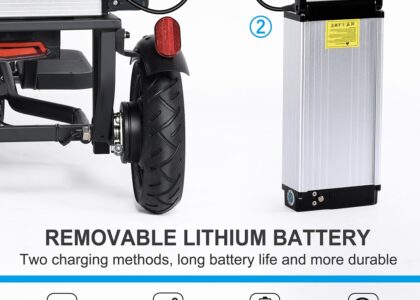
Lithium-Ion Batteries
- Lifespan: 3–5 years
- Charging cycles: 800–1,000+
- Lightweight and efficient
Lead-Acid Batteries
- Lifespan: 1–3 years
- Charging cycles: 300–500
- Lower upfront cost but shorter life
Most electric tricycles in 2026 use lithium-ion batteries due to better performance and durability.
Charging Cycles Explained
What is a Charging Cycle?
A charging cycle means using 100% of battery capacity, not necessarily in one go.
Example:
- 50% usage today + 50% tomorrow = 1 full cycle
Typical Cycle Limits
- Lithium-ion: 800–1,000 cycles
- Lead-acid: 300–500 cycles
More cycles mean gradual battery degradation.
Riding Habits and Usage
Factors That Drain Battery Faster
- Riding uphill
- Carrying heavy loads
- High-speed riding
- Extreme temperatures
Real-World Example
A daily commuter riding 10–15 km typically gets 3–4 years from a lithium battery with proper care.
Climate and Storage Conditions
Ideal Conditions
- Temperature: 10°C to 25°C
- Dry environment
Risks
- Heat damages battery chemistry
- Cold reduces range temporarily
Avoid leaving your tricycle in extreme weather.
Electric Tricycle Battery Types Comparison
| Feature |
Lithium-Ion Battery |
Lead-Acid Battery |
| Lifespan |
3–5 years |
1–3 years |
| Charging Cycles |
800–1,000+ |
300–500 |
| Charging Time |
3–6 hours |
6–10 hours |
| Weight |
Lightweight |
Heavy |
| Cost |
Higher upfront |
Lower upfront |
| Maintenance |
Low |
Moderate |
| Efficiency |
High |
Moderate |
| Best For |
Daily commuting |
Occasional use |
How Far Does an Electric Tricycle Go Per Charge?
Average Range
- Lithium battery: 30–70 km per charge
- Lead-acid battery: 20–40 km per charge
What Impacts Range?
Key Factors
- Battery capacity
- Rider weight
- Terrain
- Speed mode
Range varies significantly depending on real-world usage.
Signs Your Battery Is Wearing Out
Common Warning Signs
- Reduced range
- Slow charging
- Quick battery drain
- Power inconsistency
- Overheating
If performance drops below 60–70%, replacement may be needed.
How to Extend Electric Tricycle Battery Life
Best Practices
Smart Charging
- Avoid draining to 0%
- Maintain 20–80% charge
- Use original charger
Avoid Overcharging
- Do not keep plugged in overnight frequently
Proper Storage
- Store at 50% charge
- Keep in cool, dry place
Efficient Riding
- Use moderate speed
- Avoid sudden acceleration
- Reduce load
Regular Maintenance
- Clean terminals
- Check wiring
- Inspect battery condition
Charging Tips for Maximum Lifespan
Do
- Charge after use
- Let battery cool before charging
- Keep battery dry
Don’t
- Use non-recommended chargers
- Charge immediately after heavy riding
- Expose battery to water
Quick Facts
- Battery lifespan: 2–5 years
- Charging cycles: 300–1,000+
- Best option: Lithium-ion
- Ideal charge range: 20–80%
- Replacement cost: Moderate to high
Real-World Usage Scenarios
Senior Users
- 5–10 km/day
- Battery lasts 4–5 years
Daily Commuters
- 15–25 km/day
- Battery lasts 2.5–4 years
Heavy Usage
- 30+ km/day
- Battery lasts 2–3 years
When Should You Replace the Battery?
Replacement Indicators
- Range becomes unreliable
- Charging takes longer
- Noticeable performance drop
- Battery age exceeds 3–5 years
Use only compatible and approved batteries for safety.
Conclusion
Electric tricycle battery lifespan depends on usage, charging habits, and maintenance. Most batteries last between 2 to 5 years, but proper care can extend this significantly.
For 2026 buyers, choosing a lithium-ion battery and following best practices ensures better performance, longer lifespan, and lower overall cost. Electric tricycle buying guide for beginners