Quick Answer
When shopping for a mobility scooter, most people focus on the purchase price. However, the upfront cost is only one part of the total investment. Over time, owners may also pay for battery replacements, maintenance, repairs, charging, accessories, transportation equipment, and travel-related expenses.
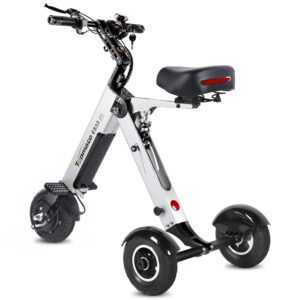
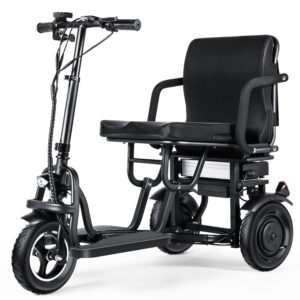
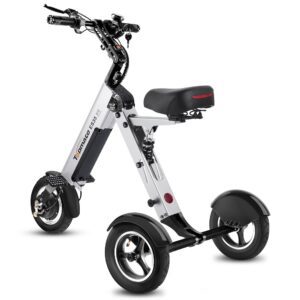
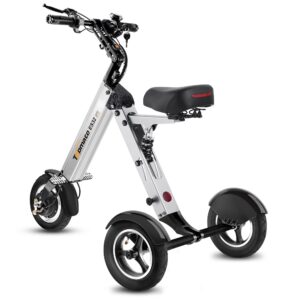
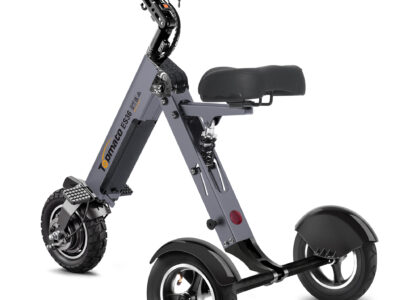
Fortunately, many of these costs are predictable. Therefore, understanding them before you buy can help you choose a scooter that fits both your mobility needs and your budget. While lightweight travel scooters such as the TopMate ES15 often reduce transportation and storage expenses, larger traditional mobility scooters may require additional investments in vehicle lifts, maintenance, and storage space. As a result, evaluating total ownership costs is just as important as comparing speed, range, and comfort.
Why Understanding Mobility Scooter Ownership Costs Matters
A mobility scooter can provide freedom, independence, and improved quality of life. Nevertheless, many first-time buyers underestimate the long-term costs associated with ownership.
Most shoppers compare features such as battery range, comfort, speed, and portability. However, ongoing expenses often determine the true value of a scooter. For example, a model with a lower purchase price may require more frequent battery replacements or costly repairs. Meanwhile, a slightly more expensive scooter could deliver lower ownership costs over several years.
In addition, storage requirements and transportation needs can significantly impact overall expenses. Because of this, understanding the full financial picture helps buyers make smarter purchasing decisions.
The Major Hidden Costs of Mobility Scooter Ownership
Battery Replacement Costs
Battery replacement is one of the most significant long-term expenses associated with mobility scooter ownership.
Although batteries are designed to last for years, every battery eventually reaches the end of its useful life. Furthermore, lifespan varies depending on usage patterns, charging habits, storage conditions, and climate.
Typical Battery Lifespan
| Battery Type | Average Lifespan |
|---|---|
| Lead-Acid Battery | 1–3 Years |
| Lithium Battery | 3–5+ Years |
Typical Replacement Costs
| Battery Type | Estimated Cost |
| Lead-Acid Battery Set | $100–$400 |
| Lithium Battery Pack | $300–$1,000+ |
Lead-acid batteries generally cost less upfront. However, they often require replacement sooner. By comparison, lithium batteries typically last longer and provide more consistent performance. Therefore, many travelers prefer lithium-powered scooters despite the higher initial cost.
Charging and Electricity Costs
Many new owners worry about increased electricity bills. Fortunately, charging a mobility scooter is relatively inexpensive.
Most scooters use far less electricity than major household appliances. Consequently, charging costs usually remain low throughout the year.
Typical Charging Costs
- Daily charging: A few cents per charge
- Monthly charging: Often less than $5
- Annual charging cost: Approximately $20–$60
While these costs vary by location and electricity rates, charging remains one of the smallest ownership expenses. Even frequent users rarely see a noticeable increase in their utility bills.
Tire Wear and Replacement
Just like a car, a mobility scooter experiences tire wear over time.
Outdoor use accelerates tire deterioration, especially on rough sidewalks, gravel paths, and uneven pavement. In contrast, indoor use generally results in slower wear.
Common Causes of Tire Wear
- Daily outdoor riding
- Rough terrain
- Frequent braking
- Heavy rider weight
- Improper tire inflation
Typical Tire Costs
| Item | Estimated Cost |
| Single Tire | $30–$100 |
| Complete Tire Set | $100–$400 |
Routine Maintenance Expenses
Routine maintenance helps keep a mobility scooter operating safely and efficiently.
Although maintenance requirements are usually modest, neglecting basic service can lead to more expensive repairs later. Therefore, regular inspections are highly recommended.
Common maintenance tasks include:
- Brake inspection
- Tire checks
- Battery testing
- Electrical inspections
- Motor evaluation
- Fastener tightening
Estimated Annual Maintenance Cost
Most owners spend between:
$50–$300 per year
However, maintenance costs depend on usage frequency and scooter type.
Repair Costs After Warranty Coverage Ends
Even well-built mobility scooters occasionally require repairs.
As components age, replacement parts may become necessary. Furthermore, repair costs can vary significantly depending on the issue.
Common Repairs
- Motor replacement
- Controller replacement
- Wiring repairs
- Charger port repairs
- Brake adjustments
- Folding mechanism repairs
Typical Repair Costs
| Repair Type | Estimated Cost |
| Minor Repair | $50–$200 |
| Moderate Repair | $200–$600 |
| Major Component Repair | $500–$1,500+ |
Consequently, buyers should consider warranty coverage when comparing models.
Travel Expenses Many Buyers Forget About
Airport Travel Costs
Many airlines accommodate mobility scooters without additional fees. Nevertheless, airport travel may involve other expenses.
Examples include:
- Protective travel bags
- Backup chargers
- Replacement batteries
- Travel insurance
- Shipping accessories
Additionally, some travelers purchase extra battery packs for peace of mind during longer trips.
Cruise Travel Expenses
Cruise vacations create unique mobility challenges.
Although mobility scooters can greatly improve accessibility onboard, additional purchases may be required.
Examples include:
- Weather covers
- Cabin charging accessories
- Travel storage bags
- Protective equipment
Fortunately, foldable scooters often simplify cruise travel because they require less storage space.
RV and Road Trip Costs
RV travelers frequently bring mobility scooters along for sightseeing and daily mobility.
However, road travel may require:
- Portable charging equipment
- Storage modifications
- Vehicle carriers
- Additional accessories
Because of this, transportation planning becomes an important part of ownership.
Vehicle Transportation Costs
Transportation expenses are among the most overlooked ownership costs.
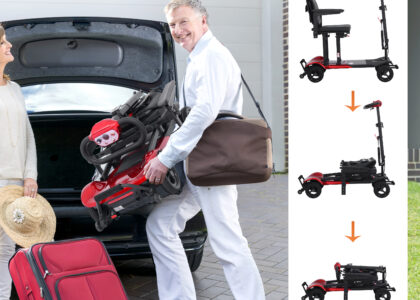
For lightweight foldable scooters, transportation is usually straightforward. In many cases, the scooter fits inside an SUV, crossover, or hatchback without special equipment. Therefore, transportation costs remain relatively low.
Larger scooters present a different challenge. Due to their size and weight, many owners require ramps, carriers, or lift systems.
Transportation Equipment Costs
| Equipment | Estimated Cost |
| Portable Ramp | $100–$500 |
| Hitch Carrier | $200–$1,000 |
| Powered Vehicle Lift | $1,000–$5,000+ |
As a result, transportation equipment can sometimes cost as much as the scooter itself.
Accessory Costs That Add Up Over Time
Accessories improve convenience and usability. However, they can also increase ownership costs.
Popular accessories include:
- Storage baskets
- Cup holders
- Phone mounts
- Travel bags
- Weather covers
- Additional chargers
- Safety lights
Typical Accessory Costs
| Accessory | Cost Range |
| Basket | $20–$100 |
| Travel Bag | $50–$200 |
| Cover | $30–$150 |
| Extra Charger | $30–$150 |
| Phone Holder | $15–$50 |
Individually, these purchases seem small. Collectively, however, they can add several hundred dollars over the life of the scooter.
Storage Costs and Space Requirements
Storage is another expense that many buyers fail to consider.
A scooter must be stored safely when not in use. Therefore, available space should influence your buying decision.
Common storage locations include:
- Garages
- Closets
- Apartments
- RV compartments
- Assisted living residences
Foldable scooters generally require less storage space. Consequently, they may reduce the need for additional storage solutions.
By contrast, larger scooters often require dedicated areas for parking and charging.
Comparing Ownership Costs by Scooter Type
| Expense Category | TopMate ES15 | Travel Scooter | Traditional 4-Wheel Scooter |
| Battery Replacement | Moderate | Moderate | Moderate-High |
| Charging Costs | Low | Low | Low |
| Maintenance | Low | Moderate | Moderate-High |
| Transportation | Low | Moderate | High |
| Storage | Low | Moderate | High |
| Travel Convenience | Excellent | Good | Limited |
| Long-Term Ownership Cost | Lower | Moderate | Higher |
Pros and Cons of Lower-Cost vs Premium Scooters
Budget-Friendly Scooters
Pros
- Lower upfront cost
- Affordable entry point
- Suitable for occasional use
Cons
- Potentially shorter lifespan
- Fewer premium features
- Possible increase in repair frequency
Premium Scooters
Pros
- Better build quality
- Longer expected lifespan
- Improved comfort
- Stronger warranty support
Cons
- Higher purchase price
- More expensive replacement parts
Real-Life Cost Example
Consider two scooter owners over a five-year period.
Owner A: Foldable Travel Scooter
Potential expenses:
- Battery replacement: $400
- Charging: $150
- Maintenance: $500
- Accessories: $250
Estimated Five-Year Cost: $1,300
Owner B: Traditional 4-Wheel Scooter
Potential expenses:
- Battery replacement: $600
- Charging: $200
- Maintenance: $1,000
- Vehicle lift: $2,000
- Accessories: $400
Estimated Five-Year Cost: $4,200
Actual costs vary by model and usage. Nevertheless, this example highlights how transportation equipment and maintenance can significantly impact ownership expenses.
Real-Life Buying Considerations
Before purchasing a mobility scooter, ask yourself the following questions:
How Often Will You Use It?
Daily users may benefit from investing in higher-quality components that last longer.
Will You Travel Frequently?
Frequent travelers often prioritize lightweight designs that reduce transportation costs.
Do You Have Storage Space?
Limited storage may make a foldable scooter the more practical choice.
Can You Load the Scooter Yourself?
If lifting is difficult, portability becomes especially important.
What Is Your Long-Term Budget?
Looking beyond the purchase price often reveals which scooter offers the best overall value.
Final Recommendation
The hidden costs of owning a mobility scooter extend far beyond the purchase price. While charging costs are usually minimal, battery replacement, maintenance, repairs, accessories, storage solutions, and transportation equipment can significantly affect long-term ownership expenses.
Fortunately, most of these costs are predictable. Therefore, buyers who understand them upfront can make more informed decisions. For frequent travelers, foldable scooters such as the TopMate ES15 often reduce transportation and storage costs. Meanwhile, users who prioritize comfort and daily outdoor riding may find greater value in a traditional 4-wheel scooter despite the higher ownership expenses.
FAQ
What are the biggest hidden costs of owning a mobility scooter?
The biggest hidden costs typically include battery replacement, maintenance, repairs, transportation equipment, and accessories purchased over time.
How often do mobility scooter batteries need to be replaced?
Lead-acid batteries usually last 1–3 years, while lithium batteries often last 3–5 years or longer, depending on usage and charging habits.
Does charging a mobility scooter increase electricity bills significantly?
No. Most mobility scooters use relatively little electricity, and charging costs are often less than $5 per month for regular users.
Are foldable mobility scooters cheaper to own than traditional scooters?
In many cases, yes. Foldable mobility scooters often have lower transportation and storage costs because they are lighter and easier to carry or load into a vehicle.

-scaled-2-420x300.jpg)