Quick Answer
If you mainly travel on pavements, visit shops, attend medical appointments, or need a lightweight scooter that fits in your car, a Class 2 mobility scooter is usually the better choice. If you regularly travel longer distances and need to use certain roads as well as pavements, a Class 3 mobility scooter offers greater speed, comfort, and range. The right option depends on where you ride, how far you travel, and how portable your scooter needs to be.
Why the Difference Matters
Choosing between a Class 2 vs Class 3 mobility scooter is one of the most important decisions you’ll make before buying a mobility scooter. While both are designed to help people stay independent, they serve different purposes.
Many first-time buyers assume that a faster scooter is automatically better. In reality, that’s rarely true. Someone who mainly shops locally or visits friends may never benefit from a larger road-going scooter. On the other hand, someone living in a rural village may appreciate the extra speed and longer range of a Class 3 model.
Understanding the differences will help you buy a scooter that matches your lifestyle instead of paying for features you’ll rarely use.
Class 2 vs Class 3 Mobility Scooter Comparison
| Feature | Class 2 Mobility Scooter | Class 3 Mobility Scooter |
|---|---|---|
| Maximum Speed | Up to 4 mph | Up to 8 mph on roads (4 mph on pavements) |
| Road Legal | No (except crossing roads) | Yes |
| Pavement Use | Yes | Yes |
| Battery Size | Smaller | Larger |
| Typical Range | 8–20 miles | 20–35+ miles |
| Weight | Lightweight | Heavier |
| Suspension | Basic or none | Usually advanced |
| Comfort | Good for short trips | Better for longer journeys |
| Portability | Excellent | Limited |
| Storage | Easy to fold or transport | Requires larger storage space |
| Best For | Shopping, local errands, travel | Longer journeys and mixed road use |
What Is a Class 2 Mobility Scooter?
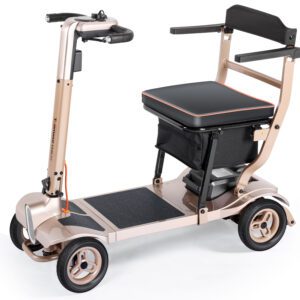
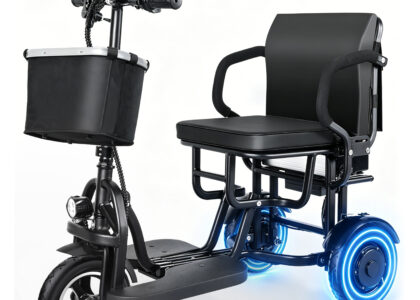
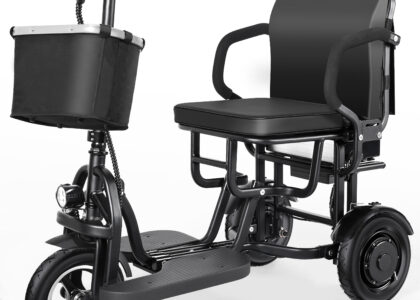
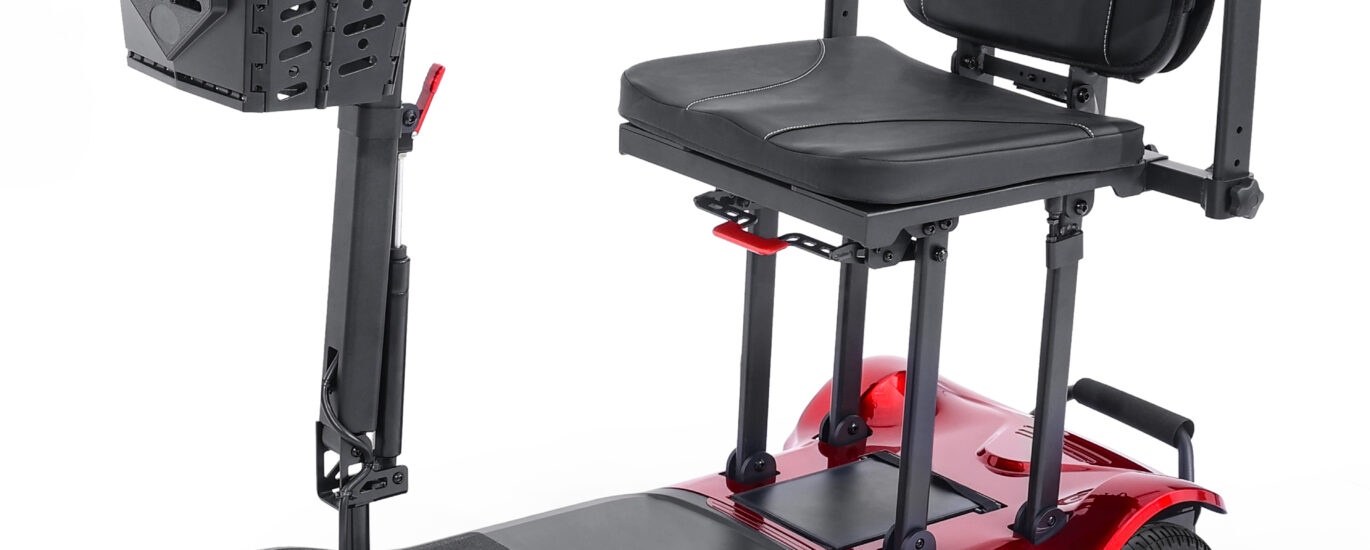
A Class 2 mobility scooter is a pavement mobility scooter designed primarily for sidewalks, pedestrian areas, shopping centers, parks, and indoor spaces.
These scooters have a maximum speed of 4 mph, making them ideal for everyday local travel.
Most travel-friendly and folding scooters fall into this category because they’re designed to be:
- Lightweight
- Easy to transport
- Compact enough for car trunks
- Simple to store at home
For many seniors, this type of scooter offers everything needed for maintaining independence without the extra size and weight of a road-going model.
What Is a Class 3 Mobility Scooter?
A Class 3 mobility scooter is often called a road legal mobility scooter because it can be driven on certain public roads as well as pavements.
These scooters typically travel up to 8 mph on roads, although the speed must be reduced to 4 mph when using pavements.
Because they’re intended for longer journeys, they usually include:
- Larger batteries
- Better suspension
- More comfortable seating
- Larger wheels
- Improved stability over uneven terrain
They’re commonly chosen by users who travel several miles each day.
Class 2 vs Class 3 Mobility Scooter: Legal Requirements
Before purchasing either scooter, it’s important to understand the rules.
Class 2 Mobility Scooter
- Maximum speed: 4 mph
- Designed for pavements
- Can cross roads
- Not intended for normal road driving
Class 3 Mobility Scooter
- Maximum speed: 8 mph on roads
- Must travel at 4 mph on pavements
- Can legally use many public roads (except where prohibited, such as most motorways)
- Must have features such as lights, indicators, mirrors, horn, and reflectors to meet road-use requirements
Local regulations vary by country, so always check the rules where you live before using a mobility scooter on public roads.
Where Can Each Type Be Used?
Choosing the right scooter often comes down to where you ride most often.
Class 2 Mobility Scooter
Ideal for:
- Grocery shopping
- Parks
- Shopping malls
- Retirement communities
- Sidewalks
- Medical appointments
- Airports
- Cruise terminals
Class 3 Mobility Scooter
Better suited for:
- Rural villages
- Longer daily commutes
- Country roads
- Larger residential areas
- Mixed pavement and road travel
If 90% of your journeys happen on pavements, a Class 2 scooter is usually the more practical option.
Travel Restrictions
A travel mobility scooter is almost always easier to transport than a Class 3 model.
Class 2 scooters are generally:
- Foldable
- Lightweight
- Suitable for SUVs and many car trunks
- Easier to take on vacations
- Convenient for cruises and airports (subject to airline and cruise policies)
Class 3 scooters are:
- Much heavier
- Difficult to lift
- Often transported using vehicle lifts or trailers
- Less convenient for frequent travelers
For families who enjoy road trips, portability often becomes more valuable than higher speed.
Daily Usability
From years of helping mobility scooter buyers, one pattern stands out: people tend to use their scooter more often when it’s easy to transport and store.
A compact Class 2 scooter can quickly become part of daily life because it’s simple to load into a vehicle and use for short outings.
A larger Class 3 scooter shines when daily travel involves several miles, uneven roads, or frequent outdoor journeys.
The best scooter isn’t necessarily the fastest—it’s the one you’ll use comfortably every day.
Which One Is Better For?
Seniors
Best choice: Class 2
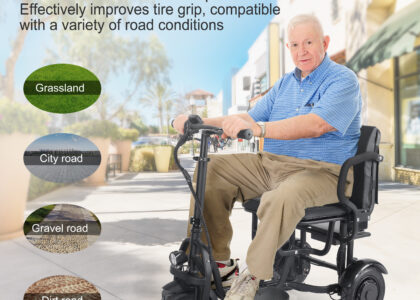
Most seniors primarily visit nearby shops, friends, medical appointments, and parks. A lightweight scooter is often easier to handle.
Daily Errands
Best choice: Class 2
Short local trips rarely require road speeds.
Long-Distance Travel
Best choice: Class 3
Larger batteries and better seating make extended journeys more comfortable.
Rural Users
Best choice: Class 3
People living outside towns often travel longer distances between destinations.
City Users
Best choice: Class 2
Cities usually offer wide pavements, shopping areas, and pedestrian-friendly routes where compact scooters perform well.
Caregivers
Best choice: Class 2
A foldable scooter is easier for caregivers to load into vehicles and store at home.
Pros and Cons
Class 2 Mobility Scooter
Pros
- Lightweight
- Easy to fold and transport
- Great for travel
- Easier to store
- Lower operating costs
- Simple to maneuver indoors
Cons
- Lower maximum speed
- Shorter driving range
- Not designed for regular road travel
Class 3 Mobility Scooter
Pros
- Road legal
- Faster travel
- Longer battery range
- Better suspension
- More comfortable for long journeys
Cons
- Heavy
- More difficult to transport
- Requires more storage space
- Usually costs more
Real-Life Buying Scenarios
Grocery Shopping
A Class 2 scooter easily navigates supermarket aisles and parking areas while fitting into most vehicles for the trip home.
Retirement Communities
Many retirement communities feature paved walking paths and nearby facilities. A Class 2 scooter is often the easiest solution for daily independence.
Parks
Compact pavement scooters are ideal for relaxing rides through local parks and recreational paths.
Shopping Malls
Smaller scooters are easier to maneuver through crowded stores and food courts.
Doctor Appointments
Being able to fold a scooter into the car makes regular healthcare visits much simpler.
Family Vacations
A portable Class 2 scooter is easier to transport during road trips, hotel stays, and sightseeing, making travel less stressful for both users and caregivers.
TopMate Recommendation
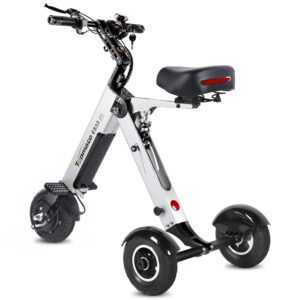
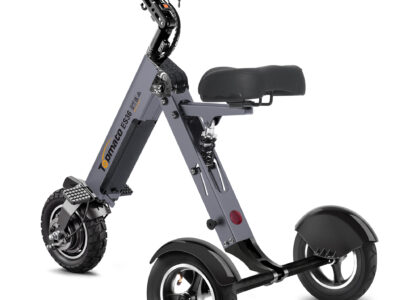
For buyers looking for a pavement mobility scooter that is portable, easy to transport, and designed for everyday independence, TopMate’s foldable mobility scooters are an excellent fit.
They are especially suitable for people who:
- Mainly ride on pavements
- Frequently travel by car
- Need compact storage
- Visit shopping centers and parks
- Attend regular appointments
- Want a lightweight scooter that is easy to handle
Because they fold quickly and occupy less storage space than larger road-going scooters, they offer a practical solution for many seniors and caregivers.
Conclusion
When comparing a Class 2 vs Class 3 mobility scooter, there isn’t a one-size-fits-all winner. The best choice depends on how and where you’ll use it.
For most people who shop locally, visit doctors, enjoy parks, or travel with family, a Class 2 mobility scooter offers the ideal combination of portability, convenience, and ease of use. If your daily routine includes longer journeys or regular road travel, a Class 3 mobility scooter provides greater range, speed, and comfort.
FAQ
What is the main difference between a Class 2 and Class 3 mobility scooter?
A Class 2 mobility scooter is designed for pavements, while a Class 3 mobility scooter can legally be used on both pavements and certain public roads.
Can a Class 3 mobility scooter be driven on the pavement?
Yes, but it must travel at a maximum speed of 4 mph when used on pavements.
Which mobility scooter is better for travel and everyday errands?
A Class 2 mobility scooter is usually better because it is lighter, more portable, and easier to transport and store.
Do I need a road legal mobility scooter?
Only if you regularly travel on public roads; for shopping, parks, and local errands, a Class 2 mobility scooter is usually sufficient.