
Winter can be beautiful, but it also presents unique challenges for mobility scooter owners. Whether you’re heading to a medical appointment, shopping for groceries, or enjoying a winter vacation, cold temperatures can affect your scooter’s battery performance in ways many first-time owners don’t expect.
The good news is that cold weather alone does not usually cause permanent battery damage. However, improper charging, prolonged exposure to freezing temperatures, and poor storage habits can shorten battery life over time. Cold Weather Scooter Battery
Quick Answer
Cold weather temporarily reduces lithium battery performance, but it doesn’t usually cause permanent damage by itself.
Permanent damage is more likely when you:
- Charge a lithium battery below its recommended temperature
- Leave the battery discharged in freezing conditions for extended periods
- Allow moisture to enter battery connections
- Store the scooter outdoors throughout winter
- Ignore warning signs of battery deterioration
With proper care, most mobility scooter batteries can continue performing reliably through many winter seasons. Cold Weather Scooter Battery
How Cold Weather Affects Lithium Batteries
Lithium-ion batteries power modern mobility scooters because they are lightweight, rechargeable, and energy efficient. However, all lithium batteries experience temporary performance changes in cold weather.
Reduced Capacity
As temperatures drop, the battery stores and delivers energy less efficiently.
Many riders notice:
- Shorter driving range
- More frequent charging
- Reduced power on hills
For example, a scooter that normally travels 15 miles may cover only 10–12 miles on a very cold day.
Voltage Drop
Cold temperatures slow the battery’s internal chemical reactions, causing voltage to drop more quickly under load.
You may notice:
- Battery indicator decreasing faster
- Reduced acceleration
- Lower climbing performance
In many cases, the battery recovers some of its capacity after warming back to room temperature.
Slower Charging
Lithium batteries accept a charge more slowly in colder environments.
Charging a battery immediately after it has been sitting in freezing temperatures may:
- Take longer
- Be less efficient
- Increase battery stress if done below the manufacturer’s recommended temperature
Increased Internal Resistance
Cold weather increases the battery’s internal resistance, meaning more energy is lost as heat rather than delivered to the motor.
This can result in:
- Reduced efficiency
- Lower available power
- Increased energy consumption
Can Permanent Damage Happen?
Yes—but usually because of how the battery is handled, not because of the cold itself.
Extreme Temperatures
Leaving a mobility scooter outdoors in sub-freezing temperatures for days or weeks places unnecessary stress on the battery and electronic components.
Long-Term Storage
Storing a fully discharged battery throughout winter can permanently reduce its capacity.
Instead:
- Store indoors whenever possible.
- Keep the battery partially charged if recommended by the manufacturer.
- Recharge periodically during long-term storage.
Charging Below Freezing
Charging a lithium battery while it is below freezing can damage the battery’s internal cells.
Always allow the battery to warm to room temperature before charging.
This is one of the most common causes of premature battery failure during winter.
Moisture Risks
Snow, rain, and condensation can introduce moisture into electrical connections.
Moisture may cause:
- Corrosion
- Electrical faults
- Charging issues
- Reduced reliability
Dry the scooter thoroughly after every winter ride.
Signs Your Battery Has Been Damaged
Watch for these warning signs:
Reduced Range
Your scooter travels significantly fewer miles even after a full charge.
Sudden Shutdown
The scooter powers off unexpectedly despite showing remaining battery capacity.
Slow Charging
Charging takes much longer than normal or fails to reach a full charge.
Battery Overheating
A battery that becomes unusually warm during normal charging or use should be inspected.
Power Loss
Noticeably weaker acceleration or reduced hill-climbing ability may indicate battery wear.
If these issues persist even in mild temperatures, the battery may need professional evaluation.
Safe Operating Temperature Guide
| Activity | Recommended Temperature |
|---|---|
| Riding | 32°F to 104°F (0°C to 40°C) |
| Charging | 41°F to 95°F (5°C to 35°C) |
| Storage | 50°F to 77°F (10°C to 25°C) |
Winter Battery Care Tips
Charge Indoors
Whenever possible, remove the battery (if applicable) and charge it in a dry indoor environment.
Warm the Battery Naturally
If your scooter has been outside, allow the battery to warm gradually indoors before charging. Avoid using heaters or direct heat sources.
Store Properly
Store your scooter:
- Indoors
- In a dry location
- Away from freezing temperatures
- Out of direct sunlight and excessive humidity
Maintain a Regular Charging Schedule
Even during periods of inactivity, recharge the battery periodically to prevent deep discharge.
Prevent Moisture Build-Up
After riding in snow or rain:
- Wipe down the scooter.
- Dry battery contacts.
- Inspect charging ports.
- Remove dirt and road salt.
Routine cleaning helps prevent corrosion.
Comparing TopMate Batteries for Winter Travel
| Model | Battery Type | Typical Range* | Cold Weather Suitability | Charging Time |
|---|---|---|---|---|
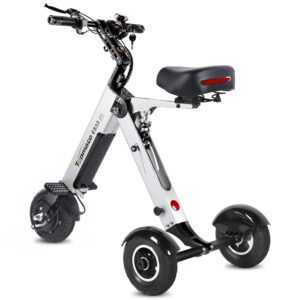
| TopMate ES15 | Lithium-ion | Up to 13 miles | Excellent for short winter trips | Approx. 4–6 hours |
| TopMate ES33 | Lithium-ion | Longer travel range | Very good for regular winter use | Approx. 5–7 hours |
| TopMate ES36 | Lithium-ion | Extended range | Best for colder climates and longer rides | Approx. 6–8 hours |
Real-World Winter Scenarios
1. Morning Medical Appointment
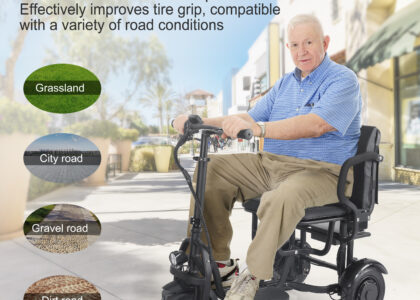
A senior stores the scooter indoors overnight and enjoys reliable performance on a short trip to a clinic despite freezing outdoor temperatures.
2. Grocery Shopping in Canada
A caregiver notices reduced range after driving through snow and plans the return trip with a fully charged battery.
3. Winter Cruise Departure
A traveler keeps the scooter battery indoors at the hotel before heading to the cruise terminal, helping maintain battery performance during embarkation.
4. Holiday Visits
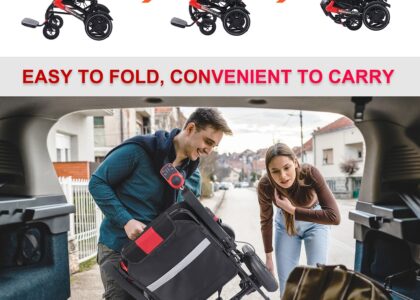
A family transports the folded scooter in a warm vehicle rather than leaving it overnight in the trunk, reducing cold-related battery stress.
5. Northern Europe City Tour
A couple exploring Christmas markets takes breaks indoors, allowing both themselves and the scooter battery to warm naturally.
Common Winter Battery Mistakes
Avoid these common errors:
- Charging immediately after bringing the scooter in from freezing weather.
- Leaving the scooter outdoors overnight.
- Storing the battery completely discharged.
- Ignoring moisture around charging ports.
- Using an unapproved charger.
- Skipping regular battery charging during storage.
- Driving until the battery is completely empty every trip.
- Covering the charger while charging, preventing ventilation.
- Forgetting to clean road salt from the scooter.
- Assuming reduced winter range always means the battery is failing.
Winter Maintenance Checklist
Before and during winter: Cold Weather Scooter Battery
- Inspect battery terminals for corrosion.
- Charge the battery indoors.
- Check tire pressure regularly.
- Clean dirt, snow, and salt after rides.
- Test lights and brakes.
- Inspect cables for wear.
- Store in a dry location.
- Recharge during long storage periods.
- Review the owner’s manual for seasonal maintenance.
- Schedule service if you notice repeated power issues.
Final Recommendation
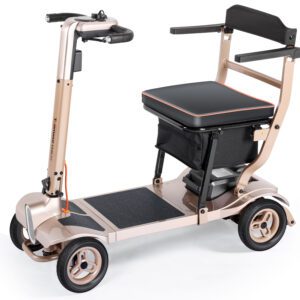
If you frequently travel in colder climates, choosing a mobility scooter with a dependable lithium battery, removable charging capability, and practical portability is essential.
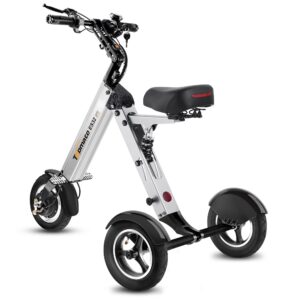
- TopMate ES15 is an excellent choice for seniors who primarily take short winter trips, medical appointments, or shopping outings thanks to its lightweight design and easy indoor storage.
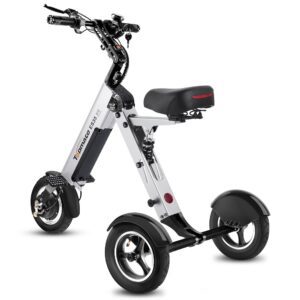
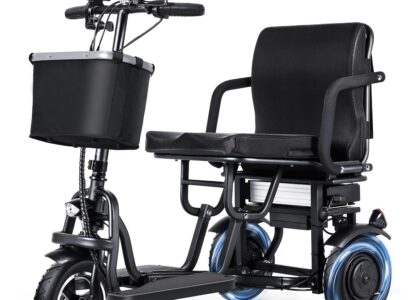
- TopMate ES33 offers a strong balance of portability and range, making it suitable for regular daily use throughout winter.
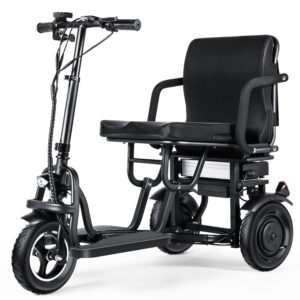
- TopMate ES36 is the best option for colder climates, longer outdoor rides, and winter travel because its extended range helps offset the temporary reduction in battery performance caused by low temperatures.
No matter which model you choose, proper charging, indoor storage, and regular maintenance will have a much greater impact on battery longevity than cold weather alone.
FAQ
Can freezing temperatures permanently damage a mobility scooter battery?
Cold temperatures alone usually do not cause permanent damage. Problems are more likely if the battery is charged while frozen, stored improperly, or exposed to moisture for extended periods.
Why does my mobility scooter have less range in winter?
Cold weather slows the chemical reactions inside lithium batteries, temporarily reducing available capacity and power output. Performance typically improves once the battery warms up.
Should I charge my mobility scooter battery immediately after bringing it inside?
No. Allow the battery to reach room temperature before charging to help protect the battery cells and ensure efficient charging.
Which TopMate mobility scooter is best for colder climates?
The TopMate ES36 is the best choice for colder climates because its extended battery range provides additional flexibility when winter temperatures temporarily reduce battery performance.