The morning of my first cruise felt like the start of a long-awaited adventure. My suitcase was packed, my passport was ready, and my family couldn’t wait to board. The only thing I wasn’t completely sure about was traveling with my foldable mobility scooter.
As we pulled up to the cruise terminal, I immediately noticed how large and busy everything was. Hundreds of passengers were rolling luggage, checking in, and moving toward security. I wondered whether bringing a mobility scooter would slow us down.
Thankfully, it turned out to be one of the best decisions I made.
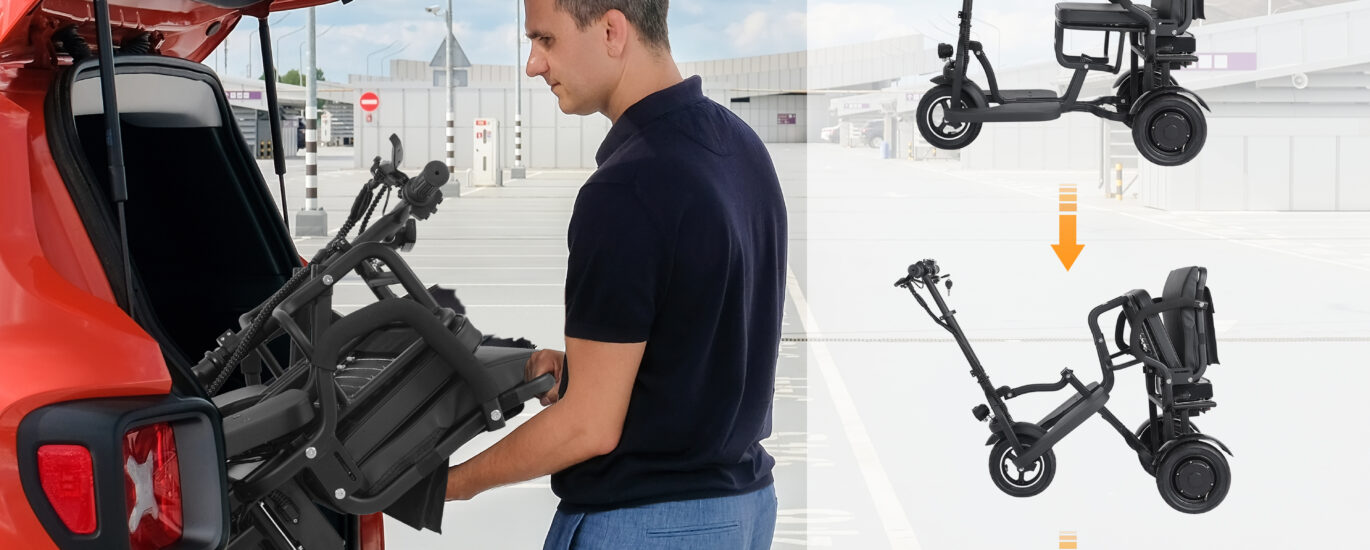
Because my scooter folded quickly, it was easy to navigate the check-in process, pass through security, and move between waiting areas without feeling rushed. Looking back, there are several things I wish I had known before sailing that would have made the experience even smoother.
Why I Decided to Bring a Foldable Scooter
Before booking the cruise, I debated whether I really needed my scooter.
After all, cruise ships have elevators, accessible cabins, and friendly staff. But then I started researching how much walking most passengers actually do.
A typical cruise vacation includes:
- Long cruise terminals
- Multiple boarding lines
- Large ships with several decks
- Shore excursions
- Shopping ports
- Museums
- Waterfront promenades
Even active seniors often walk several miles each day.
I realized I wanted to enjoy every activity without worrying about fatigue or joint pain. Bringing a foldable mobility scooter meant I could stay independent while conserving energy for the parts of the vacation that mattered most.
Preparing Before the Cruise
Preparation made the biggest difference in how smoothly everything went.
Review the Cruise Line’s Accessibility Policy
Every cruise line has slightly different rules regarding mobility scooters. Before sailing, confirm:
- Maximum scooter dimensions
- Accessibility cabin requirements
- Battery policies
- Storage expectations
- Tender port restrictions
Checking these details early can prevent surprises at the terminal.
Charge the Battery Before Leaving Home
I fully charged my scooter the night before departure.
Although charging onboard was simple, arriving with a full battery eliminated one less thing to worry about on embarkation day.
Don’t forget to pack:
- Battery charger
- Charging cable
- Extension cord if recommended by the manufacturer
Pack Smart
Besides clothing, I packed:
- Scooter charger
- Owner’s manual
- Basic cleaning cloth
- Spare key (if applicable)
- Small toolkit for minor adjustments
- Luggage tag attached to the scooter
Keeping everything together made setup much easier.
Bring Documentation
Although I wasn’t asked for it, having documentation gave me peace of mind.
Useful documents include:
- Scooter model information
- Battery specifications
- Purchase receipt (optional)
- Cruise booking confirmation
- Accessibility requests
Understand Battery Rules
Most modern travel scooters use lithium batteries.
Cruise lines generally allow lithium-powered mobility scooters, but battery capacity and charging policies can vary. Reviewing the latest guidance before departure helps avoid delays during embarkation.
Embarkation Day Experience
Embarkation was much easier than I expected.
At the terminal, staff directed passengers with mobility devices to accessible lanes. Security personnel briefly inspected the scooter before allowing me to continue.
Because my scooter folded quickly, it was easy to move through checkpoints and waiting areas without blocking other travelers.
Once onboard, crew members pointed me toward the nearest elevators and explained where charging was permitted.
The entire process was smooth, and I never felt like my scooter was an inconvenience.
Using the Scooter Onboard
Elevators
Cruise elevators are spacious, but they become crowded during meal times and after shows.
A compact scooter made entering and exiting much easier, especially when sharing the elevator with other guests.
Hallways
Ship corridors are narrower than they appear in photos.
Driving slowly and staying to one side helped everyone move comfortably.
When housekeeping carts were present, folding the scooter briefly created extra room.
Dining Areas
Most restaurants accommodated mobility scooters without any issue.
Restaurant staff quickly rearranged seating so I could remain comfortable without transferring to another chair.
Entertainment Venues
Theaters, lounges, and performance spaces all had designated accessible seating.
Arriving a little earlier guaranteed the best viewing locations.
Shore Excursions
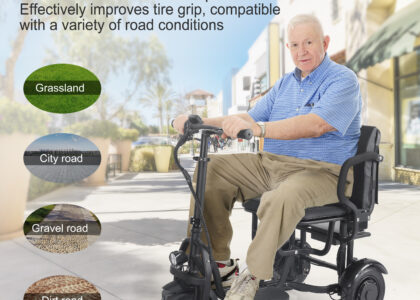
Ports were where my scooter proved most valuable.
From waterfront shopping districts to museums and boardwalks, it allowed me to explore without worrying about how far I’d need to walk back to the ship.
For excursions involving rough terrain or sand, I checked accessibility information in advance.
What Surprised Me
Several things caught me off guard.
First, cruise ships are much larger than most people imagine. Walking from one end of the ship to the other several times each day can be tiring.
Second, many fellow passengers also traveled with mobility scooters or wheelchairs. I quickly realized I wasn’t alone.
Finally, crew members were exceptionally helpful. Whether assisting with boarding, answering accessibility questions, or recommending elevator routes, they consistently made the experience more enjoyable.
Biggest Mistakes I Made
Although my trip went well, I learned several lessons.
I didn’t practice folding enough.
The first time I folded the scooter in the terminal, I was slower than expected.
Practice at home before traveling.
I underestimated charging time.
I waited until bedtime to recharge.
Now I’d charge earlier in the evening so the battery is always ready.
I packed too many accessories.
Extra bags and unnecessary items only made transportation harder.
Travel lighter whenever possible.
I forgot to check excursion accessibility.
Not every port offers fully accessible transportation.
Research each destination before booking.
Tips I’d Give Every First-Time Cruiser
After experiencing my first cruise, these are the tips I’d share with every traveler:
- Book an accessible cabin if recommended for your scooter’s dimensions.
- Read the cruise line’s accessibility information before departure.
- Practice folding and unfolding your scooter several times.
- Charge the battery every evening.
- Arrive early for shows and dining.
- Use elevators during quieter hours whenever possible.
- Carry your charger during longer shore excursions if charging facilities are available.
- Respect pedestrian traffic in busy areas by driving at a safe speed.
A little preparation makes the vacation much more relaxing.
Choosing the Right Foldable Scooter for a Cruise
Not every mobility scooter is equally suited to cruise travel.
Look for features such as:
- Fast folding design
- Lightweight frame
- Compact folded size
- Removable lithium battery
- Comfortable seating
- Tight turning radius
- Easy portability
- Reliable travel range
Recommended TopMate Models
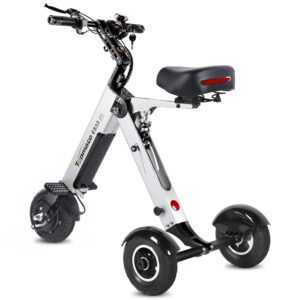
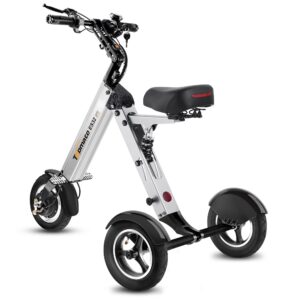
TopMate ES15 — Best for Frequent Cruise Travelers
Ideal for:
- Air and sea travel
- Compact cruise cabins
- Easy lifting
- Quick folding
- Portability
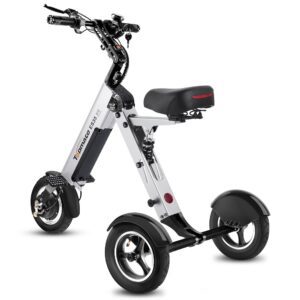
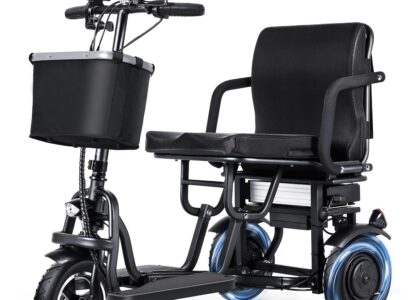
TopMate ES33 — Best for Shore Excursions
A great option for travelers planning to spend long days exploring ports, shopping districts, and waterfront attractions.
TopMate ES36 — Best for Extended Vacations
Designed for travelers who want additional riding range and comfort during longer cruise vacations or combined land-and-sea trips.
Cruise Packing Checklist
Before leaving home, make sure you have:
- Foldable mobility scooter
- Fully charged battery
- Battery charger
- Charging cable
- User manual
- Cruise documents
- Passport or ID
- Scooter key (if applicable)
- Luggage tags
- Lightweight rain cover
- Cleaning cloth
- Small toolkit
- Medications
- Portable phone charger
Conclusion
Looking back, bringing a foldable mobility scooter transformed my first cruise into a far more enjoyable experience. Instead of worrying about long walks, crowded terminals, or sore legs at the end of the day, I was free to focus on exploring new destinations, enjoying onboard entertainment, and spending quality time with family.
For most first-time cruisers, the key is preparation. Understanding cruise policies, practicing the folding mechanism, packing the right accessories, and choosing a travel-friendly scooter can eliminate many common travel stresses.
If portability is your top priority, the TopMate ES15 is an excellent companion for cruise vacations. Travelers planning more extensive shore excursions may appreciate the TopMate ES33, while the TopMate ES36 offers added comfort and range for longer adventures.
With the right planning and the right scooter, your first cruise can be memorable for all the right reasons.
FAQ
Can I take a foldable mobility scooter on a cruise ship?
Yes. Most major cruise lines allow foldable mobility scooters, provided they meet the line’s size, battery, and accessibility requirements. Always review your cruise line’s latest policies before sailing.
Do I need an accessible cabin for my scooter?
Not always. However, if your scooter’s dimensions make maneuvering difficult in a standard cabin, booking an accessible cabin is recommended.
Can I charge my mobility scooter inside my cabin?
In most cases, yes. Follow the cruise line’s charging guidelines and use the manufacturer’s approved charger.
Which TopMate scooter is best for cruise travel?
The TopMate ES15 is ideal for most cruise travelers because of its lightweight, compact, and fast-folding design. The ES33 and ES36 are excellent choices for travelers who prioritize longer rides or greater comfort.