Quick Answer
Yes, a mobility scooter can be used on grass, gravel, and dirt paths—but not every model is designed for these surfaces. Terrain capability depends on factors such as tire size, ground clearance, motor power, suspension, and stability. If you regularly travel through parks, campgrounds, gardens, or rural areas, choosing the right mobility scooter can provide a safer and more comfortable ride. Mobility Scooter Outdoor Terrain
Key Takeaways
- Most mobility scooters can handle short sections of grass and compact dirt.
- Loose gravel, muddy ground, and uneven terrain require extra caution.
- Larger wheels and higher ground clearance improve off-pavement performance.
- Four-wheel scooters generally provide better stability than three-wheel models on rough surfaces.
- Battery range may decrease when riding on uneven terrain.
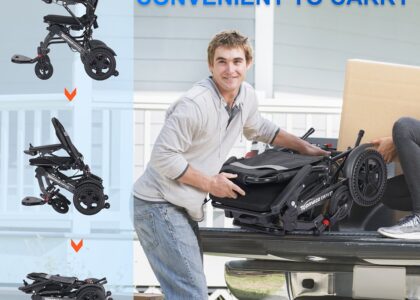
- Foldable mobility scooters can handle light outdoor use while remaining easy to transport.
Introduction
Mobility scooters have become an essential tool for seniors and adults with limited mobility, offering greater independence for everyday activities. While many people use them indoors or on sidewalks, others want the freedom to explore parks, gardens, campgrounds, walking trails, and outdoor attractions.
A common question among first-time buyers is:
Can a mobility scooter be used on grass, gravel, and dirt paths?
The answer is yes—but with some important limitations. Different surfaces place different demands on your scooter, and choosing the right model can make all the difference in safety, comfort, and performance.
This guide explains which outdoor surfaces are suitable, what features matter most, and how to ride safely beyond the pavement.
Can Mobility Scooters Handle Outdoor Terrain?
Most mobility scooters are designed primarily for paved surfaces such as sidewalks, shopping centers, and parking lots. However, many modern models are also capable of handling light Mobility Scooter Outdoor Terrain.
Suitable outdoor environments include:
- Parks
- Campgrounds
- Botanical gardens
- Picnic areas
- Golf communities
- Retirement villages
- Farm pathways
- Outdoor festivals
The key is understanding your scooter’s capabilities and avoiding terrain that exceeds its design limits.
Riding on Grass
Grass is one of the most common outdoor surfaces for mobility scooter users.
Examples include:
- Public parks
- Family gatherings
- Sporting events
- Gardens
- Backyard barbecues
When Grass Is Easy to Ride On
Short, dry, firm grass is generally suitable for many mobility scooters.
These surfaces provide enough traction while remaining relatively smooth.
Challenges
Wet or thick grass can become slippery.
Potential problems include:
- Reduced traction
- Wheel spinning
- Increased battery usage
- Slower speeds
- Less steering control
If the ground feels soft when walking, your scooter may also struggle.
Riding on Gravel
Gravel paths vary significantly.
Some are compact and smooth, while others consist of loose stones that can affect steering.
Compact Gravel
Firm gravel commonly found in:
- Parks
- Nature reserves
- Walking paths
is usually manageable with an appropriate mobility scooter.
Loose Gravel
Loose gravel presents more challenges because wheels may:
- Sink slightly
- Slip during turns
- Lose traction while climbing
- Require more motor power
Driving slowly helps maintain stability.
Riding on Dirt Paths
Many outdoor destinations feature natural dirt trails.
These may include:
- Campsites
- Community gardens
- Rural properties
- Fairgrounds
- Recreational parks
Best Conditions
Hard-packed dirt is often one of the easiest unpaved surfaces.
It provides relatively smooth travel with good traction.
Difficult Conditions
Avoid dirt paths that are:
- Muddy
- Deeply rutted
- Rocky
- Flooded
- Covered with tree roots
These conditions increase the likelihood of tipping or becoming stuck.
Features That Matter for Outdoor Riding
Larger Wheels
Larger wheels roll over small bumps more easily than smaller wheels.
Benefits include:
- Better obstacle clearance
- Improved traction
- Smoother ride
- Greater stability
Ground Clearance
Ground clearance is the distance between the scooter’s underside and the ground.
Higher clearance helps prevent scraping on:
- Small rocks
- Tree roots
- Uneven ground
Suspension
Suspension absorbs bumps before they reach the rider.
Advantages include:
- Less vibration
- Improved comfort
- Better control
- Reduced fatigue
This feature becomes increasingly important during longer outdoor rides.
Tire Design
Many outdoor mobility scooters use durable solid tires that resist punctures.
Some models offer pneumatic (air-filled) tires, which can provide additional cushioning on rough surfaces but require occasional maintenance.
Choose the tire type that best suits your riding environment.
Battery Range
Uneven terrain requires more energy than smooth pavement.
Expect battery range to decrease slightly when riding on:
- Grass
- Gravel
- Dirt
- Hills
Charging before longer outdoor trips is always a good idea.
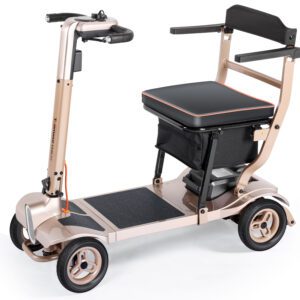
Four-Wheel vs Three-Wheel Scooters
| Feature | Three-Wheel | Four-Wheel |
|---|---|---|
| Turning Radius | Excellent | Good |
| Stability | Moderate | Excellent |
| Outdoor Performance | Moderate | Better |
| Rough Terrain | Limited | Better suited |
| Grass & Gravel | Light use | More confidence |
If outdoor riding is part of your routine, a four-wheel scooter generally offers greater stability.
Real-Life Outdoor Scenarios
Visiting a Park
Many parks feature paved walkways mixed with grassy picnic areas.
A mobility scooter allows you to move comfortably between parking areas, restrooms, and gathering spaces.
Camping
Campgrounds often combine gravel roads, dirt paths, and grassy campsites.
A scooter with good battery range and stable handling can make exploring much easier.
Outdoor Markets
Farmers’ markets frequently operate on paved streets or compact dirt surfaces.
A scooter helps reduce walking while allowing you to carry purchases conveniently.
Sporting Events
Community sports fields often involve crossing grass from parking lots to seating areas.
Choosing suitable routes helps maintain safety and comfort.
Tips for Safe Outdoor Riding
Before heading off-road, follow these best practices:
- Drive at slower speeds.
- Avoid sudden turns.
- Stay on marked paths whenever possible.
- Watch for hidden holes.
- Cross bumps straight on rather than at an angle.
- Avoid steep slopes.
- Keep both hands on the handlebars.
- Check battery charge before leaving.
- Monitor weather conditions.
- Wear bright clothing if riding near vehicles.
These habits improve both safety and scooter performance.
Common Mistakes to Avoid
Many new users overestimate what their mobility scooter can handle.
Avoid these mistakes:
- Riding through mud
- Crossing deep sand
- Climbing steep hills beyond the scooter’s capability
- Ignoring low battery warnings
- Carrying excessive weight
- Driving too fast on uneven terrain
- Using worn tires
- Skipping regular maintenance
Understanding your scooter’s limits helps prevent unnecessary breakdowns and accidents.
Recommended TopMate Models for Light Outdoor Use
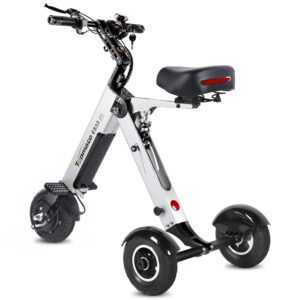
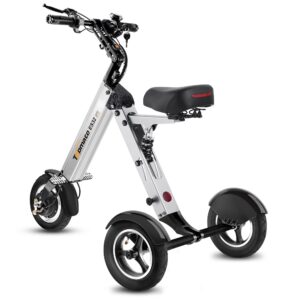
TopMate ES15
Ideal for:
- Parks
- Gardens
- Sidewalks
- Light grass
- Daily errands
Its lightweight folding design makes transportation simple while offering dependable performance for everyday outdoor activities.
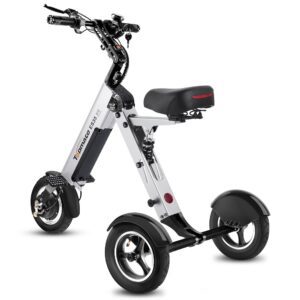
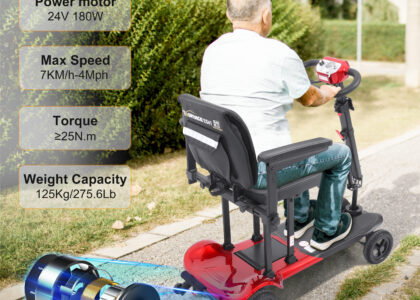
TopMate ES33
Suitable for users who spend more time outdoors and want additional comfort for longer rides across mixed terrain.
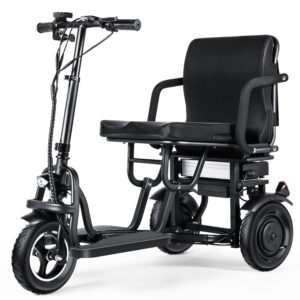
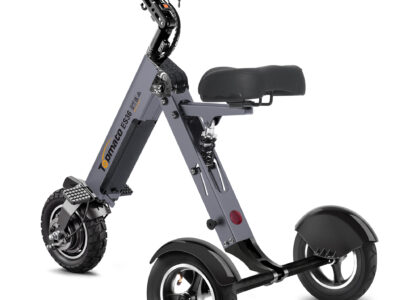
TopMate ES36
Designed for riders looking for enhanced stability, comfort, and longer outings that include paved paths as well as light gravel and compact dirt surfaces.
Conclusion
A mobility scooter can absolutely be used on grass, gravel, and dirt paths—as long as you choose the right model and ride within its capabilities. Mobility Scooter Outdoor Terrain
Firm grass, compact gravel, and hard-packed dirt are generally manageable for many modern mobility scooters, while muddy ground, deep sand, and rocky trails should be avoided. Features such as larger wheels, good ground clearance, dependable battery range, and stable four-wheel designs can significantly improve outdoor performance.
FAQ
Can all mobility scooters be used on grass?
Most mobility scooters can travel over short stretches of dry, firm grass. However, thick, wet, or uneven grass may reduce traction and make riding more difficult.
Is gravel safe for a mobility scooter?
Yes, compact gravel is generally suitable for many scooters. Loose or deep gravel requires slower speeds and extra caution to maintain stability.
Does riding on dirt reduce battery range?
Yes. Riding on dirt, grass, or gravel usually requires more power than riding on smooth pavement, so battery range may decrease depending on terrain and load.
What type of mobility scooter is best for outdoor paths?
A four-wheel mobility scooter with larger wheels, good ground clearance, reliable battery range, and a comfortable suspension system is typically the best choice for light outdoor terrain.