-1000x550.jpg)
Quick Answer
Most people do not need the longest-range mobility scooter available. While many manufacturers advertise maximum driving distances, real-world battery range depends on where, how, and how often you ride.
For many seniors and everyday users, a scooter with a 10–15 mile (16–24 km) real-world range is sufficient for shopping trips, neighborhood rides, doctor appointments, retirement communities, and travel. If you frequently spend entire days outdoors or travel through large parks, airports, or campgrounds, a longer range may provide additional peace of mind. Daily Mobility Scooter Distance
Key Takeaways
- Battery range ratings are measured under ideal conditions.
- Hills, rider weight, speed, weather, and terrain all reduce actual range.
- Most daily users travel less than 8 miles per day.
- Bigger batteries increase weight and cost.
- Estimate your typical daily mileage before buying.
- Lithium battery mobility scooters provide consistent performance and faster charging.
Introduction
One of the first specifications people compare when shopping for a mobility scooter is battery range. It’s easy to assume that a scooter advertised with a 25-mile range is automatically better than one rated for 13 miles.
However, battery range is similar to fuel economy in a car—it depends on how and where you drive.
Instead of focusing only on the biggest battery, think about how far you actually travel during a normal day. Doing so can help you select a scooter that matches your lifestyle, remains easier to transport, and avoids unnecessary costs.
This mobility scooter buying guide explains what affects real-world driving distance and how to determine the battery range that best fits your needs.
Why Battery Range Numbers Can Be Misleading
Manufacturers typically measure battery range under controlled laboratory conditions, including:
- Flat pavement
- Moderate speed
- Fully charged battery
- Ideal weather
- Average rider weight
- Few stops or hills
Daily use is rarely this predictable.
You may encounter:
- Steep sidewalks
- Uneven pavement
- Grass or gravel
- Frequent stopping
- Wind
- Cold temperatures
- Heavy shopping bags
These conditions require more power, reducing the distance you can travel before recharging.
Instead of assuming you’ll always achieve the advertised maximum, it’s more practical to expect somewhat less in everyday conditions.
What Affects Real Driving Distance?
Rider Weight
A heavier rider requires more energy to move, especially during acceleration and uphill travel.
Scooters carrying groceries, backpacks, or medical equipment also consume additional battery power.
Hills
Inclines place a greater load on the motor than flat surfaces.
Living in a hilly neighborhood or visiting parks with elevation changes can noticeably reduce battery range.
Speed
Driving continuously at maximum speed uses more energy than cruising at a moderate pace.
Slowing down slightly can often extend travel distance.
Temperature
Lithium batteries perform best in moderate temperatures.
Cold weather may temporarily reduce available battery capacity, while extremely hot conditions can also affect battery efficiency.
Tire Pressure
Underinflated tires create extra rolling resistance.
Proper tire maintenance helps improve efficiency and provides a smoother ride.
Frequent Stops
Each time the scooter accelerates from a complete stop, it draws additional power.
Shopping centers, pedestrian crossings, and busy sidewalks often involve repeated starts and stops that reduce overall range.
Surface Type
Smooth sidewalks use less energy than:
- Grass
- Gravel
- Dirt paths
- Cobblestones
- Thick carpeting
- Wet surfaces
Rough terrain increases rolling resistance and requires more battery power.
Daily Distance Examples
Understanding your typical routine makes choosing the right battery much easier.
Apartment Living
Typical daily travel:
- Mailbox
- Community room
- Parking area
- Nearby stores
Estimated distance:
1–3 miles per day
Retirement Communities
Common activities include:
- Dining hall
- Recreation center
- Visiting neighbors
- Medical appointments
Estimated distance:
3–6 miles daily
Grocery Shopping
Trips often include:
- Parking lot
- Store aisles
- Pharmacy
- Return home
Estimated distance:
2–5 miles
Theme Parks
Large attractions require considerably more travel.
Many visitors cover:
8–15 miles during a full day
Extra battery capacity provides greater confidence without worrying about recharging.
Airports
Large international airports often involve long walks between terminals, security checkpoints, baggage claim, and transportation areas.
Estimated travel:
4–10 miles
RV Travel
Campgrounds, national parks, and resort areas can involve extended daily exploration.
Typical travel:
5–12 miles
Cruise Vacations
Cruise terminals and port cities often require moderate daily travel.
Typical distance:
3–8 miles
Battery Range Comparison Table
| Lifestyle | Typical Daily Distance | Recommended Scooter Range |
|---|---|---|
| Apartment living | 1–3 miles | 10–13 miles |
| Retirement community | 3–6 miles | 10–15 miles |
| Grocery shopping | 2–5 miles | 10–15 miles |
| Neighborhood errands | 4–8 miles | 15–20 miles |
| Theme parks | 8–15 miles | 20+ miles |
| Airports | 4–10 miles | 15–20 miles |
| RV camping | 5–12 miles | 20+ miles |
| Cruise vacations | 3–8 miles | 15–20 miles |
How to Estimate Your Daily Needs
A simple way to estimate your battery requirement is to add together your most common daily trips.
Ask yourself:
- How far is the grocery store?
- Do you visit parks regularly?
- Will you use the scooter while traveling?
- Are there hills where you live?
- Will you carry groceries or bags?
If your typical daily travel totals about 5 miles, selecting a scooter with approximately twice that rated range provides a comfortable safety margin for changing conditions.
TopMate Model Recommendations
| TopMate Model | Best For | Typical Recommended Use |
|---|---|---|
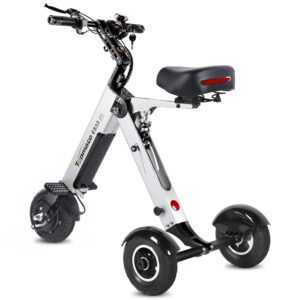
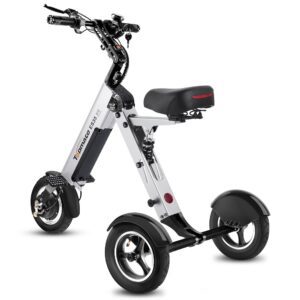
| TopMate ES15 | Everyday errands and travel | Apartment living, shopping, retirement communities, doctor appointments, airports |
| TopMate ES33 | Longer daily outings | Larger neighborhoods, parks, regular community travel |
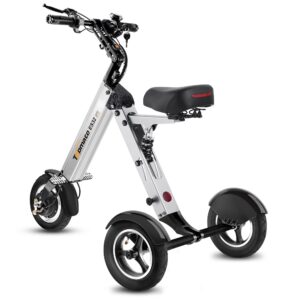
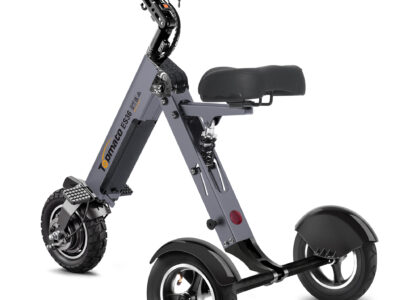
| TopMate ES36 | Extended outdoor use | Campgrounds, sightseeing, vacations, full-day excursions |
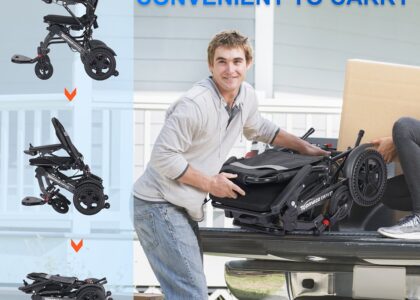
Rather than purchasing the model with the largest battery by default, choose the scooter that aligns with your daily travel habits. A lighter scooter with adequate range is often easier to transport, store, and load into a vehicle.
Battery Saving Tips
You can maximize every charge by following a few simple practices:
- Maintain moderate driving speeds.
- Keep tires properly inflated.
- Charge the battery after regular use.
- Avoid carrying unnecessary weight.
- Use smooth pathways whenever possible.
- Reduce unnecessary acceleration.
- Store lithium batteries in moderate temperatures.
- Perform routine maintenance according to the manufacturer’s recommendations.
These habits help extend both daily driving distance and long-term battery health.
Common Buying Mistakes
Many first-time buyers make avoidable decisions when comparing battery range.
Buying the Largest Battery Without Needing It
A larger battery often means:
- Higher purchase price
- Increased scooter weight
- More difficult transportation
More range is only valuable if you’ll actually use it.
Ignoring Terrain
A 10-mile trip on flat pavement differs significantly from the same distance on steep hills or rough paths.
Forgetting Travel Plans
If you regularly visit theme parks, airports, or campgrounds, your battery needs may be higher than your daily neighborhood routine suggests.
Overlooking Battery Technology
Modern lithium battery mobility scooters typically offer:
- Faster charging
- Lower weight
- Longer service life
- Consistent performance
Expert Advice
Battery range should support your lifestyle—not define it.
For many people in the USA, Canada, Australia, and the UK, daily travel is shorter than expected. A portable scooter with enough range for everyday activities often delivers better value than a heavier model designed for occasional long-distance outings. Daily Mobility Scooter Distance
Instead of chasing the highest advertised mileage, evaluate your routine, consider real-world driving conditions, and leave a reasonable safety margin. This approach helps you choose a mobility scooter that is practical, efficient, and enjoyable to use every day.
FAQ
How far can a mobility scooter travel on one charge?
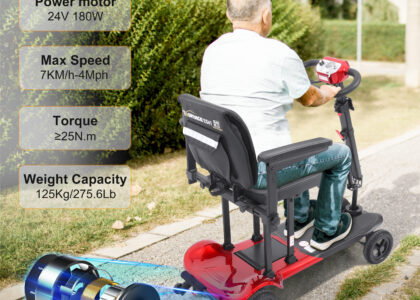
Most mobility scooters travel between 10 and 25 miles on a full charge, depending on battery size, rider weight, terrain, weather, and driving habits.
Does cold weather reduce mobility scooter battery range?
Yes. Cold temperatures can temporarily reduce lithium battery performance, which may shorten driving distance until temperatures return to normal.
Is a larger battery always better?
Not necessarily. Larger batteries provide longer range but also add cost and weight. Choose a battery that matches your typical daily travel rather than the highest advertised capacity.
How can I make my mobility scooter battery last longer?
Maintain proper tire pressure, avoid excessive speeds, reduce unnecessary weight, recharge regularly, and follow the manufacturer’s maintenance recommendations.