Quick Answer
Is suspension worth paying extra for in a mobility scooter? For many riders, yes—especially if you regularly travel outdoors, experience joint pain, or spend extended periods on your scooter. Suspension reduces vibration, improves comfort, and helps maintain stability on uneven terrain. However, if you mainly use your scooter indoors or on smooth pavements, paying extra for suspension may not provide enough benefits to justify the additional cost.
Introduction
Buying your first mobility scooter involves more than comparing speed, weight capacity, or battery range. One feature that often increases the price is suspension, leaving many buyers wondering whether it’s truly necessary.
Some manufacturers advertise suspension as a premium comfort feature, while others reserve it only for larger outdoor scooters. The reality is more nuanced.
For some users, suspension transforms the riding experience by reducing painful jolts and making everyday trips far more enjoyable. For others, it adds cost without providing noticeable benefits.
What Is Mobility Scooter Suspension?
Suspension is a system designed to absorb impacts between the wheels and the scooter frame.
Instead of every bump being transferred directly to the rider, suspension cushions the movement, creating a smoother and more controlled ride.
Common suspension systems include:
- Front suspension
- Rear suspension
- Full suspension (front and rear)
- Spring suspension
- Coil-over shock absorbers
- Rubber suspension components
The purpose is simple:
- Reduce vibration
- Improve comfort
- Increase stability
- Minimize impact on the rider
Just like a car’s suspension, a mobility scooter’s suspension keeps the ride smoother over uneven surfaces.
How Suspension Works
Every time your scooter travels over:
- Sidewalk cracks
- Driveway transitions
- Gravel
- Tree roots
- Brick pathways
- Speed bumps
the wheels experience sudden vertical movement.
Without suspension, that force travels almost directly into:
- the scooter frame
- the seat
- your spine
- your hips
- your knees
- your wrists
With suspension, springs and dampers absorb much of that impact before it reaches you.
This creates:
- smoother steering
- improved comfort
- better wheel contact with the ground
- greater confidence while riding outdoors
Benefits of Mobility Scooter Suspension
Greater Everyday Comfort
Comfort is the biggest reason buyers choose suspension.
Even small pavement imperfections create constant vibration throughout a ride.
After twenty or thirty minutes, those vibrations can become tiring.
Suspension softens these repeated impacts, making longer journeys noticeably more pleasant.
This is particularly valuable if you:
- shop regularly
- visit parks
- attend community events
- travel around large retirement communities
- spend hours using your scooter
Better Protection for Joints
Many mobility scooter users live with:
- arthritis
- hip pain
- knee replacements
- spinal conditions
- osteoporosis
- chronic back pain
Repeated jolts can worsen discomfort.
Suspension reduces the force reaching sensitive joints, allowing many riders to travel farther with less pain.
Less Rider Fatigue
Fatigue isn’t only caused by walking.
Constant vibration also tires the body.
Your muscles naturally tense when absorbing repeated bumps.
Over time this causes:
- shoulder fatigue
- neck stiffness
- lower back discomfort
- arm soreness
A smoother ride means your body spends less energy compensating for uneven terrain.
Improved Stability
Suspension helps the wheels maintain better contact with uneven surfaces.
Benefits include:
- smoother cornering
- less bouncing
- better traction
- increased confidence outdoors
This is especially helpful on:
- paved trails
- older sidewalks
- neighborhood streets
- park paths
Better Outdoor Performance
Outdoor riding exposes scooters to constantly changing surfaces.
Examples include:
- cracked sidewalks
- brick walkways
- uneven pavement
- gravel entrances
- grass edges
- driveway lips
Without suspension, these transitions feel much harsher.
Suspension makes outdoor riding significantly more enjoyable.
Potentially Longer Component Life
Although suspension is primarily for comfort, it may also reduce repeated shock loads on certain scooter components.
This can help minimize stress on:
- frame connections
- seat mounts
- steering components
Regular maintenance remains essential regardless of suspension.
Does Suspension Improve Battery Performance?
Many buyers assume suspension increases battery range.
Not exactly.
Suspension itself does not increase battery capacity.
However, it can improve riding efficiency in indirect ways:
- Better wheel contact may reduce unnecessary wheel slip.
- Riders maintain steadier speeds instead of repeatedly accelerating after bumps.
- Less bouncing means smoother momentum over uneven terrain.
The difference in battery range is usually modest. Your scooter’s battery size, rider weight, terrain, tire pressure, weather, and driving habits have a much greater effect on overall range.
When Suspension Isn’t Necessary
Despite its advantages, suspension isn’t always worth the additional cost.
You may not need suspension if you:
Mostly Ride Indoors
Examples include:
- apartments
- shopping centres
- supermarkets
- hospitals
Indoor floors are generally smooth enough that suspension offers minimal improvement.
Only Take Short Trips
If most rides last:
- 5–10 minutes
- around the neighborhood
- to the mailbox
- inside retirement communities
the comfort difference may be relatively small.
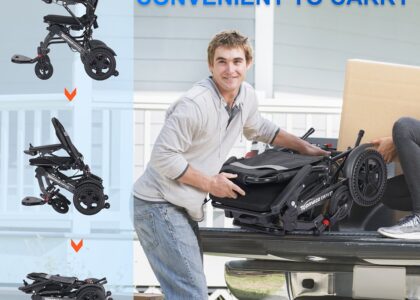
Need Maximum Portability
Some lightweight travel scooters reduce weight by using simpler frames without full suspension.
If lifting your scooter into a vehicle is your biggest concern, portability may outweigh suspension.
Have a Limited Budget
A higher price doesn’t automatically mean better value.
Instead of paying more for suspension, you may gain greater everyday benefits from:
- better seat cushioning
- higher battery capacity
- lighter folding design
- improved portability
Real-Life Scenarios
Grocery Shopping
Typical terrain:
- parking lots
- store entrances
- sidewalk transitions
Suspension helps: Yes
Repeated bumps while carrying groceries become much more comfortable.
Walking Through Parks
Typical terrain:
- paved trails
- uneven paths
- tree roots
Suspension helps: Definitely
Outdoor recreational riding is where suspension often provides the greatest comfort.
Airport Travel
Most airport terminals have smooth flooring.
Suspension helps: Slightly
Unless you’re travelling between terminals outdoors, suspension is not essential.
Retirement Communities
Many retirement communities have:
- smooth pathways
- well-maintained sidewalks
- indoor facilities
Suspension helps: Sometimes
Long daily rides may justify suspension, but many residents remain perfectly comfortable without it.
Camping and RV Parks
Campgrounds often include:
- gravel
- uneven roads
- rough pavement
- outdoor pathways
Suspension helps: Absolutely
Frequent outdoor riding makes suspension one of the most valuable upgrades.
Comparison Table: Suspension vs No Suspension
| Feature | Without Suspension | With Suspension |
|---|---|---|
| Ride comfort | Basic | Much smoother |
| Outdoor riding | Fair | Excellent |
| Indoor use | Excellent | Excellent |
| Joint protection | Limited | Better |
| Long-distance comfort | Moderate | High |
| Vibration | Higher | Lower |
| Fatigue | More noticeable | Reduced |
| Weight | Often lighter | Usually slightly heavier |
| Cost | Lower | Higher |
| Best for | Indoor users, short trips | Outdoor riders, daily use |
Cost vs Value Analysis
Suspension generally increases the purchase price of a mobility scooter.
The real question isn’t whether suspension costs more—it’s whether you’ll actually benefit from it every day.
Suspension Is Worth Paying For If You:
- ride outdoors frequently
- have arthritis or joint pain
- regularly travel more than 30 minutes
- use rough sidewalks
- enjoy parks and nature trails
- go shopping several times each week
- travel through campgrounds
- want maximum comfort
Suspension May Not Be Worth Paying For If You:
- mainly ride indoors
- only travel short distances
- prioritize portability
- rarely encounter uneven surfaces
- have a tight budget
TopMate Model Recommendations
Choosing a scooter should always begin with how and where you’ll use it rather than simply selecting the model with the longest feature list.
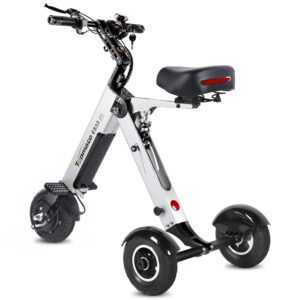
TopMate ES15
Best suited for:
- indoor use
- shopping trips
- travel
- airports
- retirement communities
- users prioritizing lightweight portability
Its compact folding design makes transportation and storage especially convenient for everyday errands.
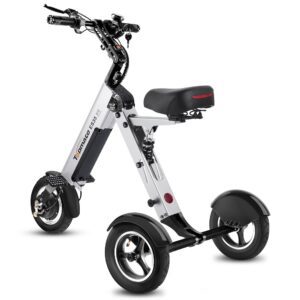
TopMate ES33
Suitable for users seeking a balance between comfort and everyday outdoor use.
It offers greater capability for longer rides while remaining practical for regular transportation.
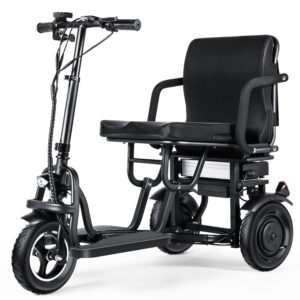
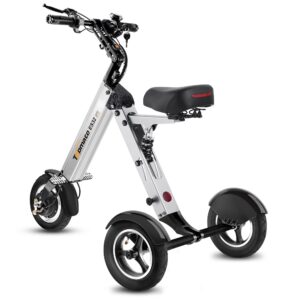
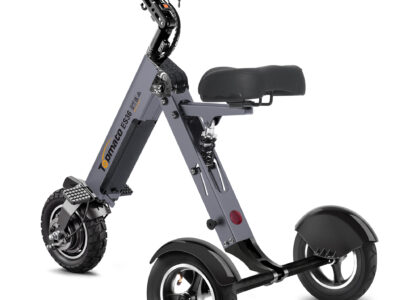
TopMate ES36
Recommended for riders who:
- spend significant time outdoors
- regularly encounter uneven pavement
- prioritize comfort during longer journeys
Its design is better suited to users who value ride quality during extended outdoor travel.
Conclusion
Paying extra for suspension isn’t about buying the most expensive mobility scooter—it’s about investing in the level of comfort you’ll experience every day.
If your routine includes outdoor rides, longer journeys, rough sidewalks, or existing joint pain, suspension can significantly improve comfort, reduce fatigue, and make your scooter more enjoyable to use. On the other hand, if your travel is mostly indoors, consists of short trips, and portability is your highest priority, a non-suspension model may meet your needs while keeping costs lower.
FAQ
Is suspension necessary on a mobility scooter?
No. Suspension is not essential for everyone. Riders who mainly use smooth indoor surfaces may find little difference, while outdoor users often experience noticeably better comfort.
Does suspension make a mobility scooter safer?
Suspension can improve stability and rider confidence on uneven surfaces, but safe driving habits, appropriate speed, and regular maintenance remain the most important safety factors.
Is suspension worth it for seniors with arthritis?
In many cases, yes. Suspension helps reduce vibration and repeated impacts that may aggravate sore joints during longer rides.
Does suspension reduce battery range?
No. Suspension itself doesn’t significantly reduce battery range. Factors such as battery capacity, rider weight, terrain, tire pressure, and driving style have a much greater influence on overall performance.