

Imagine checking two mobility scooters and seeing batteries labeled 36V 7.8Ah and 48V 10.4Ah. Which one stores more energy? What does “Ah” actually mean? And does a larger battery automatically give you a longer driving range?
These questions matter because mobility scooter battery capacity affects how much energy a scooter can store, while range depends on how efficiently the scooter uses that energy. Once you understand voltage, amp-hours (Ah), and watt-hours (Wh), battery specifications become much easier to compare.
What Does Battery Capacity Mean?
Battery capacity describes how much electrical energy a battery can store.
Manufacturers commonly provide battery information using voltage (V) and amp-hours (Ah). You can use these figures to calculate approximate energy capacity in watt-hours (Wh).
For example, a 36V battery rated at 7.8Ah has:
36V × 7.8Ah = 280.8Wh
In simple terms, the Wh figure provides a more useful way to compare the amount of stored energy between batteries that use different voltages. mobility scooter battery capacity
However, battery capacity does not equal driving range. The scooter’s motor, weight, speed, terrain, tires, temperature, and riding conditions all affect how quickly it consumes that energy.
What Does Ah Mean on a Mobility Scooter Battery?
Ah means amp-hours.
It describes the battery’s electrical charge capacity. Think of Ah as one part of the battery’s storage specification rather than a direct measurement of how many miles the scooter can travel.
For example, a 36V 7.8Ah battery has a 7.8Ah charge rating at a nominal voltage of 36V.
A higher Ah rating can indicate greater capacity when you compare batteries operating at the same voltage. However, Ah alone does not provide a fair comparison between different voltage systems.
That is why buyers should look at Wh when comparing batteries with different voltages.
What Does Wh Mean?
Wh means watt-hours, which describes the battery’s stored electrical energy.
You can calculate approximate battery energy with this simple formula:
Wh = V × Ah
For example:
- 24V × 10Ah = 240Wh
- 36V × 7.8Ah = 280.8Wh
- 48V × 10.4Ah = 499.2Wh
This comparison shows why a battery with fewer amp-hours can still store more energy if it operates at a higher voltage.
For most buyers, Wh provides a straightforward way to compare the energy capacity of different battery systems.
What Is Voltage?
Voltage measures electrical potential.
You can think of voltage as the electrical pressure that helps move current through the scooter’s electrical system. A 36V battery and a 48V battery operate at different electrical voltages.
However, a higher voltage does not automatically mean a scooter has a longer range. You must consider both voltage and Ah to estimate stored energy.
For example, a 36V 7.8Ah battery stores approximately 280.8Wh, while a 48V 10.4Ah battery stores approximately 499.2Wh.
The second battery has considerably more stored energy, but the scooter’s actual range still depends on how efficiently the vehicle uses that energy.
How Are Ah, Voltage, and Wh Related?
The relationship is simple:
Voltage × Amp-hours = Watt-hours
| Battery Term | Meaning | Why It Matters |
|---|---|---|
| Voltage | Electrical potential of the battery | Helps determine the battery’s energy calculation |
| Ah | Amp-hours, or charge capacity | Indicates how much electrical charge the battery can store |
| Wh | Watt-hours, or stored energy | Makes battery energy easier to compare |
| Range | Distance the scooter can travel | Shows practical travel capability but depends on conditions |
| Charging time | Time needed to recharge | Helps you plan daily use and travel |
This formula provides an estimate of battery energy. It does not predict exact mileage.
Why Can Two Similar Batteries Provide Different Ranges?
Two scooters can use batteries with similar Wh ratings and still travel different distances.
The reason is energy consumption.
A scooter that weighs more may require more energy to move. A heavier rider also increases the total load. Similarly, frequent acceleration, higher speeds, hills, rough surfaces, and repeated stops can increase energy consumption.
Motor efficiency also matters. Two scooters with similar battery capacities can therefore deliver different ranges.
For this reason, never judge a scooter’s range by battery capacity alone.
How Does Rider Weight Affect Battery Consumption?
The scooter must move the combined weight of the rider, scooter, and anything carried on board.
As total weight increases, the motor generally needs to work harder, particularly during acceleration and hill climbing. That increased demand can reduce the distance available from one charge.
For example, a manufacturer’s maximum range test may use a lighter load than your everyday setup. If you regularly carry shopping bags or other equipment, your actual range may fall below the published figure.
Therefore, consider your typical total load when evaluating battery requirements.
How Do Hills and Terrain Affect Battery Use?
Level pavement generally requires less energy than repeated climbs.
Hills increase the work the drive system must perform. Likewise, grass, gravel, soft ground, rough pavement, and uneven surfaces can increase rolling resistance and energy consumption.
A route that appears short on a map can therefore use considerably more battery than the same distance on smooth, level pavement.
If your daily journey includes hills or outdoor surfaces, consider those conditions when deciding how much battery capacity you need.
How Does Temperature Affect Battery Performance?
Temperature can influence battery performance, particularly in cold conditions.
Cold weather can temporarily reduce the amount of usable energy a lithium battery can deliver. As temperatures fall, riders may notice reduced range compared with operation in moderate conditions.
Heat can also affect battery operation and long-term battery health.
For consistent performance, follow the manufacturer’s storage, charging, and temperature recommendations rather than assuming that the battery will provide identical range throughout the year.
How Does Speed Affect Energy Consumption?
Higher speeds generally require more energy.
Air resistance increases with speed, while frequent acceleration also demands additional power from the battery. Consequently, a rider who travels quickly and accelerates frequently may use more energy than someone who travels at a steady, moderate speed.
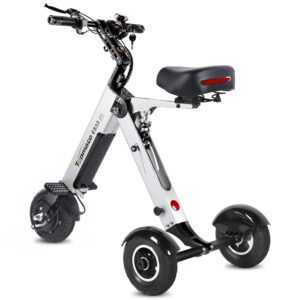
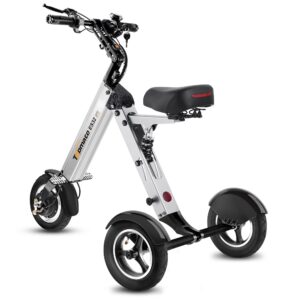
TopMate’s ES15, for example, uses a 36V 7.8Ah lithium-ion battery and lists a 16–19 mile range with a 3–4 hour charging time.
That published range represents the manufacturer’s stated performance. Your actual result can vary with speed, rider weight, terrain, and other conditions.
Why Advertised Range Is Not Always Real-World Range
A manufacturer’s claimed range gives buyers a useful reference point, but it does not guarantee the same distance for every rider.
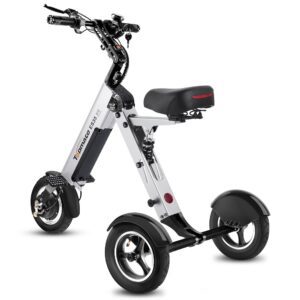
TopMate’s ES33 manual lists a 25–30 km (15.53–18.64 mile) recharge mileage and a 4-hour charge time. The manual also notes that mileage depends on use, load, and road conditions.
The current ES33 product page lists a 36V 7.8Ah removable lithium battery, approximately 281Wh, and a stated range of 15.53–18.64 miles.
These figures illustrate an important point: the battery capacity provides information about stored energy, while the range figure tells you what the manufacturer expects the scooter to achieve under its specified conditions.
Your everyday range can differ because of:
- Rider weight
- Speed
- Hills
- Surface type
- Temperature
- Tire condition
- Frequent stops and starts
- Battery age
Is Higher Ah Always Better?
No.
A higher Ah rating means greater charge capacity when voltage remains the same. However, you should compare the complete battery specification.
For example, a 36V 10Ah battery provides:
36 × 10 = 360Wh
A 48V 7.8Ah battery provides:
48 × 7.8 = 374.4Wh
Although the second battery has fewer amp-hours, it stores slightly more energy.
Therefore, compare Wh, battery voltage, Ah, claimed range, charging time, battery type, and replacement options rather than focusing on Ah alone.
How Much Battery Capacity Does a Mobility Scooter Need?
There is no universal Wh requirement.
A person making short indoor trips may need considerably less battery capacity than someone traveling several miles outdoors each day.
Start with your actual travel pattern:
Short indoor trips: prioritize manageable charging and sufficient capacity for daily use.
Regular neighborhood trips: compare the manufacturer’s range with your typical round-trip distance and leave a practical reserve.
Longer outdoor journeys: consider greater energy capacity, but also account for hills, rider weight, temperature, and surface conditions.
For example, the TopMate ES15 uses a 36V 7.8Ah battery, which calculates to approximately 280.8Wh, while the manufacturer states a 16–19 mile range.
That does not mean every rider will achieve 19 miles. Instead, the figure gives you a starting point for comparing the scooter’s battery capacity with your expected usage.
What Battery Specifications Should Buyers Compare?
When comparing mobility scooters, look beyond a single battery number.
Check:
- Voltage (V) — tells you the battery’s nominal electrical voltage.
- Amp-hours (Ah) — indicates charge capacity.
- Watt-hours (Wh) — estimates stored electrical energy.
- Claimed range — shows the manufacturer’s stated travel distance.
- Charging time — tells you how long a full recharge takes.
- Battery chemistry — identifies the battery technology.
- Removability — matters if you need to charge the battery away from the scooter.
- Replacement availability — helps with long-term ownership planning.
Battery Specification Checklist for Buyers
Before buying, check:
-
Battery voltage
-
Battery capacity in Ah
-
Calculated or stated Wh
-
Manufacturer’s claimed range
-
Stated charging time
-
Battery type
-
Whether the battery is removable
-
Replacement-battery availability
-
Your typical rider and cargo weight
-
Your normal terrain and travel distance
-
Expected temperature conditions
The most useful rule is simple: use Wh to understand battery energy, use the manufacturer’s range as a reference, and then adjust your expectations for your own weight, speed, terrain, temperature, and riding habits.
FAQ
What does Ah mean on a mobility scooter battery?
Ah means amp-hours and describes the battery’s charge capacity. A higher Ah rating generally indicates more stored charge when comparing batteries with the same voltage.
What does Wh mean on a mobility scooter battery?
Wh means watt-hours and indicates the battery’s stored electrical energy. You can calculate it by multiplying voltage by amp-hours: Wh = V × Ah.
Is higher Ah always better for a mobility scooter?
No. Ah should not be considered alone. Voltage and Wh also matter because a battery with fewer amp-hours can store more energy if it operates at a higher voltage.
Why does actual mobility scooter range differ from the advertised range?
Actual range can vary because of rider weight, speed, hills, terrain, temperature, tire condition, frequent stops, and battery age. The manufacturer’s stated range serves as a reference rather than a guaranteed distance.


-scaled-2-420x300.jpg)