Introduction
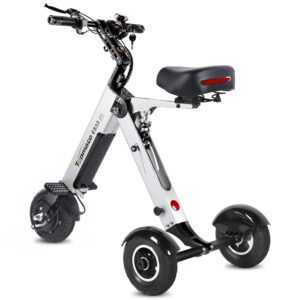
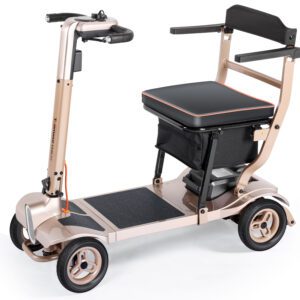
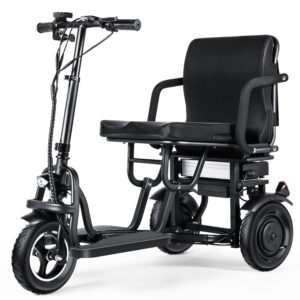
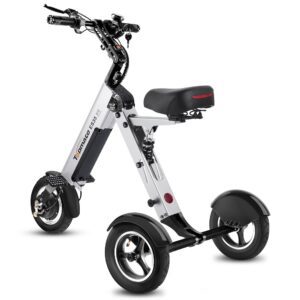
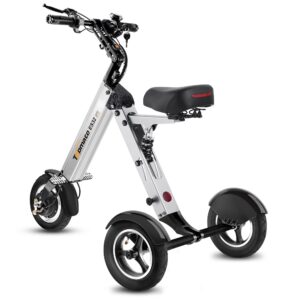
Electric tricycles are becoming a popular choice for daily commuting and mobility. However, many riders still ask: is an electric tricycle street legal in the US?
In 2026, laws are clearer but still vary by state. Therefore, understanding the rules before you ride is essential. Not only does this help you stay compliant, but it also ensures a safer riding experience.
Quick Answer
In general, electric tricycles are street legal in the US if they follow e-bike rules. Typically, they must include pedals, have a motor under 750W, and stay within 20–28 mph. However, local and state laws may add extra limits, so checking your area is always recommended.
What Makes an Electric Tricycle Legal?
From a legal point of view, electric tricycles are treated like electric bicycles—but only when they meet certain conditions.
Basic Legal Requirements
To stay compliant, your e-trike should:
- Have working pedals
- Use a motor of 750 watts or less
- Stay within speed limits:
- Up to 20 mph with throttle
- Up to 28 mph with pedal assist
On the other hand, if your tricycle exceeds these limits, it may be classified differently. In that case, you could need a license, registration, and even insurance.
Electric Tricycle Classes Explained
Across most states, electric tricycles follow a three-class system. As a result, your riding options depend on the class you choose.
Class 1 – Pedal Assist
- Max speed: 20 mph
- No throttle
- Commonly allowed on bike paths
Class 2 – Throttle + Pedal Assist
- Max speed: 20 mph
- Includes throttle
- Easier for beginners and seniors
Class 3 – Faster Pedal Assist
- Max speed: 28 mph
- Often restricted in certain areas
Overall, Class 2 models are the most popular. This is because they are simple to use and widely accepted.
Can You Ride on Public Roads?
Yes, electric tricycles are allowed on public roads in many areas. However, some limits still apply.
You can ride on:
- City streets
- Bike lanes
- Residential roads
However, you should avoid:
- Highways
- High-speed roads
- Busy sidewalks
For example, some cities allow riding in bike lanes but not on sidewalks. Therefore, checking local rules before riding is always a smart step.
Why State and Local Laws Matter
Although federal guidelines exist, states control how and where you can ride. Because of this, rules can vary from one place to another.
Common Differences Include:
- Helmet rules may change by state
- Minimum age limits may apply
- Faster e-trikes may face restrictions
- Bike path access can differ
For this reason, reviewing your local transportation rules is highly recommended. In addition, city laws may be stricter than state laws.
Safety Requirements You Should Follow
To stay legal and safe, your electric tricycle should include key safety features.
Required in Many Areas:
- Working brakes
- Front light for night riding
- Rear reflector or light
- Bell or horn (in some regions)
Also Helpful:
- Mirrors for better awareness
- Turn signals for safer turns
- Reflective tires for visibility
Even when not required, these features improve safety. As a result, they are strongly recommended.
Comparison Table: Legal vs Non-Legal Electric Tricycles
| Feature | Street Legal E-Trike | Not Street Legal E-Trike |
|---|---|---|
| Motor Power | Up to 750W | Above 750W |
| Top Speed | 20–28 mph | Over 28 mph |
| Pedals | Required | Not required |
| License Needed | No | Yes |
| Registration | No | Yes |
| Insurance | Not required | Often required |
| Road Access | Allowed | Restricted |
Do You Need a License or Insurance?
In most cases, you do not need a license or insurance. Because of this, electric tricycles are easier to use than many other vehicles.
However, if your tricycle goes beyond legal limits, the situation changes. In such cases, it may be treated like a motor vehicle. Therefore, you may need registration, insurance, and a valid license.
Where Can You Ride an Electric Tricycle?
Electric tricycles can be used in many places, although some restrictions apply.
Commonly allowed:
- Bike lanes
- Neighborhood streets
- Approved park trails
Commonly restricted:
- Highways
- Crowded sidewalks
- Private areas without permission
As a general rule, following bicycle laws will keep you compliant. Moreover, staying in designated areas improves safety.
Common Mistakes to Avoid
Many riders face issues because of simple mistakes. Fortunately, these can be avoided with a little awareness.
- Increasing motor power beyond limits
- Ignoring local regulations
- Riding on sidewalks where banned
- Skipping safety equipment
By following the rules, you can avoid fines and ride with confidence.
Are Electric Tricycles Safe?
Yes, electric tricycles are considered safe for most riders. In fact, they are especially helpful for seniors and beginners.
Key Benefits:
- Better balance than two-wheel bikes
- Lower risk of falling
- Comfortable seating position
- Easy control at low speeds
Because of these advantages, they are widely used for daily travel in 2026.
Conclusion
Electric tricycles are street legal in most parts of the US, provided they meet basic requirements. While federal rules give a general framework, local laws ultimately decide where you can ride.
Therefore, before heading out, make sure your tricycle follows speed, motor, and safety guidelines. At the same time, checking local regulations will help you avoid issues.
FAQ
Is an electric tricycle street legal in the US?
Yes, an electric tricycle is street legal in the US if it meets e-bike rules. It must have pedals, a motor under 750W, and a top speed of 20–28 mph. However, local state laws may vary.
Do you need a license for an electric tricycle in the US?
No, you typically do not need a license for a street legal electric tricycle. However, if it exceeds legal speed or motor limits, it may be classified as a motor vehicle and require licensing.
Where can you ride a street legal electric tricycle?
You can ride a street legal electric tricycle on bike lanes, city roads, and residential streets. However, highways and sidewalks may be restricted depending on local laws.
What makes an electric tricycle not street legal?
An electric tricycle is not street legal if it exceeds 750W motor power, goes beyond 28 mph, or lacks pedals. In such cases, it may require registration, insurance, and a license.