
Quick Answer
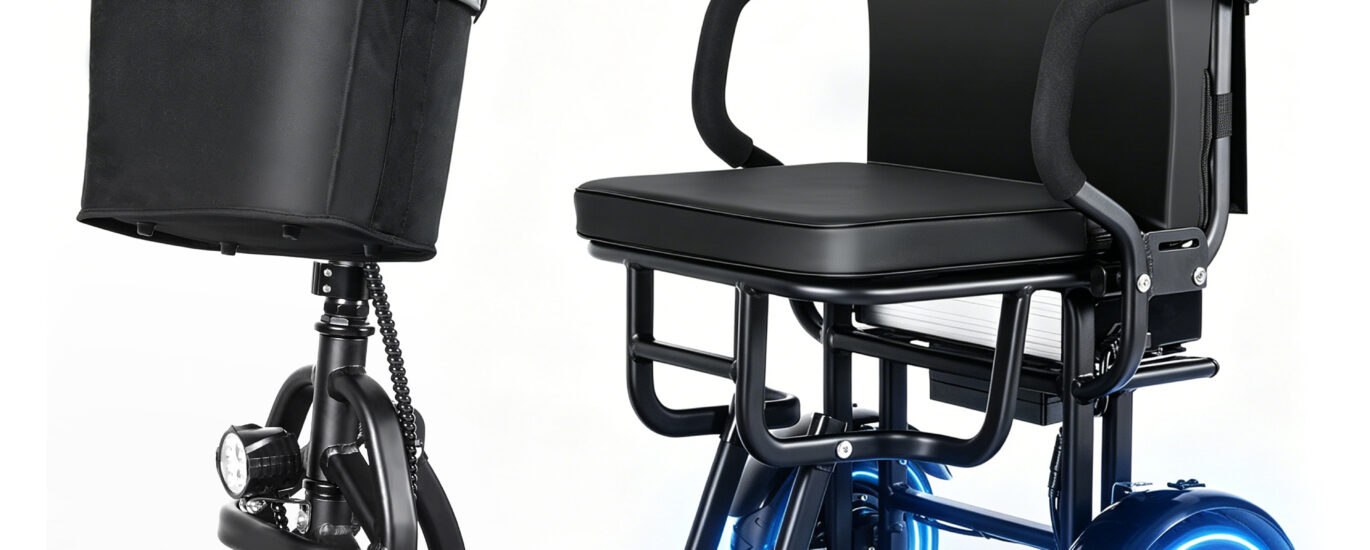
Yes, electric tricycles are generally safe for older adults when they are chosen and used correctly. Compared to traditional bicycles, electric tricycles offer three-wheel stability, a more comfortable riding position, easier balance at low speeds, and electric assistance that reduces physical strain. These features make them an attractive mobility option for seniors who want to maintain independence, stay active, and travel short to moderate distances without relying on a car.
However, safety depends on several factors, including the rider’s mobility level, the tricycle’s design, speed settings, terrain, and overall comfort. Seniors should look for features such as a stable frame, comfortable seat, easy-to-use controls, reliable brakes, and an appropriate weight capacity. It’s also important to practice riding in a safe area before using an electric tricycle on public roads or crowded pathways.
Introduction
Many older adults want to remain independent and active but may find walking long distances or riding a traditional bicycle increasingly challenging. Reduced balance, joint pain, arthritis, and decreased stamina can make everyday transportation more difficult.
This is where electric tricycles have gained popularity. By combining the stability of three wheels with battery-powered assistance, electric tricycles offer a practical mobility solution for seniors who want to shop, visit friends, attend appointments, or simply enjoy outdoor recreation.
But an important question remains:
Are electric tricycles actually safe for older adults?
The answer is yes for most users, but safety depends on choosing the right model, understanding its limitations, and following safe riding practices.
Why Are Electric Tricycles Considered Safe for Older Adults?
Three-Wheel Stability
One of the biggest advantages of an electric tricycle is stability.
Unlike a traditional bicycle that requires constant balancing, a tricycle remains upright when stopped or moving slowly.
Benefits include:
- Reduced risk of tipping over
- Greater confidence when starting and stopping
- Easier navigation at lower speeds
- Improved comfort for riders with balance concerns
For many seniors, this feature alone significantly improves safety.
Electric Assistance Reduces Physical Strain
Many older adults experience:
- Arthritis
- Knee pain
- Hip discomfort
- Reduced endurance
Electric motors assist with pedaling, reducing the effort required to travel.
This helps prevent:
- Overexertion
- Fatigue
- Joint stress
- Muscle strain
As a result, seniors can ride farther and more comfortably.
Comfortable Riding Position
Most electric tricycles offer a more upright seating position than standard bicycles.
Benefits include:
- Less pressure on the back
- Reduced neck strain
- Better visibility
- Easier mounting and dismounting
Comfort often contributes directly to safer riding.
What Safety Features Should Older Adults Look For?
Reliable Braking Systems
Good brakes are essential.
Look for:
- Disc brakes
- Dual braking systems
- Parking brakes
These features help maintain control during stops and downhill riding.
Comfortable Seat Design
Long rides can become uncomfortable without proper seating.
Important features include:
- Wide seat cushions
- Back support
- Adjustable seating positions
Comfort reduces fatigue and improves concentration.
Appropriate Weight Capacity
Every electric tricycle has a maximum rider capacity.
Choosing the correct weight rating helps maintain:
- Stability
- Motor performance
- Braking effectiveness
Never exceed manufacturer recommendations.
Easy-to-Use Controls
Seniors often prefer:
- Simple displays
- Large buttons
- Easy throttle operation
- Clear battery indicators
Complicated controls can create distractions while riding.
How Safe Are Electric Tricycles Compared to Traditional Bicycles?
| Feature | Electric Tricycle | Traditional Bicycle |
|---|---|---|
| Stability | Excellent | Moderate |
| Balance Requirement | Low | High |
| Ease of Mounting | Easier | More Difficult |
| Rider Confidence | Higher | Moderate |
| Physical Effort | Lower | Higher |
| Cargo Capacity | Better | Limited |
| Learning Curve | Moderate | Moderate |
For seniors with balance concerns, electric tricycles often provide a safer experience.
Which Electric Tricycle Is Best for Different Older Adults?
Best for Seniors with Balance Concerns
Look for:
- Wide wheelbase
- Lower center of gravity
- Stable frame design
Best for Seniors with Arthritis
Recommended features:
- Adjustable handlebars
- Comfortable seating
- Smooth suspension
- Electric pedal assistance
Best for Daily Errands
Important features:
- Rear cargo basket
- Moderate battery range
- Easy controls
Best for Small Apartment Living
Consider:
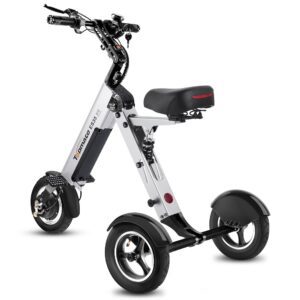
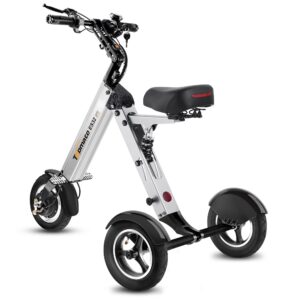
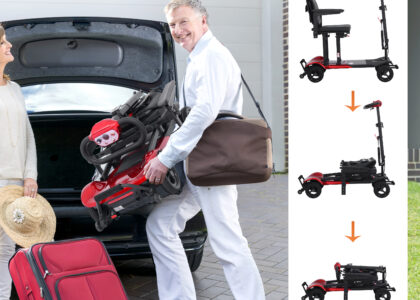
- Foldable electric tricycles
- Compact storage dimensions
- Lightweight designs
Best for Outdoor Recreation
Look for:
- Larger wheels
- Extended battery range
- Comfortable seating
- Strong motor assistance
A Typical Day Using an Electric Tricycle
Imagine a 70-year-old rider who uses an electric tricycle for everyday activities.
Morning
The rider travels to a local coffee shop and grocery store.
Afternoon
A short ride to a medical appointment eliminates the need for a car.
Evening
The rider enjoys a relaxing trip around the neighborhood park.
Throughout the day, electric assistance reduces physical strain while three-wheel stability provides confidence and comfort.
This combination is why many seniors find electric tricycles practical for daily mobility.
Common Safety Mistakes Older Adults Should Avoid
1. Choosing a Tricycle That Is Too Large
Oversized models can be difficult to maneuver.
2. Riding Without Practice
Always spend time learning the controls and handling characteristics.
3. Ignoring Weight Capacity
Exceeding limits can affect braking and stability.
4. Riding Too Fast
Higher speeds reduce reaction time and increase stopping distance.
5. Skipping Maintenance
Regular inspections improve safety and reliability.
6. Using Incorrect Tire Pressure
Poor tire maintenance can affect handling and braking.
7. Riding on Unsuitable Terrain
Not every electric tricycle is designed for rough trails or steep hills.
How to Improve Electric Tricycle Safety
Wear Safety Equipment
Recommended gear includes:
- Helmet
- Reflective clothing
- Bright lights
Perform Regular Inspections
Check:
- Brakes
- Tires
- Battery connections
- Lights
Before each ride.
Start Slowly
New riders should practice:
- Turning
- Stopping
- Parking
- Emergency braking
In an open area before riding in traffic.
Plan Routes Carefully
Choose:
- Smooth pavement
- Bike-friendly paths
- Low-traffic streets
Whenever possible.
Conclusion
Electric tricycles can be a safe and practical mobility solution for older adults who want greater independence, comfort, and confidence when traveling short to moderate distances. Their three-wheel design offers improved stability compared to traditional bicycles, while electric assistance reduces physical effort and joint strain.
The safest electric tricycle is one that matches the rider’s mobility needs, comfort preferences, and daily activities. Features such as reliable brakes, comfortable seating, appropriate weight capacity, and easy-to-use controls can make a significant difference in both safety and enjoyment.
FAQ
Are electric tricycles safe for older adults?
Yes. Electric tricycles are generally safe for older adults because they provide three-wheel stability, electric assistance, and a comfortable riding position.
Do electric tricycles require balance like a bicycle?
No. Unlike traditional bicycles, electric tricycles remain stable on three wheels and require much less balance.
Can seniors with arthritis ride an electric tricycle?
Yes. Electric assistance reduces pressure on joints, making riding easier for seniors with arthritis, knee pain, or limited mobility.
What safety features should seniors look for in an electric tricycle?
Seniors should look for reliable brakes, a comfortable seat, easy-to-use controls, a stable frame, and an appropriate weight capacity.

-scaled-2-420x300.jpg)