Quick Answer
The best mobility scooter for seniors who enjoy camping and outdoor adventures in 2026 is one that balances portability, battery range, outdoor stability, and easy transportation. For most campers and RV travelers, a lightweight foldable scooter with a lithium battery, reliable ground clearance, and enough range for a full day of exploring offers the best experience.
Introduction
Camping today looks very different than it did twenty years ago. Many retirees are spending weeks—or even months—traveling across the USA, Canada, and Australia in RVs, camper trailers, and motorhomes. Instead of limiting themselves to one destination, they’re exploring national parks, lakes, scenic highways, fishing spots, botanical gardens, and outdoor festivals.
A mobility scooter has become an important travel companion because it allows seniors to stay active without exhausting themselves during long days outdoors.
Why This Matters
A good outdoor mobility scooter does much more than improve transportation.
It gives users the freedom to:
- Explore campground roads comfortably
- Reach fishing docks without long walks
- Visit scenic overlooks
- Enjoy botanical gardens
- Attend outdoor concerts and festivals
- Navigate large RV resorts
- Spend more time with family during vacations
- Access picnic shelters and lakeside recreation areas
Instead of planning activities around physical limitations, many seniors can continue enjoying the hobbies they’ve loved for decades.
Common User Problems
Outdoor travel introduces challenges that many first-time buyers don’t consider.
Uneven Terrain
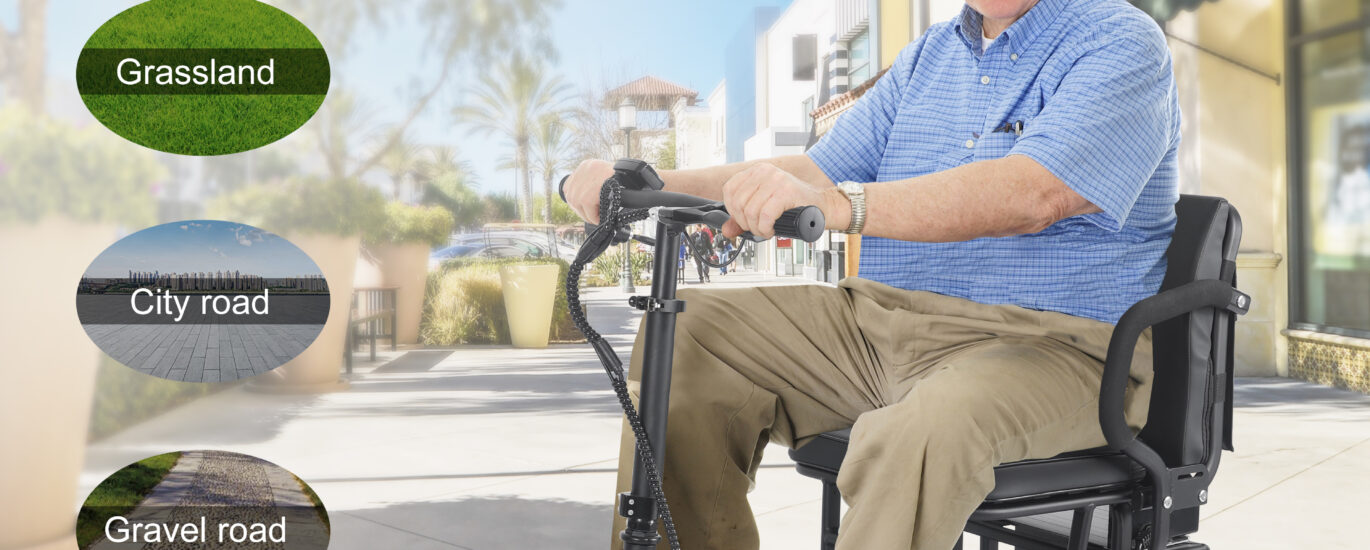
Campgrounds rarely have perfectly smooth pavement. Most include gravel roads, compacted dirt, grass, and uneven transitions between surfaces.
Gravel Paths
Loose gravel can reduce traction, making narrow wheels less comfortable.
Grass
Freshly cut grass is generally manageable, but soft or wet grass may increase rolling resistance and reduce battery efficiency.
Battery Range Anxiety
National parks and RV resorts can cover hundreds of acres. Running out of battery several miles from your campsite can quickly become a problem.
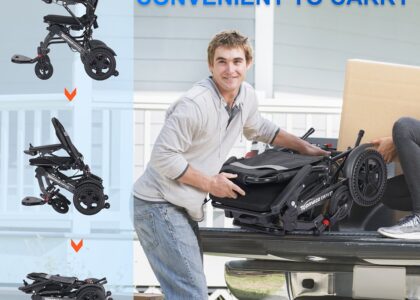
Transporting the Scooter
Many campers need to lift or store their scooter inside:
- Motorhomes
- Travel trailers
- SUVs
- Pickup trucks
- Camper vans
A heavy scooter may become difficult to manage during frequent travel.
Charging at Campsites
Most developed campgrounds provide electrical hookups, but primitive campsites may not.
Planning charging opportunities before arriving prevents unnecessary stress.
Weather Exposure
Outdoor adventures often involve:
- Dust
- Light rain
- Morning dew
- Heat
- Mud
Proper maintenance becomes more important than during everyday city use.
Limited Storage
Storage compartments inside RVs are valuable. Foldable scooters typically fit more easily without taking up excessive space.
Real-Life Outdoor Scenarios
Exploring a National Park Campground
After parking the RV, you may spend several hours visiting visitor centers, scenic roads, gift shops, picnic areas, and accessible trails. A portable scooter allows comfortable travel throughout the campground.
Visiting Lakeside Fishing Spots
Fishing often requires traveling from the parking area to docks or shoreline access points. Good battery range and stable tires help navigate these routes.
Navigating an RV Resort
Large RV resorts frequently include pools, clubhouses, recreation centers, restaurants, and walking paths spread across several acres.
Outdoor Festivals
County fairs, craft festivals, and outdoor concerts involve extensive walking over pavement and grass. A foldable scooter helps conserve energy throughout the day.
Camping with Grandchildren
Rather than staying at the campsite, grandparents can comfortably join nature walks, playground visits, and family outings.
Touring Botanical Gardens
Many gardens feature long paved pathways with occasional inclines. A scooter makes extended sightseeing more enjoyable.
Exploring Historic Small Towns
Historic districts often include brick sidewalks, uneven pavement, and longer walking distances than expected.
Terrain Considerations
Different outdoor surfaces require different scooter characteristics.
| Terrain | What to Expect | Recommended Features |
|---|---|---|
| Pavement | Smooth riding | Any quality mobility scooter |
| Gravel | Reduced traction | Wider tires, stable frame |
| Grass | Higher rolling resistance | Good ground clearance |
| Packed Dirt | Small bumps | Suspension and larger wheels |
| Moderate Inclines | Increased battery demand | Strong motor and adequate battery |
Remember that mobility scooters are intended for maintained outdoor paths rather than rugged off-road trails.
Outdoor Features to Prioritize
Ground Clearance
Higher ground clearance helps prevent scraping on uneven campground roads, small rocks, or transitions between paved and gravel surfaces.
Tires
Larger, durable tires improve stability over mixed terrain while providing a more comfortable ride.
Suspension
Suspension reduces vibration when traveling over gravel, packed dirt, or uneven pavement.
Battery Range
Longer battery range means fewer charging interruptions during full-day adventures.
When estimating your needs, remember that:
- Hills
- Grass
- Gravel
- Heavy loads
- Cold weather
all reduce actual driving distance.
Foldability
Frequent travelers benefit from scooters that fold quickly and fit into RV storage compartments or SUV cargo areas.
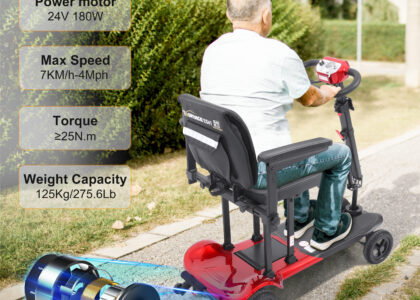
Weight Capacity
Choose a scooter with sufficient capacity to comfortably support both the rider and any personal belongings.
Weather Resistance
Outdoor use exposes scooters to dust, moisture, and changing weather. While no scooter should be submerged or driven through deep water, weather-resistant components provide added durability.
Storage Options
Useful accessories include:
- Rear baskets
- Front bags
- Cup holders
- Cooler bags
- Storage pouches
These make carrying picnic supplies, fishing gear, cameras, or jackets much easier.
Battery Planning for Multi-Day Trips
Battery management becomes especially important during extended camping trips.
Before Leaving
- Fully charge the battery.
- Test the charger.
- Review expected daily mileage.
- Check campground electrical availability.
At the Campsite
If electrical hookups are available, recharge overnight whenever practical.
For RV travelers, many charging setups work well using campground shore power.
During Day Trips
Avoid waiting until the battery is nearly empty before recharging. Partial charging throughout the trip can help ensure enough power for unexpected detours.
Cold Weather
Battery efficiency decreases in cooler temperatures, so expect somewhat shorter driving distances during early spring or autumn camping.
Comparison Table
| Outdoor Activity | Key Scooter Features | Best TopMate Model |
|---|---|---|
| RV travel | Lightweight, foldable | TopMate ES15 |
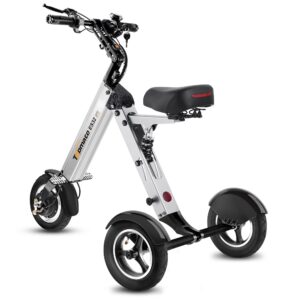
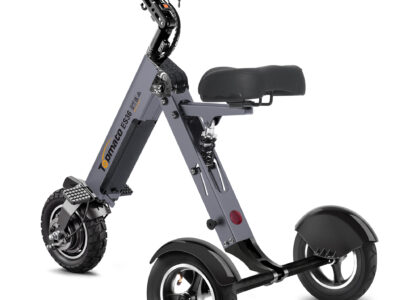
| National park sightseeing | Long range, comfort | TopMate ES36 |
| Fishing trips | Stability, storage | TopMate ES33 |
| Campground exploration | Compact size | TopMate ES15 |
| Outdoor festivals | Comfortable seating | TopMate ES36 |
| Botanical gardens | Smooth handling | TopMate ES15 |
| Historic town tours | Portability | TopMate ES15 |
| Extended outdoor vacations | Larger battery | TopMate ES36 |
Product Recommendations
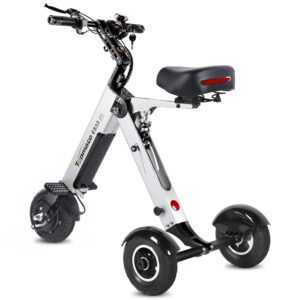
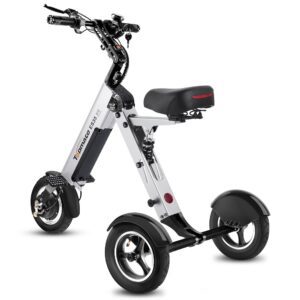
TopMate ES15
Best for: Frequent travelers and RV owners
Strengths
- Lightweight and portable
- Easy to fold
- Fits many SUVs and RV storage areas
- Ideal for paved campground roads
- Excellent for sightseeing and day trips
Choose the ES15 if portability is your highest priority.
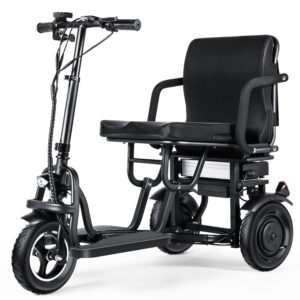
TopMate ES33
Best for: Mixed outdoor recreation
Strengths
- Balanced portability and stability
- Comfortable for longer outings
- Suitable for campground roads and park pathways
- Good choice for fishing trips and outdoor events
The ES33 offers versatility for users who regularly alternate between travel and everyday use.
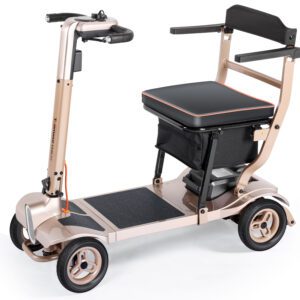
TopMate ES36
Best for: Longer outdoor adventures
Strengths
- Designed for extended daily use
- Comfortable ride quality
- Better suited for larger outdoor attractions
- Strong option for national parks and large RV resorts
Choose the ES36 if comfort and longer-range exploration matter more than carrying the lightest scooter possible.
Conclusion
The best mobility scooter for seniors who enjoy camping and outdoor adventures in 2026 is one that supports your lifestyle—not just your mobility needs. Whether you’re exploring a national park, relaxing at a lakeside campground, navigating an RV resort, or enjoying an outdoor festival with family, the right scooter can make every outing more accessible and enjoyable.
Focus on practical features such as portability, battery range, terrain capability, and ease of transport. A foldable model may be ideal for frequent RV travelers, while a larger scooter with extended range may better suit long sightseeing days. By matching your scooter to how and where you travel, you’ll spend less time worrying about logistics and more time experiencing the outdoors.
FAQ
What is the best mobility scooter for camping and outdoor adventures?
The best mobility scooter for camping is one that is lightweight, foldable, and offers sufficient battery range for a full day of outdoor use.
Can a mobility scooter be used on gravel, grass, and dirt paths?
Yes, many mobility scooters can handle well-maintained gravel, grass, and packed dirt paths. Performance depends on factors such as tire design, ground clearance, rider weight, and terrain conditions.
How do I charge a mobility scooter while camping?
If you’re staying at a campground with electrical hookups, simply recharge the battery using the manufacturer’s charger. RV travelers can also charge their scooter using campground shore power.
Which TopMate mobility scooter is best for RV travel?
The TopMate ES15 is an excellent choice for RV travel because of its lightweight, foldable design and easy storage. If you need more comfort and longer battery range for larger campgrounds or extended sightseeing, the TopMate ES36 may be a better option.