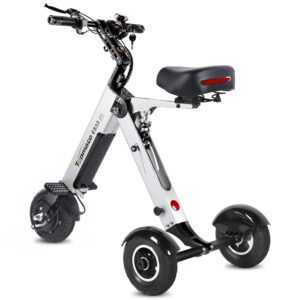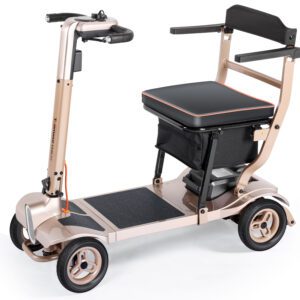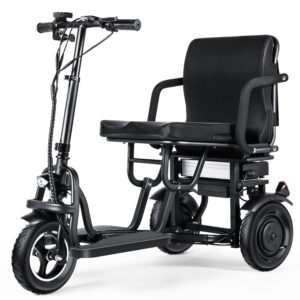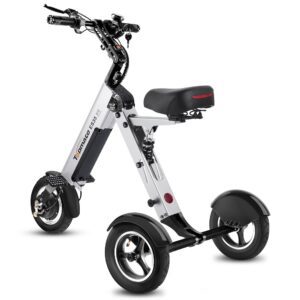
Quick Answer
Choosing the best mobility scooter for seniors with limited hand strength is about much more than speed or battery range. The right scooter should reduce the effort required to steer, accelerate, brake, and fold while providing a comfortable, confidence-inspiring ride.
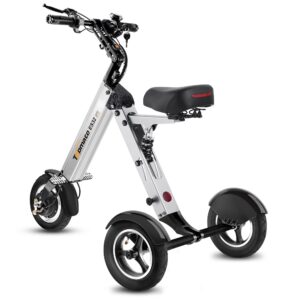
For many seniors, features such as ergonomic handlebars, responsive thumb throttles, easy-to-read controls, lightweight steering, adjustable seating, and a stable platform can make everyday mobility significantly easier. Foldable mobility scooters are also worth considering because they simplify storage and transportation without requiring excessive lifting or complicated disassembly.
Why Hand Strength Matters
Reduced grip strength is a common part of aging. Everyday tasks such as opening jars, carrying groceries, or turning keys may become more difficult over time. The same applies to operating a mobility scooter.
Although most modern scooters are designed to be user-friendly, some require more steering effort or stronger hand control than others. A scooter that demands constant gripping or awkward wrist movements may lead to discomfort during longer rides.
Fortunately, manufacturers now offer many features that reduce the physical effort needed to operate a scooter. These improvements can help seniors feel more confident while traveling to appointments, shopping centers, parks, and social activities.
Features That Make Scooters Easier to Use
Ergonomic Handlebars
The shape of the handlebars has a major impact on comfort.
Wide, ergonomically designed handlebars allow your hands to rest in a more natural position, reducing strain on your wrists and fingers. A comfortable grip also improves steering precision, especially during longer outings.
Before buying, try holding the handlebars to ensure they feel secure without requiring excessive gripping force.
Responsive Thumb Throttles
Many mobility scooters use thumb-operated throttle levers.
Are thumb throttles easier than twist throttles?
For many seniors, yes.
Thumb throttles generally require less wrist movement and allow users to control speed with a gentle push of the thumb. They also make it easier to alternate between the left and right hand if one hand becomes tired.
Twist throttles, which require rotating the wrist, may be less comfortable for users with reduced grip strength or limited wrist flexibility.
Light Steering
Heavy steering can quickly become tiring, especially during shopping trips or museum visits.
A scooter with responsive steering requires less effort to make turns and navigate narrow aisles.
This becomes especially valuable when visiting:
- Grocery stores
- Shopping malls
- Airports
- Medical clinics
- Retirement communities
Smooth steering helps reduce hand fatigue while improving confidence in crowded environments.
Easy-to-Reach Controls
Control panels should be simple and intuitive.
Look for:
- Large buttons
- Clearly labeled controls
- Easy-to-read battery indicators
- Accessible speed adjustment knobs
- Simple forward and reverse controls
Complicated control layouts can increase frustration and reduce confidence for first-time users.
Comfortable Seating
Comfort isn’t only about the seat cushion.
A supportive seat encourages better posture, allowing your arms to remain relaxed while driving.
Features worth considering include:
- Adjustable seat height
- Padded armrests
- Adjustable arm width
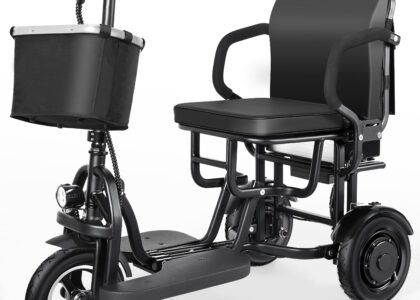
- Swivel seats for easier transfers
Proper seating position also helps reduce unnecessary strain on your shoulders and hands.
Lightweight Folding Mechanism
If you plan to transport your scooter regularly, folding should not require excessive effort.
Many modern foldable mobility scooters feature simple folding mechanisms that reduce lifting and setup time.
For seniors with limited hand strength, fewer folding steps often mean greater independence.
Common Buying Mistakes
Choosing Based Only on Battery Range
A longer driving range sounds appealing, but if the scooter is uncomfortable to operate, you may not enjoy using it.
Comfort and ease of control should come before maximum mileage.
Ignoring Handlebar Comfort
Some buyers focus on specifications while overlooking how the handlebars actually feel.
Since your hands remain on the controls throughout every ride, handlebar comfort deserves careful attention.
Buying a Scooter That Is Too Heavy
Heavy scooters may be difficult to transport, fold, or store.
If you frequently travel by car, a lightweight mobility scooter may be a better long-term investment.
Skipping a Test Ride
Whenever possible, try driving the scooter before purchasing.
Pay attention to:
- Steering effort
- Thumb throttle response
- Seat comfort
- Turning radius
- Overall confidence while driving
Even a short test ride can reveal whether the scooter feels comfortable for your needs.
Best Scooter Features for Seniors With Limited Hand Strength
When comparing models, prioritize features that reduce physical effort rather than simply adding performance.
Look for:
- Ergonomic handlebars
- Thumb throttle controls
- Adjustable tiller angle
- Comfortable padded seat
- Stable four-wheel or balanced three-wheel design
- Lightweight steering
- Foldable frame
- Easy-access charging port
- Large, easy-to-read display
- Adjustable armrests
These features work together to create a more enjoyable riding experience.
Daily Usage Scenarios
Grocery Shopping
Frequent stopping, turning, and navigating crowded aisles require responsive steering and simple controls.
A scooter with light steering reduces hand fatigue during longer shopping trips.
Doctor Appointments
Medical facilities often include elevators, waiting rooms, and narrow hallways.
Compact scooters with precise steering make these visits less stressful.
Visiting Friends
Whether you’re attending family gatherings or visiting neighbors, easy maneuverability helps you enter homes, community centers, and restaurants comfortably.
Parks and Outdoor Walkways
Paved walking paths require steady steering and comfortable seating.
A stable scooter allows you to enjoy outdoor activities without constantly adjusting your grip.
Airports and Cruise Vacations
Travel often involves repeated folding, loading, and unloading.
A lightweight foldable mobility scooter minimizes the effort needed throughout your journey.
Maintenance Tips
Regular maintenance keeps your scooter operating smoothly while reducing unnecessary steering resistance.
Good habits include:
- Keep tires properly inflated if applicable.
- Clean dirt from moving parts.
- Charge the battery according to the manufacturer’s recommendations.
- Inspect controls regularly for smooth operation.
- Tighten loose hardware when needed.
- Store the scooter in a dry location.
- Schedule periodic servicing if recommended by the manufacturer.
Proper maintenance helps preserve performance and extends the scooter’s lifespan.
Final Buying Advice
Finding the best mobility scooter for seniors with limited hand strength isn’t about choosing the fastest or most expensive model. Instead, focus on comfort, ease of control, and confidence during everyday use.
Features such as ergonomic handlebars, responsive thumb throttles, lightweight steering, adjustable seating, and simple controls can significantly improve the overall riding experience. Foldable designs also make transportation and storage much easier for seniors who travel frequently.
Before making a purchase, consider how and where you’ll use the scooter most often. A model that fits your lifestyle and requires less physical effort will likely provide greater long-term satisfaction than one chosen solely for its technical specifications.
By prioritizing ease of operation over marketing claims, you’ll be better prepared to select a mobility scooter that supports independence, comfort, and everyday mobility.
FAQ
Which mobility scooter is easiest to steer?
Mobility scooters with lightweight steering systems, ergonomic handlebars, and responsive controls are generally the easiest to steer. A test ride is the best way to determine which model feels most comfortable.
Are thumb throttles easier than twist throttles?
For many seniors, yes. Thumb throttles typically require less wrist movement and can reduce hand fatigue during longer rides, making them easier to operate than twist-style throttles.
What handlebars are easiest to grip?
Ergonomic, padded handlebars with a comfortable diameter are usually the easiest to grip. They help reduce pressure on the hands and provide better control during everyday use.
What features help reduce hand fatigue?
Features such as ergonomic handlebars, thumb throttles, lightweight steering, adjustable seating, padded armrests, and easy-to-reach controls can all help reduce hand fatigue while riding.
What should seniors look for before buying a mobility scooter?
Seniors should consider steering effort, control layout, seat comfort, portability, folding mechanism, storage needs, and overall ease of operation rather than focusing only on speed or battery range.