For seniors who find walking long distances or standing for extended periods difficult, a mobility scooter may make everyday transportation easier. However, choosing the right model requires more than finding the lightest or longest-range option. The best mobility scooter for seniors with limited leg strength should match the rider’s comfort, control, weight capacity, portability, range, and daily environment.
Quick Answer
The right mobility scooter depends on the rider’s individual needs. Prioritize comfortable seating, simple controls, suitable weight capacity, appropriate wheel configuration, manageable weight, useful battery range, and convenient storage. A lightweight folding scooter may suit frequent travelers, while a larger model may work better for users who spend longer periods riding outdoors.
Limited Leg Strength Changes
Difficulty walking can make ordinary activities more demanding. A mobility scooter may reduce the need to walk long distances while allowing the rider to remain seated during transportation. The goal is not to treat a medical condition but to find equipment that fits the user’s routine.
Walking Long Distances
Large stores, community centers, airports, and outdoor attractions can require considerable walking. A mobility scooter may help conserve walking ability for situations where walking remains necessary.
Standing for Extended Periods
Waiting in lines or moving between locations can become uncomfortable when standing for long periods is difficult. A seated scooter may make certain daily transportation tasks easier.
Getting Around Large Places
Large shopping centers and retirement communities often cover significant distances. In these environments, battery range, seating comfort, maneuverability, and control simplicity become important.
Getting On and Off the Scooter
Transferring onto the seat requires consideration. The rider should feel confident approaching the scooter, sitting down, and standing again. Anyone with significant mobility concerns should discuss suitable equipment with a qualified healthcare professional.
The Most Important Features to Look For
Comfortable and Supportive Seating
Seat design matters when a rider expects to spend extended periods on the scooter. Check the seat width, back support, height, and overall riding position. A larger seat does not automatically provide better comfort because individual fit remains important.
Easy-to-Operate
Simple controls can benefit first-time riders. Look for clearly positioned speed settings, throttle or joystick controls, braking functions, and reverse operation. The TopMate ES35, for example, provides adjustable speed settings and reverse functionality.
Weight Capacity
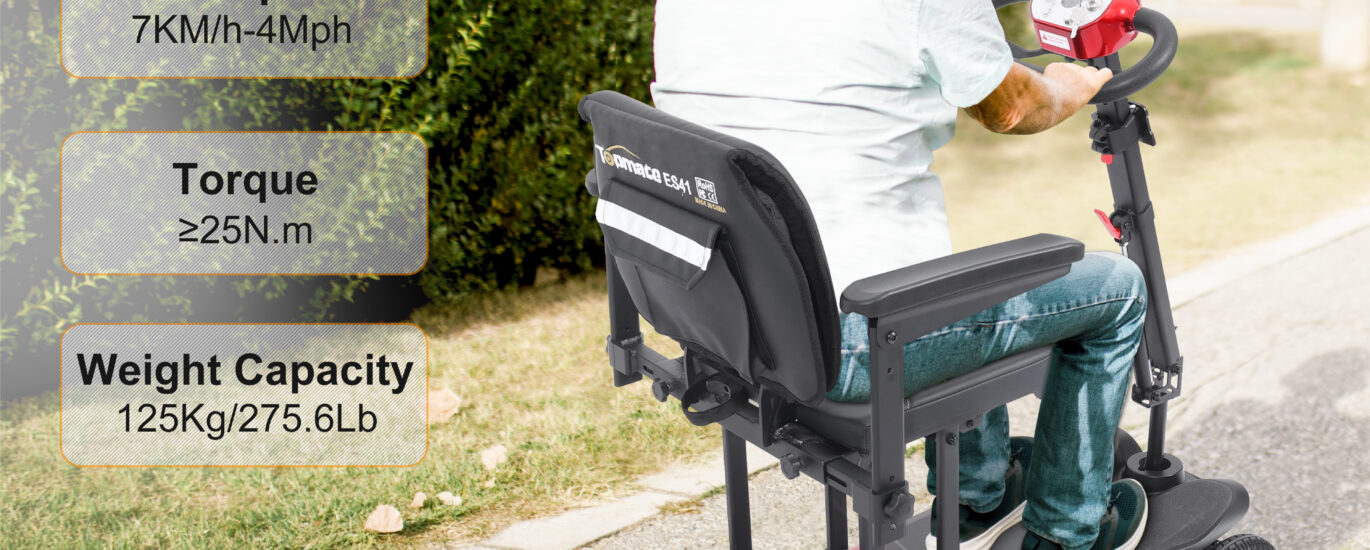
Always compare the manufacturer’s weight limit with the rider’s weight and any belongings carried during trips. The current TopMate ES15 lists a 300-pound maximum load, while the ES35 lists approximately 220.5 pounds. That difference can immediately affect which model fits a particular user.
Wheel Configuration
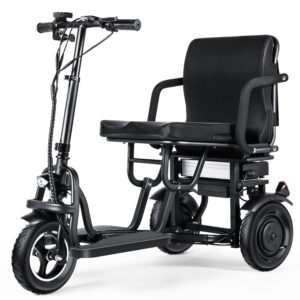
Three-wheel scooters generally emphasize maneuverability, particularly in tighter spaces. Four-wheel designs can appeal to riders who prefer a broader wheel arrangement. Wheel count alone does not determine stability, so consider the entire scooter design and intended environment.
Manageable Scooter Weight
Transportation requirements often matter as much as riding performance. The current ES15 weighs approximately 56.88 pounds without its battery, while the ES35 weighs approximately 35.5 pounds. A lighter model may simplify loading, storage, and transportation.
Battery Range
Choose range according to actual travel needs instead of simply selecting the largest number. The ES15 currently lists a 16–19-mile range, while the ES35 lists approximately 15.53–18.64 miles. Actual performance can vary with rider weight, terrain, temperature, speed, and battery condition.
Storage and Transportation
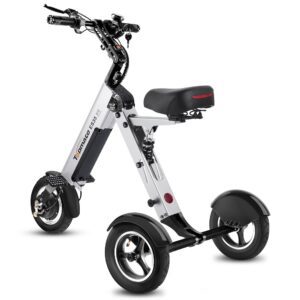
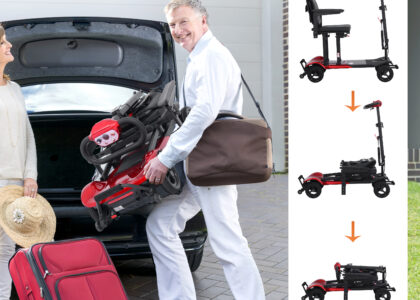
Folding designs can help users with limited storage space or frequent travel. Both the ES15 and ES35 use folding designs and removable lithium batteries, making them relevant options for transportation-focused buyers.
3-Wheel vs 4-Wheel: Which Is More Practical?
Three-wheel scooters generally offer tighter maneuverability. That characteristic can help when navigating indoor areas, narrow pathways, and shopping spaces.
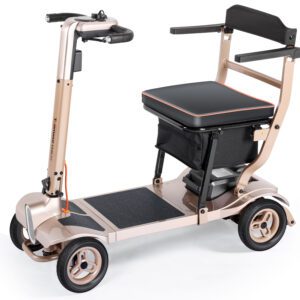
Four-wheel scooters provide a wider wheel arrangement that some riders may prefer for everyday outdoor travel. However, the right choice depends on the user’s environment, confidence, and operating needs.
Consider door widths, turning areas, sidewalks, slopes, and common travel routes before deciding. A practical trial can also help a rider determine which configuration feels easier to control.
Lightweight vs Heavy-Duty Models
When Lightweight Makes More Sense
Lightweight scooters make sense when transportation is a major part of ownership. Consider one if you frequently load the scooter into a car, live in a smaller home, travel regularly, or need to move the scooter between locations.
The ES35 particularly emphasizes portability because of its approximately 35.5-pound weight.
When a Larger Model May Be More Appropriate
Larger scooters can provide more room and a more substantial riding platform. They may suit users who spend longer periods riding and have less need to lift or transport the scooter.
Remember that increased size and weight can make vehicle transportation and storage more demanding.
Best Mobility Scooter Features for Everyday Scenarios
Grocery Shopping
Prioritize maneuverability, simple controls, useful storage, and enough range for the complete trip. A folding scooter can be especially practical when the journey starts with a car ride.
Visiting Family
Transportation becomes important when visiting relatives. A scooter that a caregiver can load without excessive effort may encourage more consistent use.
Shopping Centers
Shopping centers require frequent turns and potentially long periods of seated travel. Comfortable seating, intuitive controls, and maneuverability deserve particular attention.
Retirement Communities
Check pathway widths, doorways, elevators, common areas, and outdoor routes. Compact dimensions can make everyday movement easier in shared residential spaces.
Parks and Local Attractions
For paved paths, consider range, seating, and wheel design. Do not assume that a lightweight scooter suits grass, gravel, or rough terrain unless the manufacturer specifically supports that use.
Travel and Road Trips
Portability becomes especially important during road trips. A folding scooter with a removable battery can simplify vehicle storage and charging.
TopMate Options to Consider
TopMate ES15
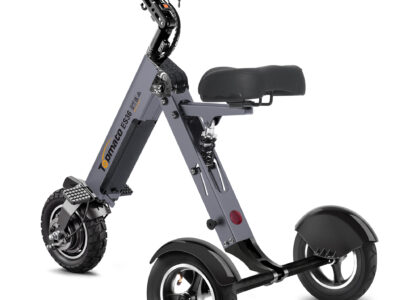
The ES15 can suit seniors who want portability while needing a higher weight capacity than some lightweight models. Its current specifications list a 300-pound maximum load, approximately 56.88-pound weight without the battery, removable 36V 7.8Ah lithium battery, folding design, and 16–19-mile range.
This combination makes the ES15 relevant for users who want a travel-oriented scooter without moving into a heavier full-size design.
TopMate ES35
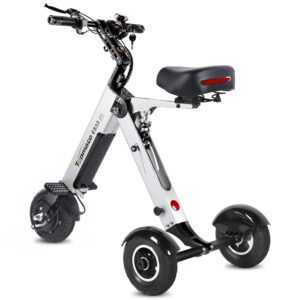
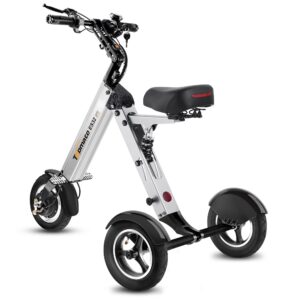
The ES35 focuses more strongly on lightweight transportation. Its current specifications list approximately 35.5 pounds, a 220.5-pound maximum load, removable 36V 7.8Ah lithium battery, folding design, and approximately 15.53–18.64 miles of range.
For lighter riders who regularly transport their scooter, those characteristics may provide a practical balance between portability and everyday mobility.
Final Recommendation
The best mobility scooter for seniors with limited leg strength depends on the rider’s routine rather than one universal specification.
The TopMate ES35 can make sense for lighter riders who prioritize minimum weight, folding storage, and frequent transportation. The TopMate ES15 may provide a better fit for users who need a higher 300-pound capacity while still wanting a folding, travel-oriented scooter.
Ultimately, prioritize comfortable seating, easy controls, appropriate capacity, manageable weight, sufficient range, and compatibility with the rider’s everyday environment. A qualified healthcare professional can also help determine which type of mobility equipment is appropriate for an individual’s needs.
FAQ
What is the best mobility scooter for seniors with limited leg strength?
The right scooter depends on weight, seating needs, control ability, transfer requirements, daily environment, portability, and expected travel distance. A lightweight folding model may suit frequent travelers, while a larger scooter may work better for extended riding.
Is a lightweight mobility scooter better for seniors?
Not necessarily. Lightweight scooters are easier to transport and store, but buyers should also evaluate weight capacity, seating, controls, wheel configuration, and battery range before choosing a model.
Is a 3-wheel or 4-wheel mobility scooter better for seniors?
Neither configuration is universally better. Three-wheel scooters generally emphasize maneuverability, while four-wheel designs may appeal to riders who prefer a wider wheel arrangement. The user’s environment and control ability should guide the decision.
Can a mobility scooter help someone who has difficulty walking long distances?
A mobility scooter may reduce the need to walk long distances and can make certain transportation activities easier. It does not treat an underlying medical condition. People with significant or changing mobility concerns should discuss suitable equipment with a qualified healthcare professional.

-scaled-2-420x300.jpg)