Quick Answer
No. Most mobility scooters use very little electricity compared to common household appliances. A typical lithium battery mobility scooter consumes around 0.3–1.2 kWh for a full charge, depending on battery size. In most countries, a full charge usually costs between $0.05 and $0.45 USD (or the local equivalent), making the annual electricity cost relatively low for most users.
Key Takeaways
- Mobility scooters are inexpensive to charge compared to many home appliances.
- Lithium batteries are more energy-efficient than lead-acid batteries.
- Charging costs depend on battery capacity and local electricity rates.
- Rider weight, terrain, weather, and riding habits affect energy consumption.
- Proper battery care helps reduce long-term operating costs.
- Most users spend only a small amount each month on charging.
Introduction
Many first-time buyers worry that owning a mobility scooter will noticeably increase their electricity bill. Since mobility scooters rely on rechargeable batteries, it’s natural to wonder whether frequent charging will become expensive.
Fortunately, the answer is reassuring. Modern mobility scooters, especially those equipped with lithium batteries, are highly energy-efficient. Even if you use your scooter every day for shopping, appointments, or recreational outings, the electricity required for charging is generally much lower than most people expect.
Understanding how charging works and what affects electricity usage can help you estimate operating costs more accurately and choose the right scooter for your lifestyle.
How Much Electricity Does a Mobility Scooter Use?
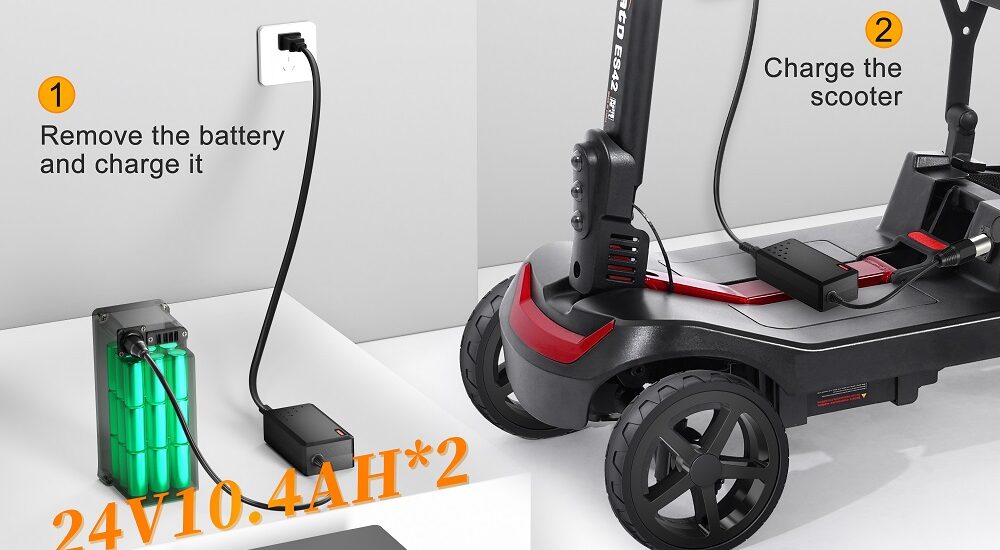
The amount of electricity a mobility scooter consumes depends mainly on its mobility scooter battery capacity, which is usually measured in watt-hours (Wh).
For example:
- A 500 Wh battery uses approximately 0.5 kWh of electricity for a full charge.
- A 700 Wh battery requires about 0.7 kWh.
- Larger batteries may consume around 1.0–1.2 kWh.
Because battery chargers are not 100% efficient, the actual electricity drawn from your home’s electrical outlet is usually about 10–15% higher than the battery’s rated capacity.
Even with this small energy loss, mobility scooters remain among the lowest-cost electric vehicles to operate.
Estimated Charging Costs Around the World
The exact cost of charging depends on your local electricity rate. The following examples use average residential electricity prices and assume one full charge per day.
|
|---|
What Affects Electricity Usage?
Several factors influence how much electricity your scooter uses over time.
Rider Weight: Heavier loads require the motor to work harder, increasing battery consumption.
Terrain: Hills, rough paths, and uneven sidewalks use more energy than smooth, level surfaces.
Temperature: Very hot or cold weather can reduce battery efficiency, meaning more frequent charging may be needed.
Battery Age: Older batteries gradually lose capacity and may require charging more often. If you’re unsure about your battery’s capacity and how it affects performance, learn more about mobility scooter battery capacity.
Charging Habits: Charging with the recommended charger and avoiding deep battery discharge helps maintain efficiency.
Tire Pressure: Properly inflated tires reduce rolling resistance, helping the scooter travel farther on each charge.
Driving Style: Frequent stopping, rapid acceleration, and higher speeds consume more battery power than smooth, steady riding.
Lithium vs. Lead-Acid Batteries
Battery type has a significant impact on charging efficiency and long-term costs.
| Feature | Lithium Battery | Lead-Acid Battery |
|---|---|---|
| Charging Efficiency | High | Moderate |
| Charging Time | Faster | Slower |
| Weight | Lightweight | Heavier |
| Lifespan | Longer | Shorter |
| Maintenance | Minimal | More frequent |
| Long-Term Operating Cost | Lower | Higher |
Although lithium battery scooters often have a higher purchase price, they typically provide faster charging, longer service life, and lower maintenance costs over time.
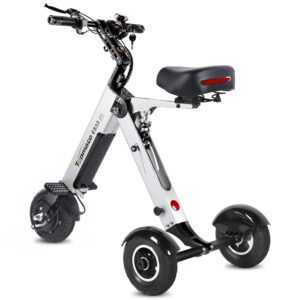
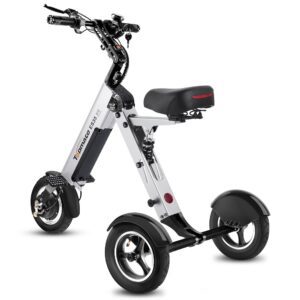
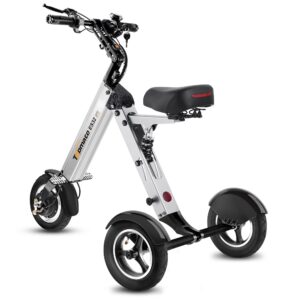
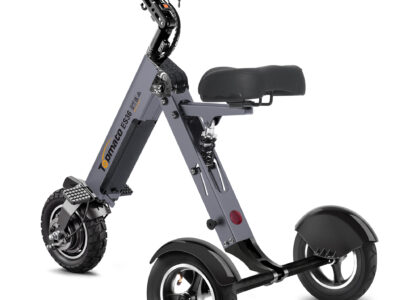
TopMate Mobility Scooter Comparison
| Feature | TopMate ES15 | TopMate ES35 |
|---|---|---|
| Battery Type | Lithium | Lithium |
| Driving Range | Up to 13 miles* | Longer range* |
| Charging Time | Approximately 4–6 hours | Approximately 5–7 hours |
| Estimated Cost per Full Charge | Very Low | Low |
| Best Use | Daily errands, shopping, travel | Longer outdoor rides and extended daily use |
*Actual driving range varies depending on rider weight, terrain, speed, weather conditions, and battery health.
Both models are designed to deliver efficient performance while keeping charging costs low for everyday use.
Real-Life Examples
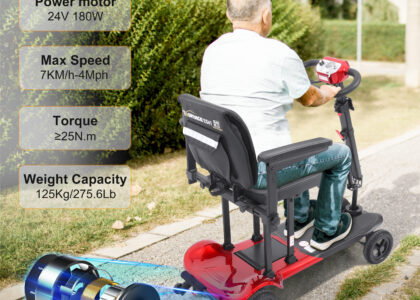
Imagine a senior who uses a mobility scooter for grocery shopping, medical appointments, and visiting friends several times each week. Even with regular charging, the annual electricity cost is likely to remain modest compared with many other household expenses.
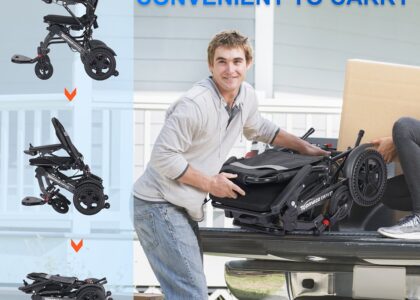
For travelers, a foldable mobility scooter can be charged overnight in a hotel room or RV park, making it a practical choice for road trips and vacations. Similarly, residents of retirement communities often charge their scooters at home without seeing a significant increase in monthly electricity bills.
These everyday situations demonstrate why charging costs are rarely a deciding factor when choosing a mobility scooter.
Tips to Reduce Charging Costs
Keeping electricity costs low is simple with a few good habits:
- Charge the battery before it becomes completely empty.
- Use only the charger recommended by the manufacturer.
- Store the scooter in a cool, dry place.
- Keep tires properly inflated to improve efficiency.
- Avoid carrying unnecessary weight.
- Plan trips to reduce repeated stop-and-go driving.
- Inspect the battery regularly for signs of wear.
Proper maintenance not only reduces charging costs but also helps extend battery life.
Which Model Fits Your Lifestyle?
Choose the TopMate ES15 if you:
- Frequently run errands around town.
- Need a lightweight, foldable mobility scooter.
- Travel by car or store the scooter in small spaces.
- Want low daily operating costs.
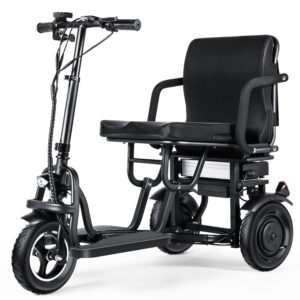
Choose the TopMate ES35 if you:
- Spend more time outdoors.
- Need a longer driving range.
- Prefer additional comfort for extended trips.
- Regularly visit parks, shopping centers, or community events.
Conclusion
So, do mobility scooters use a lot of electricity? In most cases, the answer is no. Modern mobility scooters are designed to be energy-efficient, and the cost of charging is typically only a small fraction of a household’s monthly electricity bill.
While electricity usage varies depending on battery size, riding conditions, and charging habits, most owners find that running costs are surprisingly affordable. By choosing a lithium battery model, maintaining the battery properly, and adopting efficient riding habits, you can enjoy dependable mobility without worrying about high electricity expenses.
FAQ
How much does it cost to fully charge a mobility scooter?
Most mobility scooters cost between $0.10 and $0.45 USD (or the equivalent in local currency) per full charge, depending on battery size and local electricity rates.
Do lithium mobility scooter batteries use less electricity?
Lithium batteries are more energy-efficient than lead-acid batteries. They charge faster, waste less energy, and generally last longer.
Can I leave my mobility scooter charging overnight?
Many modern chargers automatically stop charging when the battery is full. However, always follow the manufacturer’s charging instructions.
What affects a mobility scooter's electricity consumption?
Battery capacity, rider weight, terrain, temperature, tire pressure, riding style, and battery condition all influence electricity usage.