Quick Answer
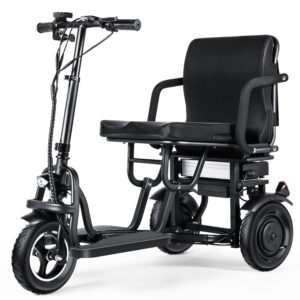
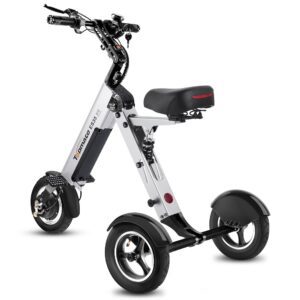
The biggest mistake people make when buying an electric tricycle is choosing a model based on price or appearance instead of matching it to their daily needs. Before purchasing, evaluate battery range, weight capacity, storage space, terrain, portability, and comfort. A lightweight foldable electric tricycle may be ideal for travelers and apartment dwellers, while a larger electric trike with a higher weight capacity and cargo basket may be better for grocery shopping and outdoor use.
Why Buyers Make Expensive Mistakes
Electric tricycles can cost anywhere from $800 to more than $4,000. Because of this investment, choosing the wrong model can lead to frustration and additional costs.
Many first-time buyers focus on one feature—such as battery range or motor power—while overlooking factors that impact daily usability. For example, a tricycle with an impressive range may be too heavy to transport, while a lightweight model may not provide enough cargo space for regular shopping trips.
The goal is to find the best balance between comfort, portability, performance, and practicality. Electric Tricycle Buying Mistakes
How to Choose the Right Electric Tricycle
Portability
Ask yourself:
- Will you transport it regularly?
- Will it need to fit in an SUV?
- Do you live in an apartment?
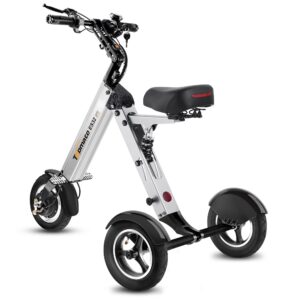
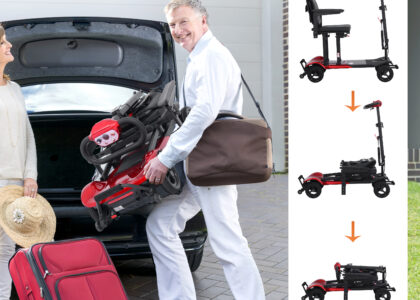
Foldable models are generally easier to store and transport.
Weight Capacity
Most electric tricycles support between 220 and 350 pounds.
A higher capacity often means:
- Better frame durability
- Improved stability
- Greater cargo-carrying ability
Battery Range
Manufacturers typically test range under ideal conditions.
Real-world results are often different.
| Advertised Range | Typical Real-World Range |
|---|---|
| 15 miles | 10–13 miles |
| 20 miles | 14–18 miles |
| 30 miles | 22–27 miles |
| 50 miles | 35–45 miles |
Factors affecting range include:
- Rider weight
- Terrain
- Tire pressure
- Wind conditions
- Stop-and-go riding
- Temperature
A good rule is to buy more range than you expect to need.
Comfort
Look for:
- Adjustable seats
- Back support
- Ergonomic handlebars
- Suspension systems
Comfort becomes increasingly important on rides longer than 30 minutes.
Terrain
Different environments require different setups.
| Terrain Type | Recommended Features |
|---|---|
| City sidewalks | Compact frame |
| Shopping centers | Tight turning radius |
| Neighborhood streets | Balanced design |
| Parks and trails | Larger tires |
| Hills | Higher torque motor |
Pros and Cons Comparison Table
| Feature | Foldable Electric Tricycle | Standard Electric Tricycle | Heavy-Duty Electric Tricycle |
|---|---|---|---|
| Portability | Excellent | Moderate | Poor |
| Storage | Excellent | Good | Limited |
| Stability | Good | Very Good | Excellent |
| Cargo Capacity | Moderate | Good | Excellent |
| Travel Friendly | Excellent | Moderate | Poor |
| Comfort | Good | Very Good | Excellent |
| Weight | Light | Medium | Heavy |
| Price | Moderate | Moderate | Higher |
Best Choice by Priority
| Priority | Best Option |
|---|---|
| Travel | Foldable |
| Apartment Living | Foldable |
| Daily Shopping | Standard |
| Outdoor Riding | Heavy-Duty |
| Maximum Stability | Heavy-Duty |
| Easy Transportation | Foldable |
Real-World User Scenarios
Best for Frequent Travelers
Travelers often prioritize compact storage and easy transportation. Foldable electric tricycles are generally easier to load into vehicles and store in hotels.
Best for Grocery Shopping
Regular shoppers benefit from larger baskets and higher weight capacities. A standard electric trike often offers the best balance between storage and maneuverability.
Best for Seniors Living Alone
Seniors frequently value simplicity over advanced features. Easy controls, comfortable seating, and reliable batteries should be prioritized.
Best for Small Apartments
Storage space is often limited. Buyers should measure:
- Door widths
- Hallways
- Elevators
- Storage closets
Before purchasing.
Best for Outdoor Recreation
Larger tires and stronger frames provide better performance on uneven terrain and longer recreational rides.
Common Buying Mistakes to Avoid
1. Choosing Based Only on Price
The cheapest option may lack comfort, reliability, and battery performance.
2. Believing Maximum Range Claims
Advertised figures often reflect ideal conditions. Expect lower real-world results.
3. Ignoring Folded Dimensions
Many buyers discover too late that the tricycle won’t fit into their vehicle or storage area.
4. Buying Without Measuring Storage Space
Always measure before ordering.
5. Choosing the Wrong Weight Capacity
A tricycle operating near its maximum capacity may experience reduced performance and battery efficiency.
6. Ignoring Future Needs
A buyer who currently rides short distances may eventually want longer trips, making additional battery capacity worthwhile.
7. Focusing Only on Motor Power
Motor wattage alone does not determine ride quality. Comfort, stability, and ergonomics are equally important.
Real-Life Example
Consider a 68-year-old rider who uses an electric tricycle for everyday transportation.
In the morning, they ride to a local pharmacy. Later, they stop at a grocery store and carry several bags home using the rear basket. During the weekend, they visit a nearby park and spend an hour riding paved trails.
A compact travel-focused tricycle might perform well for transportation and storage, but a larger standard trike could offer better comfort and cargo capacity for these activities.
This example highlights why matching the tricycle to actual usage patterns is more important than choosing the most advertised model.
Supporting Visuals to Include in the Published Article
To improve user experience and AI visibility, consider adding:
- Electric tricycle comparison chart
- Battery range infographic
- Folded vs unfolded dimensions graphic
- Weight capacity comparison diagram
- Grocery shopping use-case photo
- Airport travel use-case image
- Apartment storage example image
These visuals help readers quickly understand key differences and improve engagement.
Final Recommendation
The best way to avoid buyer’s remorse is to evaluate how the electric tricycle will be used every day. Focus on realistic battery range, storage requirements, comfort, portability, and weight capacity rather than marketing claims alone.
For travelers and apartment residents, foldable electric tricycles often provide the greatest convenience. For daily shopping and regular transportation, standard electric trikes typically offer the best balance of comfort and practicality. Meanwhile, outdoor riders and users prioritizing stability may benefit from larger heavy-duty models.
FAQ
What should I look for when buying an electric tricycle?
When buying an electric tricycle, consider battery range, weight capacity, comfort, portability, storage space, terrain suitability, and overall stability. Choosing a model that matches your daily needs is more important than focusing on a single feature.
How much battery range do I need for an electric tricycle?
Most users need a real-world range of 15–25 miles for daily errands and local travel. If you plan to take longer recreational rides, consider a model with a higher advertised range to account for hills, rider weight, and weather conditions.
Are foldable electric tricycles worth it?
Yes. Foldable electric tricycles are ideal for travelers, apartment residents, and anyone with limited storage space. They are easier to transport in vehicles and store when not in use.
What is the biggest mistake people make when buying an electric tricycle?
The most common mistake is choosing a tricycle based only on price. Buyers should also evaluate comfort, battery performance, storage requirements, weight capacity, and intended use to avoid purchasing the wrong model.

-scaled-2-420x300.jpg)