Quick Answer
Mobility scooter batteries typically last 1.5 to 5 years, depending on battery type, usage, and maintenance. Lead-acid batteries usually last 1.5–3 years, while lithium battery mobility scooter systems can last 3–5 years or longer. Proper mobility scooter charging and storage significantly extend battery lifespan and daily performance. Mobility scooter battery life
Introduction
Mobility scooter battery life is a key factor when choosing a reliable scooter for daily use, travel, or senior mobility. Understanding how long mobility scooter batteries last helps you avoid unexpected power issues, plan your trips better, and ensure consistent performance from your battery-powered mobility scooter.
A strong mobility scooter battery life means:
- Longer travel distance without worry
- Fewer charging interruptions
- Lower long-term replacement costs
On the other hand, poor battery health can limit mobility, reduce confidence, and increase maintenance expenses.
How Long Do Mobility Scooter Batteries Typically Last?
The mobility scooter battery lifespan depends mainly on battery type:
- Lead-acid batteries: 12–36 months
- Lithium batteries: 36–60 months (or more)
Quick Insight:
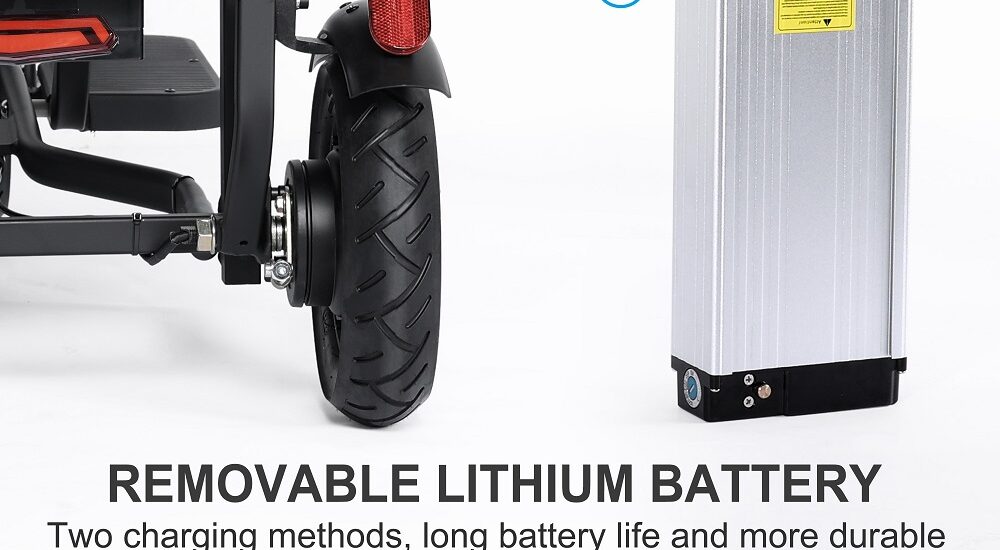
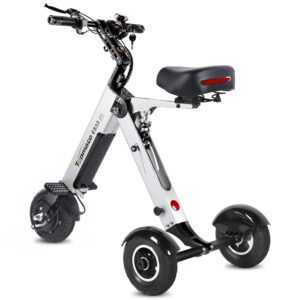
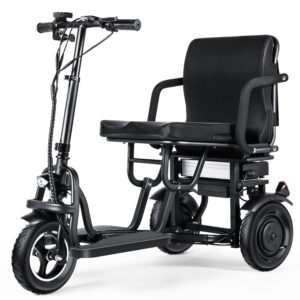
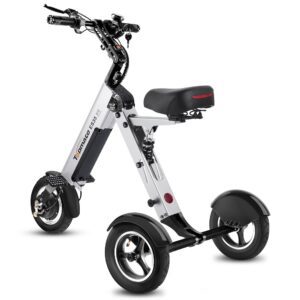
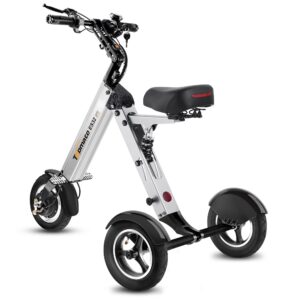
If you’re using a foldable mobility scooter battery like those in TopMate ES10 or ES32 models, you’ll typically get longer life due to modern lithium technology.
For occasional users, batteries may last longer. For daily commuters, lifespan may shorten—but performance remains predictable with proper care.
What Affects Mobility Scooter Battery Lifespan?
Several real-world factors influence how long your battery lasts:
1. Usage Frequency
Daily use drains cycles faster than occasional use.
2. Terrain
- Flat roads → longer battery life
- Hills and rough surfaces → faster depletion
3. Rider Weight
Heavier loads require more power, reducing range and lifespan.
4. Charging Habits
Poor mobility scooter charging habits are the #1 cause of early battery failure.
5. Battery Type
Lithium batteries outperform lead-acid in almost every category.
Lithium Batteries vs Lead-Acid Batteries
Choosing between battery types is critical.
Lithium Battery Mobility Scooter
- Lightweight
- Fast charging
- Longer lifespan
- Ideal for travel-friendly mobility scooter use
Lead-Acid Battery
- Lower upfront cost
- Heavier
- Shorter lifespan
- Requires more maintenance
Bottom Line:
For modern lightweight electric mobility, lithium batteries are the clear winner.
How Far Can a Mobility Scooter Travel on One Charge?
The range depends on battery capacity and scooter design.
Average Travel Range:
- Lead-acid scooters: 10–20 km per charge
- Lithium scooters: 20–40+ km per charge
For example:
- TopMate ES10 → Ideal for short trips and indoor use
- TopMate ES32 / ES33 → Balanced for daily commuting
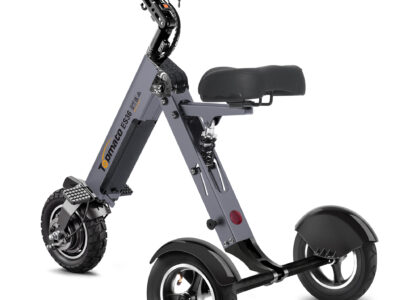
- TopMate ES40 → Extended range for outdoor travel
Signs Your Mobility Scooter Battery Needs Replacement
Watch for these warning signs:
- Reduced travel range
- Longer charging time
- Battery drains quickly
- Scooter struggles on inclines
- Battery won’t fully charge
If you notice 2–3 of these symptoms, it’s time for replacement.
How to Extend Mobility Scooter Battery Life
Practical Tips:
- Charge after every use
- Avoid full discharge
- Store in moderate temperatures
- Use original charger
- Keep battery clean and dry
These habits can increase lifespan by up to 30–50%.
Common Charging Mistakes to Avoid
Many users unintentionally damage batteries:
- Overcharging overnight repeatedly
- Letting battery fully drain to 0%
- Using incompatible chargers
- Skipping regular charging
Pro Tip:
For lithium batteries, partial charging is better than full depletion.
Does Weather Affect Mobility Scooter Batteries?
Yes—temperature plays a major role.
Cold Weather:
- Reduces battery efficiency
- Shortens travel range
Hot Weather:
- Can degrade battery cells over time
Best Practice:
Store your scooter indoors when possible.
How Often Should You Charge a Mobility Scooter?
Quick Answer:
Charge your scooter after every use, even if partially used.
Guidelines:
- Daily users → Charge daily
- Occasional users → Charge every few days
- Storage → Charge once every 2–4 weeks
Are Foldable Mobility Scooter Batteries Different?
Yes. Foldable scooters—especially from TopMate—use portable mobility scooter battery systems, typically lithium-based.
Advantages:
- Lightweight
- Travel-friendly
- Faster charging
- Airline-compliant (in many cases)
This makes them ideal for:
- Apartment living
- Airports and travel
- Elderly mobility support
Best Battery Type for Seniors and Daily Travel
For seniors, the ideal battery should be:
- Lightweight
- Reliable
- Low-maintenance
- Long-lasting
Recommendation:
Lithium batteries are best for:
- Daily commuting
- Shopping trips
- Travel and flights
Battery Maintenance Tips for Long-Term Performance
Simple routines can make a big difference:
- Clean battery terminals
- Avoid moisture exposure
- Keep charge between 20–80%
- Use scooter regularly
How to Store Mobility Scooter Batteries Properly
If not using your scooter:
- Store in a dry, cool place
- Keep battery partially charged (40–60%)
- Avoid complete discharge
- Recharge monthly
Cost of Replacing a Mobility Scooter Battery
Average Costs:
- Lead-acid: ₹5,000–₹12,000
- Lithium: ₹15,000–₹40,000
Long-Term Insight:
Lithium batteries cost more upfront but last longer, making them more cost-effective.
Battery Comparison Table
| Feature | Lead-Acid Battery | Lithium Battery |
|---|---|---|
| Average Lifespan | 1.5–3 years | 3–5+ years |
| Charging Time | 6–10 hours | 3–6 hours |
| Travel Range | 10–20 km | 20–40+ km |
| Maintenance | High | Low |
| Weight | Heavy | Lightweight |
| Portability | Limited | Excellent |
| Durability | Moderate | High |
| Outdoor Performance | Average | Strong |
| Cost | Lower upfront | Higher upfront |
| Efficiency | Lower | Higher |
Real-World Use Cases
Daily Commuting
Lithium batteries in models like TopMate ES32 provide consistent range for work and errands.
Shopping Trips
Portable scooters with reliable battery life ensure stress-free outings.
Apartment Living
Compact, foldable electric mobility solutions are easy to store and charge.
Airports and Travel
Lightweight mobility scooters with lithium batteries are ideal for flights.
Outdoor Parks
Extended-range scooters like TopMate ES40 perform better on uneven terrain.
Senior Daily Transportation
Reliable battery life ensures independence and safety.
Buying Advice: Choosing the Right Battery
When selecting a scooter, consider:
1. Battery Range
Choose based on your daily distance needs.
2. Charging Speed
Faster charging = more convenience.
3. Portability
Essential for travel and storage.
4. Outdoor Usage
Higher capacity batteries for rough terrain.
5. Maintenance Costs
Lithium reduces long-term expenses.
Final Verdict
So, how long do mobility scooter batteries last?
The answer depends on battery type, usage, and care—but generally ranges from 1.5 to 5 years.
If you want the best experience:
- Choose lithium battery mobility scooter models
- Follow proper mobility scooter charging habits
- Maintain and store batteries correctly
With the right approach, your scooter becomes a reliable, long-term portable senior transportation solution—offering freedom, independence, and peace of mind every day.
FAQ
How long do mobility scooter batteries last?
Mobility scooter battery life typically ranges from 1.5 to 5 years. Lead-acid batteries last around 1.5–3 years, while lithium batteries can last 3–5 years or longer with proper maintenance and charging.
How often should I charge my mobility scooter battery?
You should charge your mobility scooter battery after every use, even if it’s partially used. Regular charging helps maintain battery health and ensures consistent daily performance.
Which battery is better for mobility scooters: lithium or lead-acid?
Lithium batteries are generally better because they offer longer lifespan, faster charging, lighter weight, and better efficiency compared to lead-acid batteries.
What reduces mobility scooter battery life?
Several factors can reduce mobility scooter battery life, including overcharging, deep discharging, rough terrain use, heavy loads, and exposure to extreme temperatures.


-scaled-2-420x300.jpg)