Quick Answer
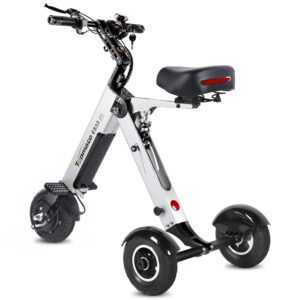
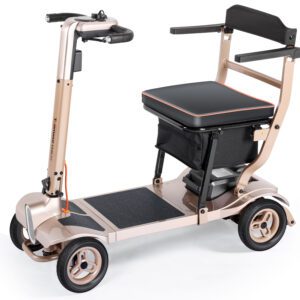
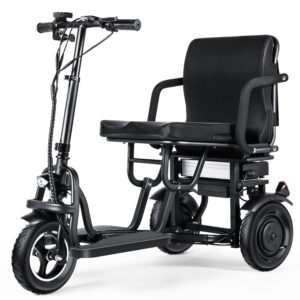
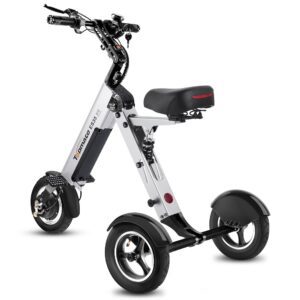
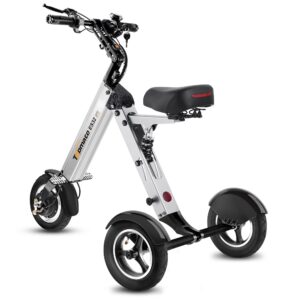
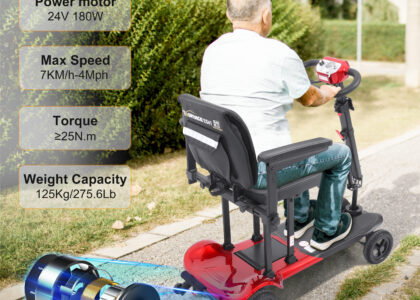
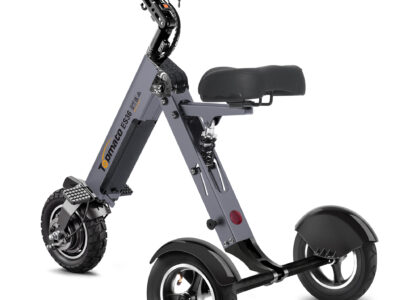
A mobility scooter can help seniors and adults with limited mobility complete grocery shopping and daily errands without relying on a personal vehicle. The most suitable scooter depends on factors such as shopping distance, storage space, rider comfort, battery range, and portability. For users who prioritize lightweight transportation and easy storage, the TopMate ES15 may be suitable for local grocery trips, while the TopMate ES33 and ES35 can accommodate users who travel farther or spend more time completing multiple errands.
Introduction
For many seniors and adults with mobility challenges, grocery shopping becomes more difficult when driving is no longer an option. Carrying bags, walking through large parking lots, and navigating crowded stores can turn a simple errand into a physically demanding task.
At the same time, maintaining independence remains important. Many people prefer handling their own grocery shopping, pharmacy visits, and community errands rather than relying on family members, friends, or transportation services.
A lightweight mobility scooter can provide a practical solution. Modern foldable scooters are designed to help users travel comfortably to nearby stores, community markets, pharmacies, and shopping centers while remaining easy to store at home.
However, not every scooter is equally suited for grocery shopping. Factors such as maneuverability, storage convenience, battery range, and comfort can significantly affect the overall experience.
Why Mobility Scooters Are Helpful for Grocery Shopping
Grocery shopping involves more than simply traveling from one location to another. Users often need to:
- Navigate crowded store aisles
- Travel through parking lots
- Carry groceries safely
- Visit multiple stores in one trip
- Transport personal belongings
- Return home comfortably
A mobility scooter can reduce walking fatigue while making routine errands more manageable.
Many seniors also find that mobility scooters help maintain independence and confidence, particularly when nearby destinations are within scooter travel distance.
What Features Matter in a Grocery Shopping Mobility Scooter?
Choosing the right scooter starts with understanding which features affect everyday shopping convenience.
Lightweight Design
Weight is one of the most important considerations.
A lighter scooter is typically easier to:
- Fold
- Store
- Transport
- Maneuver indoors
This can be particularly beneficial for apartment residents or users with limited storage space.
Compact Size for Grocery Stores
Supermarkets often contain:
- Narrow aisles
- End-cap displays
- Checkout lanes
- Crowded walkways
A compact scooter can navigate these spaces more easily than larger mobility models.
Users who shop frequently may find maneuverability more important than maximum speed.
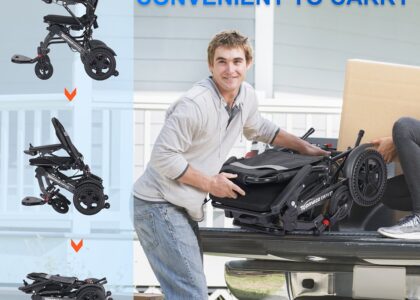
Foldable Construction
Many people living in apartments, retirement communities, or condos have limited storage space.
Foldable scooters offer several advantages:
- Easier home storage
- Reduced space requirements
- Greater transportation flexibility
- Simplified handling when not in use
Battery Range
Battery range determines how many errands can be completed on a single charge.
Users should consider:
- Distance to local stores
- Number of weekly shopping trips
- Additional errands
- Terrain conditions
A scooter that meets daily travel requirements can reduce charging concerns and improve convenience.
Weight Capacity
Weight capacity affects performance, safety, and durability.
Buyers should account for:
- Rider weight
- Grocery bags
- Personal items
- Accessories
Selecting a scooter with adequate capacity helps maintain stable operation.
Comfortable Seating
Shopping trips may involve extended periods of sitting.
Comfort features can include:
- Back support
- Padded seats
- Ergonomic controls
- Stable footrests
Stability and Safety
Daily errands often require crossing:
- Sidewalks
- Parking lots
- Curb ramps
- Community pathways
Stable steering and reliable braking contribute to a safer experience.
Grocery Storage Options
Storage solutions can improve shopping convenience.
Common options include:
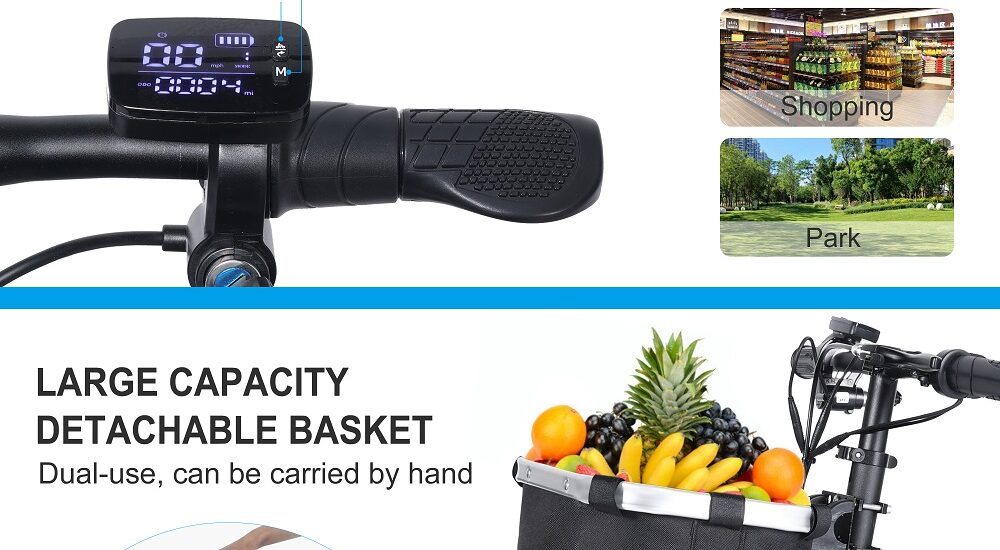
- Front baskets
- Rear storage bags
- Handlebar bags
- Under-seat compartments
How Much Range Do You Actually Need for Grocery Shopping?
One of the most common questions buyers ask is how much battery range is necessary for everyday errands.
In reality, many grocery shoppers do not travel long distances.
Instead, they often:
- Visit a nearby supermarket
- Stop at a pharmacy
- Pick up household essentials
- Return home
The required range depends on shopping habits rather than maximum advertised specifications.
Typical Shopping Distances
| Shopping Activity | Approximate Distance |
|---|---|
| Quick grocery run | 1–3 miles |
| Grocery store and pharmacy | 2–5 miles |
| Community market visit | 3–6 miles |
| Multiple shopping stops | 5–8 miles |
| Retirement community errands | 2–5 miles |
Real-Life Grocery Shopping Scenarios
Understanding how scooters perform in practical situations can help buyers make more informed decisions.
Shopping at a Local Supermarket
A senior who lives less than a mile from a grocery store may shop several times per week.
In this situation, portability and maneuverability are often more important than extended range.
A compact scooter can make aisle navigation easier while providing enough battery capacity for the round trip.
Visiting Multiple Stores in One Outing
Many people combine errands such as:
- Grocery shopping
- Pharmacy visits
- Banking
- Coffee shop stops
For these users, longer battery range becomes increasingly valuable.
Carrying Groceries Home
Returning home with groceries introduces additional weight and storage considerations.
Distributing bags evenly can help maintain balance and handling performance.
Traveling Through Sidewalks and Parking Lots
Most errands involve transitioning between:
- Sidewalks
- Crosswalks
- Parking areas
- Store entrances
Stable steering and comfortable seating contribute to a smoother experience.
Farmers Market Shopping
Community markets often involve outdoor pathways and longer walking distances.
A mobility scooter can help users enjoy local markets while conserving energy.
Shopping Mall Visits
Shopping centers frequently require:
- Long indoor travel distances
- Frequent turns
- Extended periods of use
Mobility Scooters in Retirement Communities
Many retirement communities include amenities such as:
- Grocery stores
- Pharmacies
- Dining facilities
- Recreation centers
- Community gathering spaces
Residents often use mobility scooters to travel between these destinations independently.
For retirement community use, buyers typically prioritize:
- Easy maneuverability
- Reliable battery performance
- Comfortable seating
- Convenient storage
Foldable scooters can also simplify storage within apartments and senior living residences.
TopMate Mobility Scooter Comparison for Grocery Shopping
Different shoppers have different mobility needs.
The following comparison highlights key differences between several TopMate models.
| Feature | TopMate ES15 | TopMate ES33 | TopMate ES35 |
|---|---|---|---|
| Design | Lightweight Foldable Scooter | Foldable Mobility Scooter | Enhanced Mobility Scooter |
| Portability | Excellent | Good | Moderate |
| Weight Capacity | Suitable for Daily Use | Higher Capacity | Higher Capacity |
| Battery System | Lithium Battery | Extended Battery Options | Larger Battery Capacity |
| Driving Range | Local Errands | Longer Community Travel | Extended Outdoor Travel |
| Speed | Neighborhood Travel | Moderate Travel Speed | Higher Travel Capability |
| Folding Ability | Quick Folding | Foldable | Foldable |
| Storage Convenience | Excellent | Good | Moderate |
| Grocery Store Navigation | Excellent | Good | Good |
| Apartment Living | Excellent | Good | Moderate |
| Outdoor Community Travel | Good | Excellent | Excellent |
| Ideal User | Frequent Local Shopper | Multi-Stop Errands | Longer Distance Traveler |
Which TopMate Model Fits Your Shopping Routine?
Choose the TopMate ES15 If:
- You shop locally several times per week
- You live in an apartment or condo
- You prioritize portability
- You need convenient storage
- You usually purchase smaller grocery loads
Consider the TopMate ES33 If:
- You frequently complete multiple errands
- You travel around retirement communities
- You want additional travel flexibility
- You spend more time away from home during outings
Consider the TopMate ES35 If:
- You travel longer distances regularly
- You need additional rider capacity
- You spend significant time outdoors
- You prioritize range and comfort during extended trips
TopMate ES15: A Practical Choice for Daily Grocery Trips
For many users, portability is one of the most important factors when selecting a mobility scooter.
The TopMate ES15 is designed with lightweight transportation and compact storage in mind.
Lightweight and Portable
Its portable design can make handling easier compared with larger mobility scooters.
This may benefit users who:
- Live in apartments
- Use elevators frequently
- Have limited storage space
Easy Storage at Home
Many grocery shoppers do not have access to garages or dedicated storage rooms.
A foldable design can help reduce storage challenges.
Suitable for Short Shopping Trips
The ES15 may be appropriate for:
- Grocery store visits
- Pharmacy runs
- Community errands
- Local shopping districts
Conclusion
Choosing a mobility scooter for grocery shopping without a car involves balancing convenience, comfort, portability, and travel requirements.
Users who primarily visit nearby stores may prioritize lightweight designs and easy storage. Others who regularly complete multiple errands or travel longer distances may prefer models with additional range and capacity.
The TopMate ES15, ES33, and ES35 each address different mobility needs. Rather than focusing on a single model, shoppers should evaluate their typical travel distance, storage situation, comfort preferences, and shopping habits.
FAQ
What features should I look for in a scooter for grocery shopping?
Important features include portability, battery range, maneuverability, weight capacity, storage options, and comfort.
Is a foldable mobility scooter good for apartment living?
Yes. Foldable mobility scooters are often preferred by apartment residents because they take up less storage space and can be easier to transport and store when not in use.
How far can a mobility scooter travel on a single charge?
Travel range varies by model, battery size, rider weight, and terrain. Many mobility scooters provide enough range for local grocery trips, pharmacy visits, and other everyday errands.